


BY GCWALISILE MHLABANE
MATSAPHA– Long before a storm destroys crops, floods a community or disrupts transport, satellites orbiting high above the Earth can provide the warning signs.
The challenge for Africa is making sure that information reaches the people who need it farmers, disaster management teams, governments and communities early enough to make a difference.
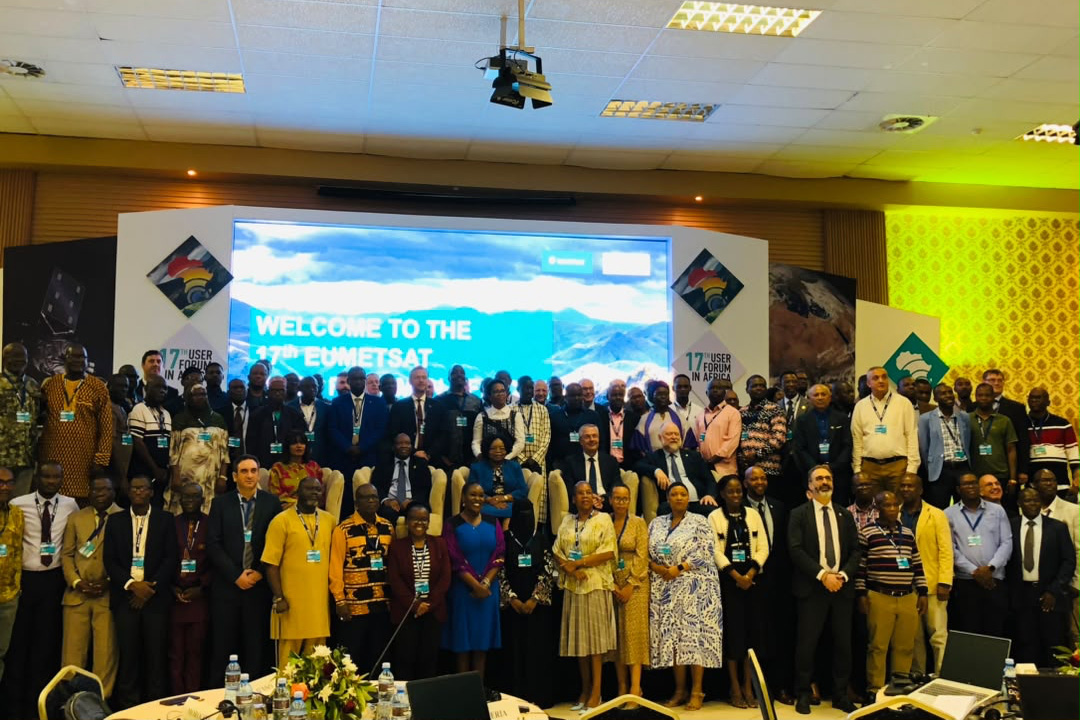
That challenge has brought representatives from 46 African countries to Eswatini for the 17th EUMETSAT User Forum, a five-day gathering focused on strengthening the continent’s ability to predict dangerous weather, monitor climate change and respond faster to natural disasters.
The forum, being held at Esibayeni Lodge in Matsapha from October 5 to 9, 2026, has attracted policymakers, meteorological experts and other stakeholders working to turn sophisticated satellite information into practical tools that can protect lives and livelihoods.

At the centre of discussions is a simple but increasingly urgent question: how can Africa use technology in space to better prepare people on the ground?
The forum is examining next-generation satellite data, improved early warning systems, disaster preparedness, agriculture and environmental protection.
For a farmer deciding when to plant, reliable weather information can mean the difference between a successful harvest and serious losses. For emergency services, an accurate warning can provide precious time to prepare communities before floods, storms or other weather-related disasters strike.
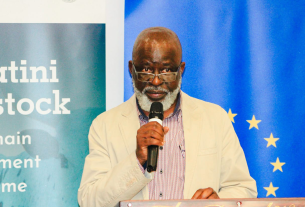
African Union Commissioner for Agriculture, Rural Development, Blue Economy and Sustainable Environment Moses Vilakati said strengthening satellite systems and improving access to data had become increasingly important for the continent.
“We need to improve our satellite systems and access to satellite data so that we can detect weather patterns better and monitor our changing climate more effectively,” Vilakati said during the opening ceremony.
He said better access to modern space-based information could significantly strengthen Africa’s early warning systems, particularly in sectors that remain highly vulnerable to changing weather conditions.
“Early warning is critical for agriculture, disaster management and environmental protection. The more accurate and timely the information is, the better prepared our countries can be,” he said.
The forum is also focusing on the development of satellite products that respond directly to the needs of users, while strengthening technical skills and cooperation among national meteorological and hydrological services.
Minister of Tourism and Environmental Affairs Jane Mkhonta-Simelane said international cooperation remained critical in ensuring that African countries had access to the technology and information needed to respond effectively to climate-related challenges.
“This trilateral partnership brings together the global oversight of the WMO, the cutting-edge space capabilities of EUMETSAT and the local dedication of our National Meteorological and Hydrological Services,” she said.
Mkhonta-Simelane stressed that weather and satellite information should remain accessible because of the role it plays in protecting communities.
“Operating under a non-commercial public service ethos ensures that atmospheric and satellite data remain a global public good, vital for saving lives and building regional resilience,” she said.
EUMETSAT Director-General Phil Evans also pledged continued support for African countries through advanced satellite technology, training and access to information.
“We are working tirelessly to ensure that African nations have full access to cutting-edge satellite technology and data,” Evans said.
He said the organisation wanted meteorological services across the continent to have the tools and knowledge necessary to produce better forecasts, issue earlier warnings and monitor long-term climate patterns.
“Our commitment is to support local meteorological services with user-centred solutions, training and access to the data they need to protect communities and build long-term sustainability,” he said.
Beyond the technical discussions, the presence of representatives from 46 countries is also creating an immediate economic opportunity for Eswatini.
Delegates attending the five-day forum require accommodation, transport, meals, conference facilities and other services, giving the hospitality and tourism sectors an opportunity to benefit from the international gathering.
Hotels, restaurants, transport operators, tour companies and conference service providers are among the businesses positioned to benefit from the increased activity generated by the event.
Local businesses also have an opportunity to showcase Eswatini’s products, services and hospitality to visitors from across Africa.
For the tourism industry, the forum offers more than short-term spending.
Hosting a major continental event places Eswatini before an international audience and can strengthen the country’s reputation as a destination capable of accommodating conferences, business gatherings and other high-level events.
Some delegates may also return in future as tourists, investors or participants in other international meetings.
For Eswatini, the gathering therefore carries two potential dividends stronger climate resilience and increased economic activity.
The forum is taking place at a time when reliable weather information is becoming increasingly important for food production, disaster preparedness, environmental management and protection of livelihoods.
One of the major goals of the meeting is to close the gap between complex satellite observations and the simple, useful information required by people making everyday decisions.
That includes the farmer wanting to know when rain is likely to fall, the emergency planner preparing for flooding and the environmental authority monitoring changes in weather and climate conditions.
As discussions continue until October 9, delegates are expected to explore ways of ensuring that the latest advances in satellite technology do not remain confined to computer screens and scientific institutions.
The real test will be whether that technology can translate into earlier warnings, better decisions and safer communities across Africa.
For Eswatini, hosting 46 countries also sends another message: the Kingdom is increasingly positioning itself as a meeting point for regional cooperation, technology, tourism and international dialogue.