


BY THEMBA ZWANE
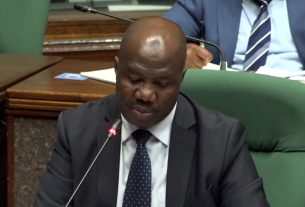
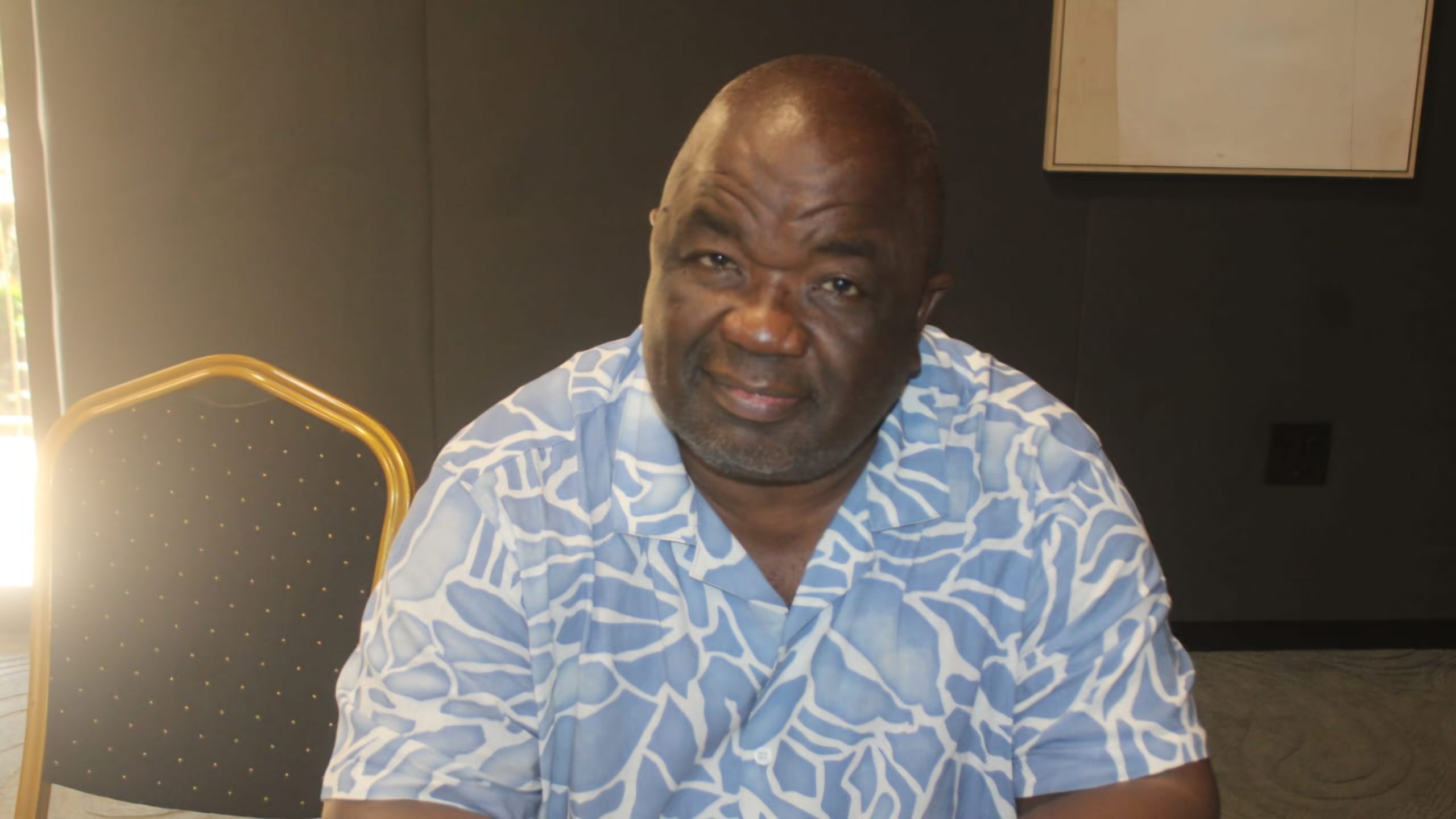
EZULWINI – Minister of Education and Training Owen ‘Handsome’ Nxumalo has defended the proposed inclusion of a King’s appointee and an official from the Attorney General’s (AG) office on the soon-to-be-established Sebenta National Institute Board of Directors.
Nxumalo made the submission during deliberations on the proposed Sebenta National Institute Bill, 2026, which seeks to strengthen the institution’s legal status, governance and mandate, including the regulation of non-formal education institutions.
The minister disclosed that Sebenta National Institute would be given powers to regulate non-formal education institutions, a development that could strengthen oversight of alternative education provision in the Kingdom.
The deliberations also focused on the composition of the institution’s proposed Board of Directors, with some senators questioning the importance of including a King’s appointee and an official from the AG’s office, arguing that the board was primarily a working board.

However, Nxumalo urged senators to consider the matter beyond his position as a Cabinet minister, explaining that the inclusion of a King’s appointee on institutional boards was not a new practice in Eswatini.
“Please consider me just as a colleague making submission and not as a minister at this point. The issue of a King’s appointee is not new in Eswatini,” he said.
Nxumalo cited the Public Service Pensions Fund (PSPF) and the Eswatini Revenue Service (ERS) as examples of institutions whose boards include a King’s appointee.
He explained that the appointment depended on the King’s decision regarding when to delegate a representative to join the board.
“It is just that it is always upon the King in when he delegate the appointee and we cannot be under pressure on when they will join board members,” Nxumalo said.
The minister’s submission sought to demonstrate that the proposed representation on the Sebenta National Institute Board was consistent with practices in other public institutions.
During the deliberations, another senator suggested that the title ‘King’s liaison officer’, commonly used in reference to the King’s representative on other institutional boards, should also be adopted for the Sebenta National Institute Board.
The suggestion raised the question of the appropriate designation for the King’s representative on the proposed board.
BILL SEEKS TO STRENGTHEN SEBENTA
The proposed Sebenta National Institute Bill, 2026, seeks to place the institution on a firm statutory footing after more than six decades of providing adult literacy, alternative education and vocational skills training.
According to previously published reports, Education and Training Minister Owen Nxumalo explained that the legislation would establish Sebenta as a statutory body corporate with legal personality, enabling it to hold property, enter into contracts and manage its affairs independently within the applicable legal and policy framework.
The need for the legislation has also been highlighted by concerns over immovable property registered in the names of members of Sebenta’s Board of Trustees, some of whom are deceased.
The proposed law seeks to address such governance challenges by establishing a modern Board of Directors with clearly defined powers, responsibilities and accountability obligations.
It also provides for stronger financial management, auditing, reporting and ministerial oversight, while allowing the institution operational independence in delivering its educational programmes.
Another key objective is to create opportunities for people who acquired knowledge and competencies outside the conventional school system to have their learning assessed, validated and recognised for certification, further education and career progression.
This is particularly important for adults, out-of-school youth and other learners who have acquired skills through practical experience, community-based learning or alternative education pathways.
Sebenta National Institute currently provides basic literacy and numeracy, non-formal education and vocational skills training to out-of-school children, young people and adults across the country.
The proposed legislation is therefore intended to strengthen the institution’s capacity to deliver its mandate, expand educational opportunities and improve the recognition of skills acquired outside the formal education system.
The deliberations on the Bill form part of the legislative process to determine the institution’s future governance structure, responsibilities and regulatory role in Eswatini’s education sector.
#Eswatini #SebentaNationalInstitute #SebentaBill2026 #OwenNxumalo #HandsomeNxumalo #Education #NonFormalEducation #Parliament #SkillsDevelopment #LifelongLearning #Government