



BY SIFISO NHLABATSI
MBABANE – Eswatini has identified job creation, improved access to water and sanitation, and digital transformation as three strategic priorities for its US$84.2 million (about E1.5 billion) allocation under the World Bank’s International Development Association (IDA) 21 financing framework.
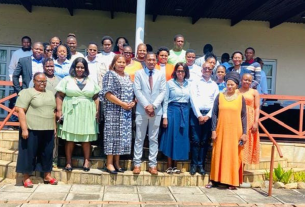
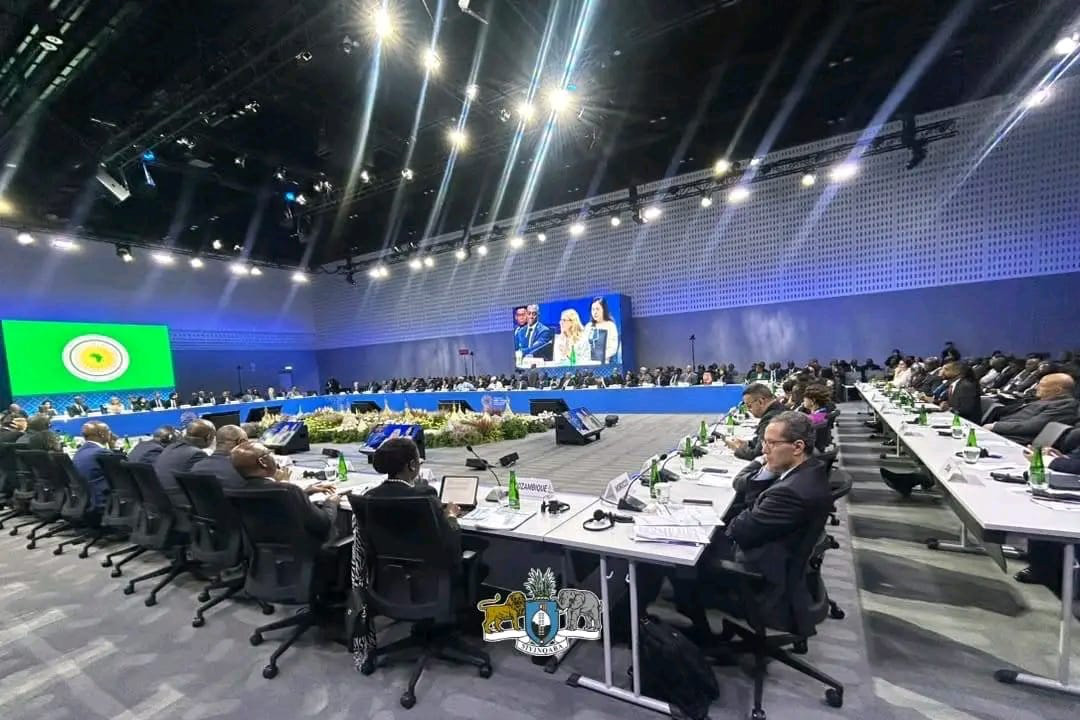
Minister of Economic Planning and Development Dr Tambo Gina outlined the priorities during a bilateral meeting with World Bank Executive Director for Constituency 14, Africa Group 1, Dr Zarau Wendeline Kibwe, held on the sidelines of the 2026 World Bank and International Monetary Fund (IMF) Annual Meetings on Wednesday, October 14, 2026.
The meeting aimed to provide an update on World Bank support for projects in Eswatini and discuss the activities of the constituency.
According to the minister, government intends to maximise the impact of the US$84.2 million allocation through three strategic interventions: Digital Eswatini, Water Supply and Sanitation, and Jobs 4 All Eswatini.
Digital Eswatini has received an allocation of US$15 million, which has unlocked an additional US$4.7 million, bringing the total IDA financing for the project to US$19.7 million.
The minister said government was advancing the remaining national approval requirements to facilitate the start of implementation.
Under the Water Supply and Sanitation intervention, government has proposed allocating US$29.2 million to expand access to safe water and sanitation, particularly in rural areas.
Meanwhile, the Jobs 4 All Eswatini initiative is expected to receive US$40 million from IDA21 and a proposed US$10 million from the International Bank for Reconstruction and Development (IBRD).
The programme is intended to promote private sector-led job creation, improve the business environment, expand access to finance for micro, small and medium enterprises (MSMEs), and facilitate trade and investment.
Agribusiness is expected to be prioritised as an initial intervention because of its potential to create employment, increase exports and strengthen rural livelihoods.
Dr Gina reaffirmed Eswatini’s commitment to its partnership with the World Bank, noting that the institution’s contribution extended beyond financing to technical expertise, policy advice and institutional support.
He said the economy had demonstrated resilience despite a challenging global environment, with positive growth expected in the short to medium term, supported by infrastructure investment and economic reforms.
However, he identified geopolitical tensions, global market volatility, energy prices and climate-related shocks as significant risks to the country’s economic outlook.
The minister also welcomed continued World Bank support in debt management, domestic revenue mobilisation, cash-flow management, arrears reduction and public wage-bill management.
On project implementation, Dr Gina acknowledged delays affecting some initiatives, including ASCENT and the Basic Education project.
He said government was strengthening coordination between ministries, expediting procurement, addressing implementation bottlenecks and enhancing project oversight to improve performance and accelerate disbursements.
He emphasised that the country’s priority was to move from commitments and approvals to faster implementation and tangible results for emaSwati.
The minister also expressed appreciation to Dr Kibwe for her representation and advocacy of Eswatini’s interests at the World Bank Group Board, wishing her success as she prepares to leave her position.
#Eswatini #WorldBank #IMFAnnualMeetings2026 #EconomicDevelopment #DigitalEswatini #Jobs4AllEswatini #WaterAndSanitation
(Courtesy Pic)