


BY SIFISO NHLABATSI
EZULWINI– The Coordinating Assembly of Non-Governmental Organisations (CANGO) reached 94% of its target for HIV-prevention interventions among adolescent girls and young women during the 2025/2026 financial year, but the distribution of pre-exposure prophylaxis (PrEP) products fell significantly short of expectations amid funding cuts and national stock-outs.
According to CANGO’s 2025/2026 Annual Report, 9 142 adolescent girls and young women received the HIV-prevention package against a target of 9 769. However, only 643 received at least one PrEP product, representing 31% of the target, while the programme distributed 6 644 HIV self-test kits against a target of 24 227, achieving 27%.
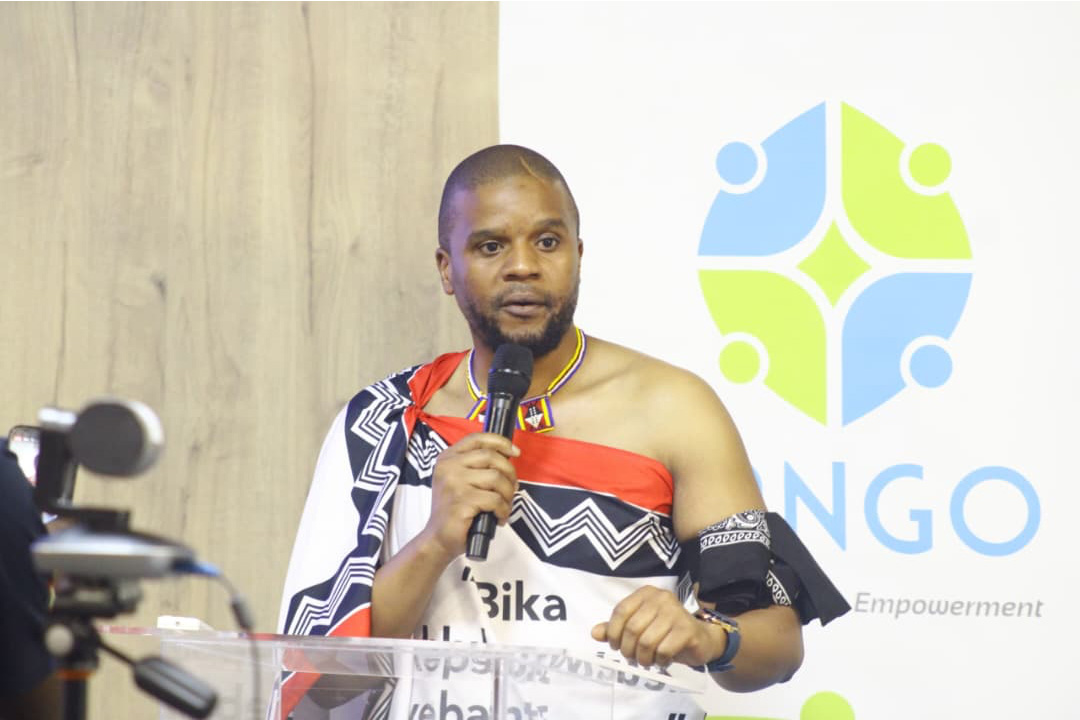
The findings are contained in the report covering April 2025 to March 2026, presented as CANGO held its 39th Annual General Meeting (AGM) at Happy Valley in Ezulwini on Thursday. Members are reviewing organisational performance and discussing the 2026–2030 Strategic Plan under the theme “Investing in the Catalyst: Nurturing the Human Heart of NGO Impact.”
The report identifies reduced grant funding and national stock-outs of PrEP and HIV self-test kits as major challenges that affected the delivery of HIV-prevention services during the reporting period.

According to the report, the Global Fund’s GC7 grant allocation was reduced from US$10.36 million (about E171 million) to US$8 million (about E132 million) following reprioritisation in October 2025. This placed additional pressure on CANGO and its implementing partners to maintain essential services while adjusting programme activities to the revised budget.
CANGO Chairperson Sisekelo Nzima said the year had required difficult decisions as funding contracted while community needs persisted.
“The reprioritisation of the Global Fund grant reinforced the importance of oversight that connects expenditure with programme performance and continuity of essential services,” Nzima said.
The report further states that the United States Government’s January 2025 Stop Work Order disrupted national HIV programmes and mobile clinic services.
The withdrawal of United States Agency for International Development (USAID) funding also reduced the capacity of some CANGO member organisations to serve their constituents, with several organisations closing.
These developments presented challenges for civil society organisations involved in supporting vulnerable communities, particularly those whose programmes depend on external funding.
Although CANGO and its implementing partners reached most of their target for the broader HIV-prevention package, the lower achievement rates for PrEP and HIV self-test kits highlighted difficulties in ensuring access to specific prevention commodities.
The report attributes interruptions in access to national stock-outs of PrEP and HIV self-test kits.
In response, CANGO reported integrating services across programmes, strengthening data management and introducing HIV self-test kit orders into clinics’ routine facility orders.
The organisation also continued supporting adolescents living with HIV through its implementing partners. By December 2025, 513 adolescents were actively enrolled across 19 facilities.
Meanwhile, CANGO worked with the Ministry of Health on preparations for long-acting lenacapavir (LEN) PrEP. The work included quantification, developing guidelines and creating demand for the product.
According to the report, Eswatini received lenacapavir in November 2025, with rollout beginning in December at Hhukwini Clinic in the Hhohho Region.
Beyond HIV prevention, CANGO continued working on governance, access to information, gender equality, disability inclusion and other human rights issues.
Executive Director Thembinkosi Dlamini said engagement on these matters needed to remain connected to people’s everyday experiences of public services.
“Engagement on governance, access to information, gender equality and disability inclusion must remain connected to people’s experience of public services,” Dlamini said in his message in the annual report.
He said community campaigns, digital communication and stakeholder engagement remained important in promoting human rights, HIV prevention and awareness of gender-based violence.
CANGO also coordinated a joint civil society submission for Eswatini’s fourth Universal Periodic Review (UPR), which was filed by the end of March 2026.
The submission covered governance and civic space, corruption, access to information, and economic, social and cultural rights.
Dlamini said the priority was to sustain engagement around civil society recommendations and follow them through the review and national implementation processes.
He emphasised that participation in international forums should translate into meaningful engagement with communities affected by decisions on public services.
The organisation also worked with the People Living with HIV Network and the National Emergency Response Council on HIV and AIDS (NERCHA) to assess support groups and prepare income-generating activities.
Thirteen support groups across Eswatini’s four regions were recommended for livelihoods support. Proposed activities included poultry farming, vegetable production, hiring out tents and chairs, and making clothing and traditional regalia.
CANGO said the next step was to ensure the initiatives were implemented and their benefits assessed.
As members review the organisation’s performance at the 39th AGM, CANGO has identified sustainable funding, evidence-based programming, collective advocacy, strategic partnerships and stronger organisational capacity as priorities for the 2026–2030 strategic period.
Nzima said the organisation needed to respond to the challenging operating environment through careful prioritisation, a broader funding base and practical support for member organisations.
He added that the new strategic plan provided an opportunity to clarify CANGO’s purpose and strengthen the value it offers members.
Dlamini acknowledged that some commitments remained unfinished, including improvements to digital coordination systems and stronger follow-up with member organisations.
He said success should ultimately be measured through better organisational practices, more responsive services and evidence of benefits to communities.
The AGM provided members with an opportunity to assess CANGO’s performance and consider how the organisation can strengthen civil society’s contribution to service delivery despite financial constraints.
#CANGO #CANGO39thAGM #HIVPrevention #PrEP #HIVSelfTesting #HumanRights #CivilSociety #NGOImpactInEswatini #EswatiniPositiveNews