


- UNESCO calls for reliable information to guide education policies, improve resource allocation and ensure no learner is left behind.
BY NELIWE NGUBANE
EZULWINI – Education data is only as powerful as the decisions it informs, and without proper analysis and action, even the most detailed statistics risk failing the learners they are meant to serve.
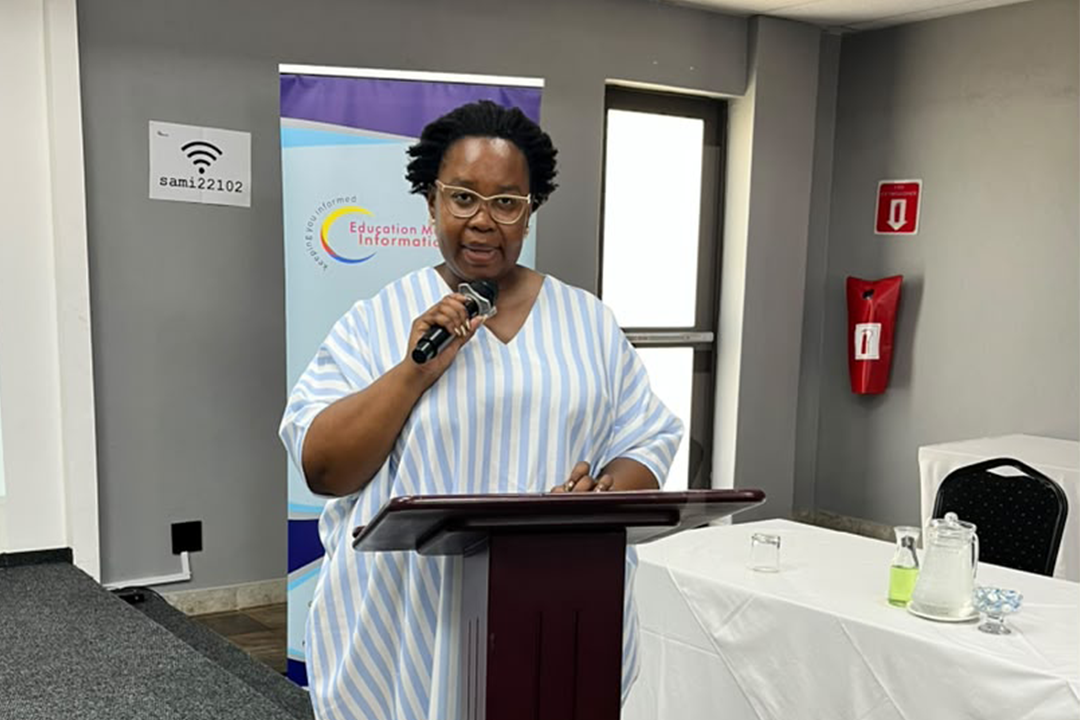
This was the message from UNESCO representative Mandisa Zwane during the ongoing Eswatini Education Management Information System (EMIS) Data Use Workshop at Sibane Sami Hotel on Thursday, where she called for stronger use of reliable education data to improve learning outcomes and ensure equitable access to quality education.
Zwane emphasised that education information systems should go beyond storing statistics and instead provide practical insights to guide policymakers, education planners and school leaders in addressing challenges affecting learners.
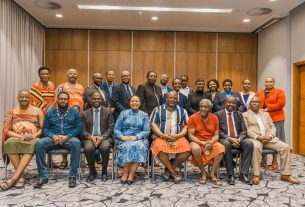
The workshop, held from 15 to 16 October 2026, brings together government representatives, education officials and development partners to strengthen the use of education data in planning, budgeting and monitoring.

Speaking on behalf of UNESCO, Zwane said accurate and timely information was essential for identifying gaps in the education system, allocating resources efficiently, monitoring progress and strengthening accountability.
She stressed that collecting information was only the beginning, with its true value emerging when it was analysed, interpreted and used to influence meaningful action.
Her remarks highlight the importance of ensuring that education statistics do not remain confined to reports but actively shape policies and interventions that respond to the needs of learners across the country.
Zwane noted that policymakers, planners, school leaders and development partners require reliable information to make informed decisions on access to education, equity, quality and learning outcomes.
Without effective data use, gaps in educational provision may remain unidentified, resources may not reach the areas where they are most needed, and progress towards national and international education targets may be difficult to measure.
She said the workshop provided an opportunity for participants to strengthen their skills in data analysis, interpretation, visualisation and utilisation.
It also offers a platform for stakeholders to exchange experiences, discuss challenges and identify practical ways to improve the use of education information within their respective institutions.
By strengthening these skills, participants can better understand what the available data reveals, identify limitations and communicate findings in ways that support sound decision-making.
Zwane linked effective education data use to Sustainable Development Goal 4 (SDG 4), which seeks to ensure inclusive and equitable quality education and promote lifelong learning opportunities for all.
She highlighted the need for accurate information to support decisions that address disparities in educational access and quality, particularly where gaps may prevent some learners from benefiting equally from available opportunities.
For Eswatini, improved use of EMIS data can help education stakeholders identify priority needs, monitor progress and make better-informed choices about resources and interventions.
Zwane reaffirmed UNESCO’s commitment to supporting member states in developing robust education information systems and strengthening national capacity for evidence-based decision-making.
She said the organisation continues to support these efforts through partnerships, technical assistance and capacity development initiatives aimed at improving education planning and learning outcomes.
She encouraged workshop participants to contribute actively to discussions, share their experiences and explore innovative approaches to using education data.
Zwane concluded by urging stakeholders to use the gathering not only to strengthen their technical knowledge but also to renew their commitment to ensuring that information informs policies and actions that improve education for all.
Her message was clear: collecting education data matters, but using it to make a difference in learners’ lives matters even more.
#EswatiniPositiveNews #UNESCO #Education #EMIS #DataDrivenDecisions #EducationForAll #SDG4 #EvidenceBasedPlanning