


BY GCWALISILE MHLABANE
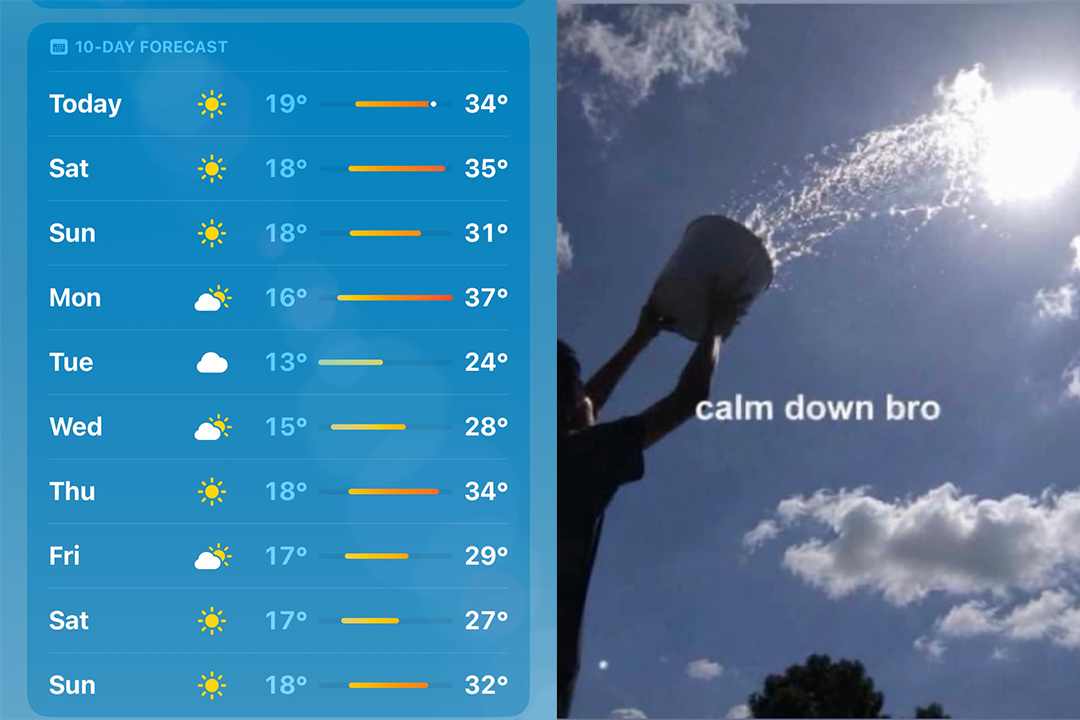
MANZINI – With temperatures climbing above 38 degrees Celsius in parts of Eswatini, residents are being urged to protect themselves from dehydration, heat exhaustion and potentially life-threatening heatstroke.
The high temperatures pose particular risks to children, elderly people and outdoor workers, making it important for families and communities to take practical steps to safeguard their health.
STAY HYDRATED AND PROTECT YOUR SKIN
Residents should drink water regularly throughout the day, especially when working outdoors, travelling or engaging in physical activities. Carrying a water bottle helps people stay hydrated while away from home.

Wearing light, loose-fitting clothing and a wide-brimmed hat can help reduce exposure to direct sunlight. Residents should also use umbrellas when walking outdoors and apply broad-spectrum sunscreen with a sun protection factor (SPF) of at least 30 to exposed skin. Reapply sunscreen every two hours and after swimming or heavy sweating.
These measures help protect the skin from harmful ultraviolet rays, but residents should also seek shade and limit prolonged exposure to direct sunlight.
PLAN ACTIVITIES AROUND THE HEAT
Residents can reduce their exposure to extreme temperatures by scheduling strenuous activities, including gardening, construction work and outdoor exercise, for the early morning or late afternoon.
Outdoor workers should take regular breaks in shaded or cool areas and drink water throughout their shifts. Employers can support them by providing drinking water and allowing sufficient rest during particularly hot conditions.
At home, families can close curtains or blinds to block direct sunlight and maintain ventilation when outdoor conditions allow. Parents should encourage children to take breaks during outdoor play, while families should check on elderly relatives who may need assistance during periods of extreme heat.
Children and pets must never be left inside parked vehicles, where temperatures can rise dangerously within a short time.
RECOGNISE HEAT-RELATED ILLNESS
Headaches, dizziness, nausea, muscle cramps, heavy sweating and unusual weakness may indicate heat exhaustion. Anyone experiencing these symptoms should stop physical activity, move to a cool place and begin cooling their body with wet cloths or cool water.
Give the person water only if they are fully conscious and can swallow safely. If symptoms worsen or fail to improve promptly, seek medical assistance.
Heatstroke is a life-threatening medical emergency. Confusion, seizures, collapse or loss of consciousness require immediate emergency medical assistance.
While waiting for help, move the person to a cooler area, wet their skin with cool water and fan them to accelerate cooling. Apply cold, wet cloths or wrapped ice packs to the neck, armpits and groin. Do not give fluids to anyone who is confused or unconscious. Stay with the person and follow the emergency operator’s instructions.
Residents should also follow official weather forecasts and public health advisories for updates on changing conditions and heat-related warnings.
SIMPLE PRECAUTIONS CAN HELP SAVE LIVES
Although temperatures exceeding 38 degrees Celsius can increase health risks, residents can take practical steps to protect themselves and their families.
Drinking water, applying sunscreen, wearing protective clothing and planning outdoor activities carefully can help emaSwati manage the hot weather more safely. Recognising the warning signs of heat-related illness and responding quickly can also prevent serious complications.
Through awareness and preparation, communities can reduce preventable health risks while continuing their daily activities.
#Eswatini #BeatTheHeat #StayHydrated #SunProtection #HeatSafety #PublicHealth