


BY NOXOLO DLAMINI
PIGG’S PEAK – People seeking election to Parliament should undergo thorough background checks to establish whether they have criminal records and meet the legal requirements for public office.
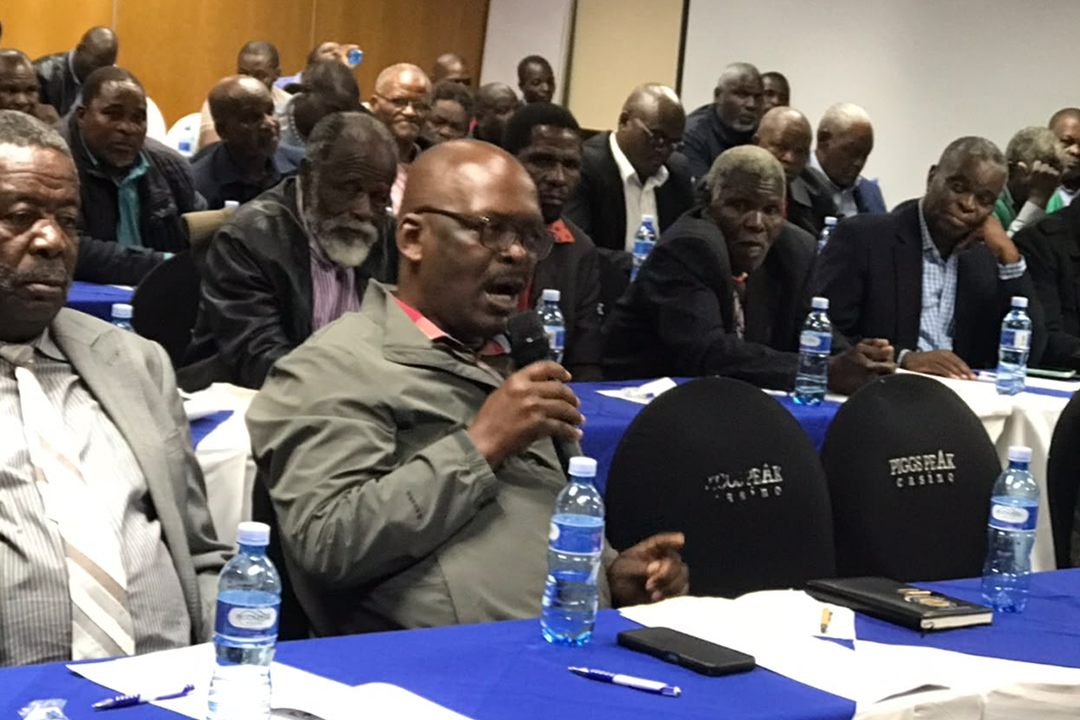
This was the call made by Bulandzeni Indvuna Gideon Gumedze during a meeting between the Elections and Boundaries Commission (EBC) and traditional leaders from Northern Hhohho at Piggs Peak Hotel on Tuesday, October 20, 2026.
Gumedze wants the Commission to pay particular attention to the backgrounds of aspiring Members of Parliament (MPs), arguing that those entrusted with representing emaSwati should be people of integrity.
“Candidates should be thoroughly vetted and be free from all sorts of crimes,” he said.

His concern centred on the need to prevent people who do not meet the prescribed qualifications from finding their way into Parliament.
Gumedze urged the electoral body to ensure that the screening of candidates is conducted carefully, with particular attention paid to the requirements governing eligibility for election.
His proposal raises the question of how thoroughly aspiring parliamentarians should be scrutinised before their names appear on the ballot paper.
While Gumedze called for candidates to be free from criminal involvement, the legal grounds for disqualifying a candidate are determined by the country’s electoral laws. His remarks did not establish that every criminal record automatically disqualifies a person from contesting parliamentary elections.
The Indvuna’s contribution was among issues raised during the engagement, which brought together the EBC and chiefs to discuss electoral procedures and the responsibilities of traditional leaders.
Gumedze also used the meeting to call for greater respect for traditional authorities within communities.
He said chiefs and other traditional leaders deserved the same respect that residents accord elected Members of Parliament.
His appeal was based on the role traditional authorities play in community affairs, particularly their regular interaction with residents on matters affecting their areas.
The meeting provided an opportunity for the EBC to explain electoral procedures and clarify the responsibilities of chiefs during elections.
The Commission also sought to strengthen cooperation with traditional authorities, who are among the community leaders able to assist residents in understanding electoral processes.
The discussions covered the importance of informed public participation and the role traditional leaders can play in communicating electoral information to communities.
For Gumedze, however, the screening of parliamentary candidates remained an important issue, with his appeal placing the qualifications and backgrounds of aspiring MPs at the centre of the discussion.
The meeting formed part of the EBC’s engagements with traditional authorities in Northern Hhohho on electoral matters.