


BY THEMBA ZWANE
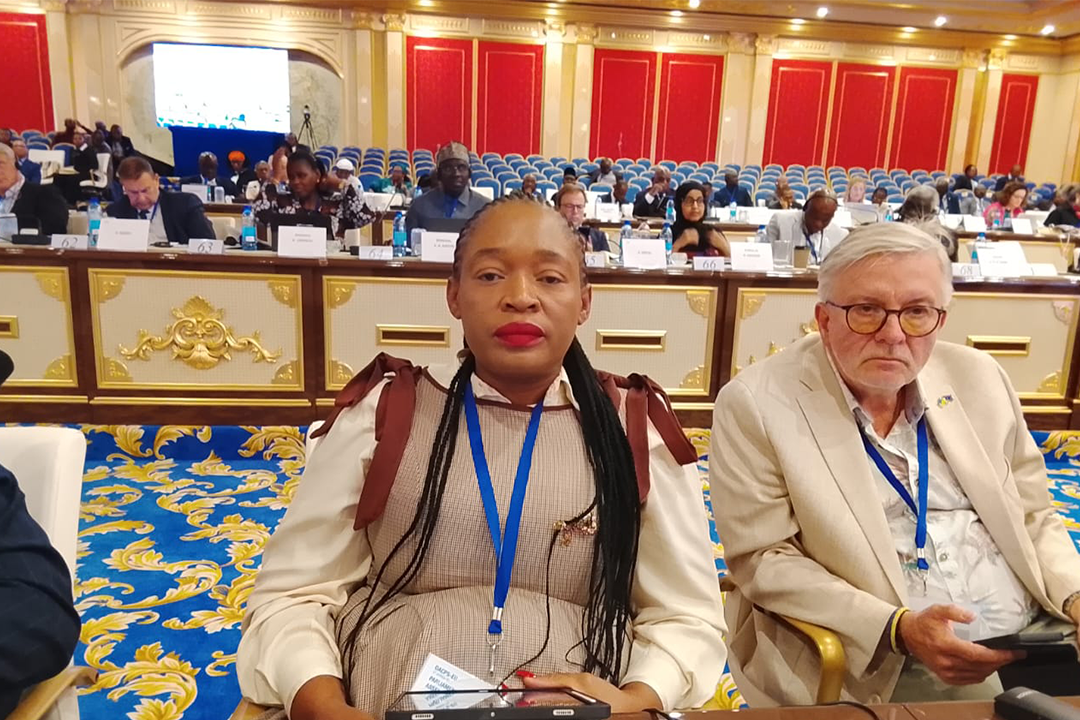
EZULWINI – Zimbabwe, through Senator Nonhlanhla Mlotshwa, has called for the acceleration of the implementation of the African Union (AU) Free Movement Protocol and align it with the African Continental Free Trade Area (AfCFTA) agreement.
Zimbabwean legislator submitted during the debate on challenges and opportunities related to mobility and youth education at the sitting of the OACPS-EU 1st Africa-EU Parliamentary Assembly that they needed to unlock the movement of skills, talent, and opportunity across Africa.
She noted, at the meeting held at Ezulwini Palazzo International Convention Centre, that what many see as a challenge is also a great opportunity: an opportunity to demonstrate how mobility and education can shape the future of the Africa-Europe partnership.
“Let us face a simple truth. Europe’s population is aging, with only around 20 percent of its people under the age of 20, while Africa is young and rapidly growing. Nearly 40 percent of Africans are under the age of 15.This reality places a responsibility upon us: we must equip our young people with the tools to succeed — education that is relevant, skills that are practical, and opportunities to move, learn, and work,” she said.

The lawmaker said education and mobility go hand in hand. Education provides knowledge; mobility opens doors. Together, they create jobs, drive innovation, and build prosperity.
Yet too often, she said, mobility within Africa remains constrained by weak infrastructure, underfunded institutions, and barriers that make it easier to recruit talent from outside the continent than from neighboring countries. That must change.
“We must accelerate the implementation of the African Union Free Movement Protocol and align it with the African Continental Free Trade Area. We need to unlock the movement of skills, talent, and opportunity across Africa.”
At the same time, she said, Africa and Europe have already made meaningful progress. Programs such as Erasmus+ and intra-Africa academic mobility initiatives are helping young people study abroad, build confidence, and connect globally.
She noted that Zimbabwe itself has seen the benefits. Their universities participate in initiatives such as Great Green Africa, advancing climate resilience and sustainable development.
However, challenges remain. Scholarships are still limited, visa processes remain costly and restrictive, and too many graduates stay abroad instead of returning home to contribute their knowledge and skills.
“This is where our responsibility as parliamentarians becomes clear. We must facilitate mobility by simplifying visa procedures, recognising qualifications, and better aligning our education systems. We must invest in schools and institutions that prepare students for real opportunities in the modern economy,” she said.
She called for management of mobility in a way that strengthens both Africa and Europe — not one at the expense of the other.
Above all, she noted that they must place young people at the center of decisions. She said if they give them the opportunity to learn, to move, and to contribute, they will build a future that is fair, forward-looking, and full of promise for Africa, for Europe, and for the world.
#PanAfrica #ICMPD #Zimbabwe #Eswatini #Mobility #YouthEducation #ParliamentaryAssembly #EuropeanUnion