



BY GCWALISILE MHLABANE
MANZINI – For many young people in rural Eswatini, the journey from having a business idea to building a successful enterprise often depends on access to the right resources. Increasingly, start-up capital is becoming a powerful tool in helping rural youth entrepreneurs transform their ambitions into sustainable businesses, create employment opportunities and contribute towards economic growth.
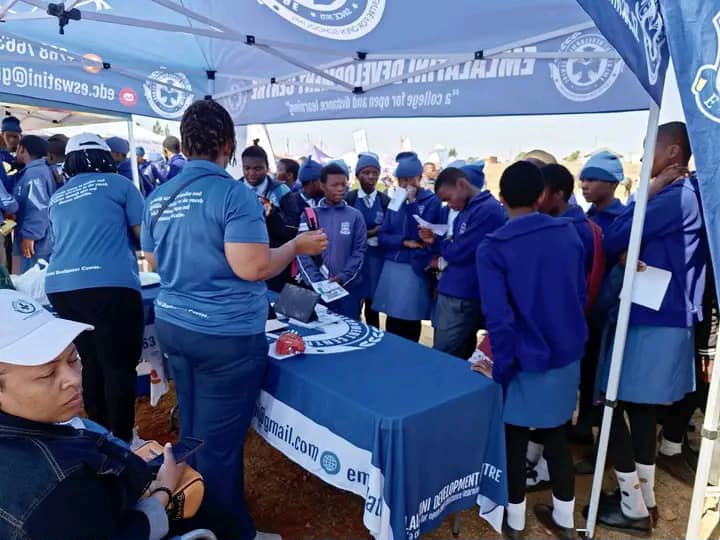
This message was shared by Ngwempisi Inkhundla Youth Chairperson Ellis Dlamini during an interview with the media after leading youth representatives from the five chiefdoms under Ngwempisi to visit exhibition stalls, including financial institutions, during the 2026 Career Expo held at Mankayane Mabovini Sports Ground.
Dlamini said access to start-up capital is playing a significant role in changing the rural entrepreneurship landscape by enabling young people to move beyond simply having business ideas and towards establishing enterprises that can generate income and create opportunities.
He explained that many rural entrepreneurs possess creativity, determination and innovative solutions to address challenges within their communities, but limited financial resources often prevent them from expanding their ventures.

“Rural entrepreneurs can think beyond survival. With access to capital, they are beginning to build brands, create jobs and contribute meaningfully to the economy,” said Dlamini.
He noted that start-up capital allows entrepreneurs to make critical investments in their businesses, including purchasing equipment, improving technology, acquiring raw materials and expanding production capacity.
According to Dlamini, these investments are essential in helping rural businesses improve the quality of their products and services while becoming more competitive in the market.
He emphasised that financial support alone is not enough, saying entrepreneurs also require mentorship, training and capacity-building programmes to ensure they have the skills needed to manage and sustain their businesses.
Dlamini said training in areas such as business management, financial literacy, marketing and strategic planning gives entrepreneurs the confidence to make informed decisions and build enterprises that can survive in a competitive environment.
“When young people and women gain access to capital, they gain confidence, and confidence becomes contagious – it lifts entire communities,” he said.
He further highlighted that supporting rural entrepreneurship contributes to the diversification of Eswatini’s economy, as young people explore opportunities beyond traditional economic activities.
Dlamini said start-up capital is enabling entrepreneurs to venture into sectors such as tourism, handicrafts, retail, agriculture value addition and service industries, creating new sources of income within communities.
He explained that economic diversification is important because it helps rural communities become more resilient against challenges such as climate change, market instability and fluctuations affecting agricultural production.

The Ngwempisi youth leader called for more inclusive financial support programmes tailored to the realities faced by rural entrepreneurs.
He said young business owners need access to strong support networks involving fellow entrepreneurs, investors, industry experts and organisations that can guide them throughout their entrepreneurial journeys.
“Entrepreneurs often need more than capital. They need platforms where they can exchange ideas, access information and build partnerships that help their businesses grow,” he said.
Dlamini said government and private sector stakeholders can play an important role by strengthening business incubators and accelerators that provide mentorship, training and connections between start-ups and potential investors.
Responding to a question on how government can foster entrepreneurship and positively contribute to the entrepreneurial environment, Dlamini said creating a supportive ecosystem requires collaboration, innovation and deliberate investment in young entrepreneurs.
He said government can promote entrepreneurship by increasing awareness, celebrating successful entrepreneurs and encouraging a culture where business creation is recognised as a pathway towards economic empowerment.
Dlamini cited Global Entrepreneurship Week as an example of an initiative that brings together entrepreneurs, investors and experts to exchange ideas, showcase innovations and build partnerships.
He also stressed the importance of a supportive legal and regulatory environment, saying simplifying business registration processes, protecting intellectual property rights and creating business-friendly policies can encourage more people to pursue entrepreneurship.
Dlamini added that innovation remains a key driver of business growth, saying investment in research and development can help entrepreneurs create products and services that respond to changing market needs.
He further highlighted the importance of skills development, stating that entrepreneurs require a wide range of skills, from financial management and product development to customer relations and digital knowledge.
Reflecting on the work of the Ngwempisi Inkhundla Youth Committee, Dlamini expressed appreciation for initiatives such as the Career Expo, saying they provide young people with valuable exposure to opportunities, financial institutions and organisations that support enterprise development.
He encouraged young people to take advantage of available opportunities and remain committed to building businesses that can positively impact their communities.
Dlamini expressed confidence in local government structures under the Tinkhundla system, saying community-driven development initiatives have the potential to unlock opportunities for rural communities.
#StartUpCapital #YouthEmpowerment #RuralEntrepreneurship #EconomicGrowth #EswatiniYouth #CareerExpo2026