


BY THEMBA ZWANE
MBABANE – Skilled workers from Eswatini are among those needed to keep South Africa’s garment manufacturing sector operating, according to a recent report carried by international news agency Reuters.
The report, published on August 6, 2026, examined the difficulties facing clothing factories in Newcastle, KwaZulu-Natal, following the departure of thousands of migrant workers amid recent anti-immigrant protests.
Reuters reported that some factory owners were struggling to replace workers who had left, particularly those with sewing and garment-making skills. Among the foreign workers whose experience is regarded as valuable are skilled workers from the Kingdom of Eswatini and Lesotho.
One Newcastle factory owner, Alex Liu, told Reuters that some skilled workers from the two neighbouring countries were needed because of their experience in the garment sector.

“We can’t immediately replace these skills with locals,” Liu said, according to Reuters.
The development places a spotlight on the contribution of emaSwati workers to South Africa’s manufacturing economy, particularly in a sector where practical experience and technical sewing skills are regarded as important to maintaining production.
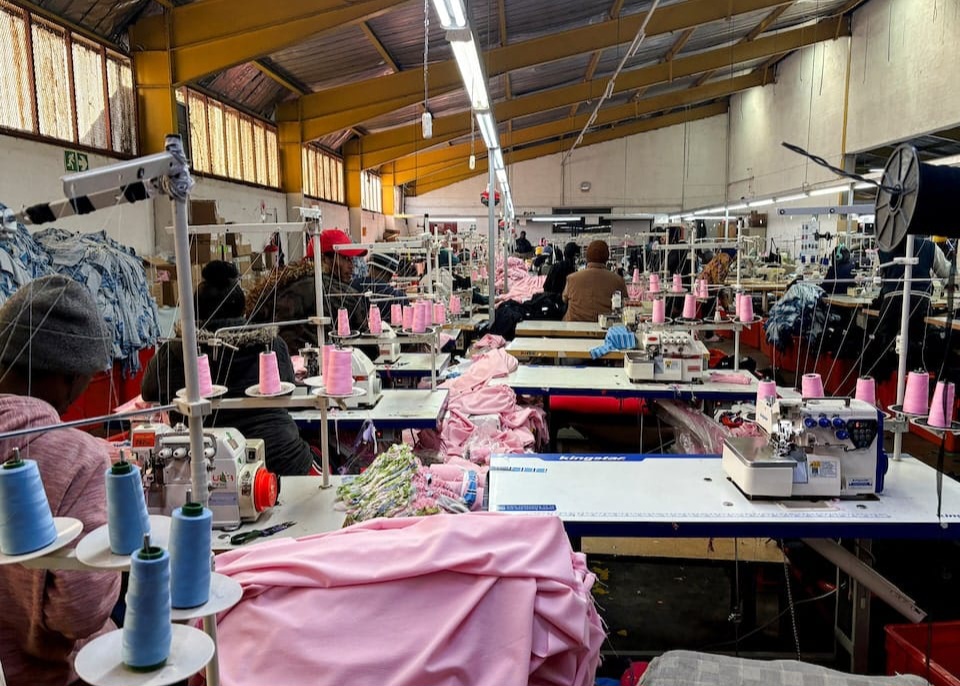
Reuters reported that it visited three clothing factories in Newcastle in late July, with owners saying they had lost between 12% and 19% of their workforces during the protests.
The departures have left some sewing machines idle and created difficulties for manufacturers attempting to maintain production.
The protests were linked to the anti-immigrant group March and March, which had called for undocumented migrants to leave South Africa. The campaign argued that immigrants were taking jobs from South Africans at a time when unemployment remains high.
However, the situation has created an immediate challenge for some employers who say they cannot easily replace experienced migrant workers with local employees.
Reuters reported that another Newcastle factory owner, Ronghua Yan, began training seven local employees after losing about 40 foreign workers in June. However, he said financial constraints prevented him from training more workers.
The Southern African Clothing and Textile Workers’ Union estimates that about 15% of Newcastle’s textile workforce, which numbers approximately 15,000 workers, left during the protests.
The union, however, disputes the argument that South Africa faces a genuine shortage of skilled machinists.
Union representative Siyabonga Ntombela told Reuters that South Africa has qualified machinists, but that wages, commuting costs and working conditions make the available jobs unattractive to many local workers.
This means that the debate extends beyond whether South Africa has enough skilled workers. It also raises questions about wages and working conditions in that country’s garment industry and why employers have historically relied on migrant labour for certain positions.
Labour market researcher Siphelele Ngidi told Reuters that attracting South Africans into manufacturing would require a broader government effort to revitalise the sector.
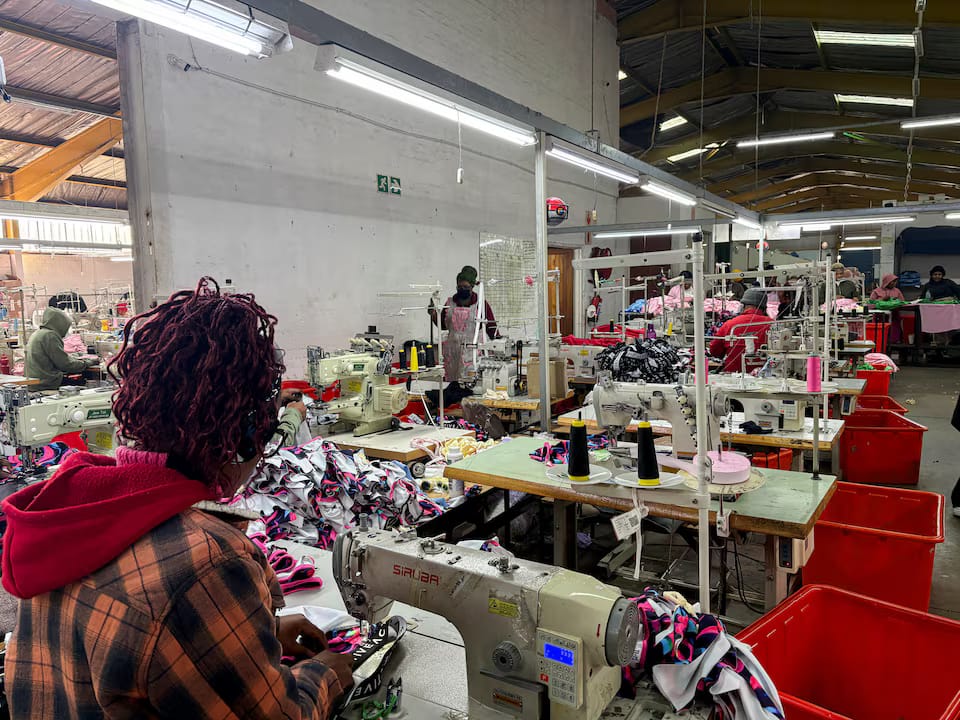
The Newcastle garment industry is an important part of the South African economy. Most of the city’s clothing factories are owned by Chinese nationals who have operated in South Africa for decades, producing garments for domestic retailers.
Reuters reported that workers are commonly paid according to the number of pieces they complete, with only the most productive workers potentially reaching the national minimum wage of 30.23 rand per hour. Factory owners told the news agency that they were struggling to increase wages because retailers pay relatively low prices for garments.
The industry has also suffered from government inspections that uncovered illegal labour practices at some factories earlier this year.
According to Reuters, some factories subsequently lost retail orders, adding to the pressure created by the departure of migrant workers.
Liu said his business was currently operating at a loss and that he would reassess the situation by December, including the possibility of shutting down.
For Eswatini, the report highlights another dimension of the economic relationship between the Kingdom and South Africa.
Beyond trade and investment, emaSwati workers contribute skills to industries across the border, including manufacturing. The Reuters report indicates that some of these workers possess experience that South African employers say cannot be replaced immediately.
The issue also illustrates the complexities surrounding migrant labour in the region. While political campaigns have focused on creating employment opportunities for South Africans, employers in some industries say the sudden loss of experienced foreign workers can disrupt production and threaten businesses.
Reuters reported that factory owners warned that prolonged disruption could eventually result in factory closures, potentially causing further job losses for South Africans.
The report therefore presents a contrasting picture to the argument that removing foreign workers automatically creates employment for local people.
In Newcastle’s garment sector, employers are instead reporting that the loss of experienced migrant workers, including skilled workers from Eswatini and Lesotho, has created gaps that cannot be filled immediately.
The Reuters report does not suggest that all South African garment factories depend on Eswatini workers, nor does it establish the size of the Eswatini workforce in the sector. Rather, it specifically highlights the experience of some workers from Eswatini and Lesotho as skills that particular factory owners say are needed.
For Eswatini, however, the mention in the Reuters report offers recognition of the skills emaSwati workers bring to regional industries and the role they continue to play in Southern Africa’s interconnected labour market.
#Eswatini #SouthAfrica #GarmentSector #SkillexWorkers #Lesotho #Reuters #Factories