


BY TANDZILE DLAMINI
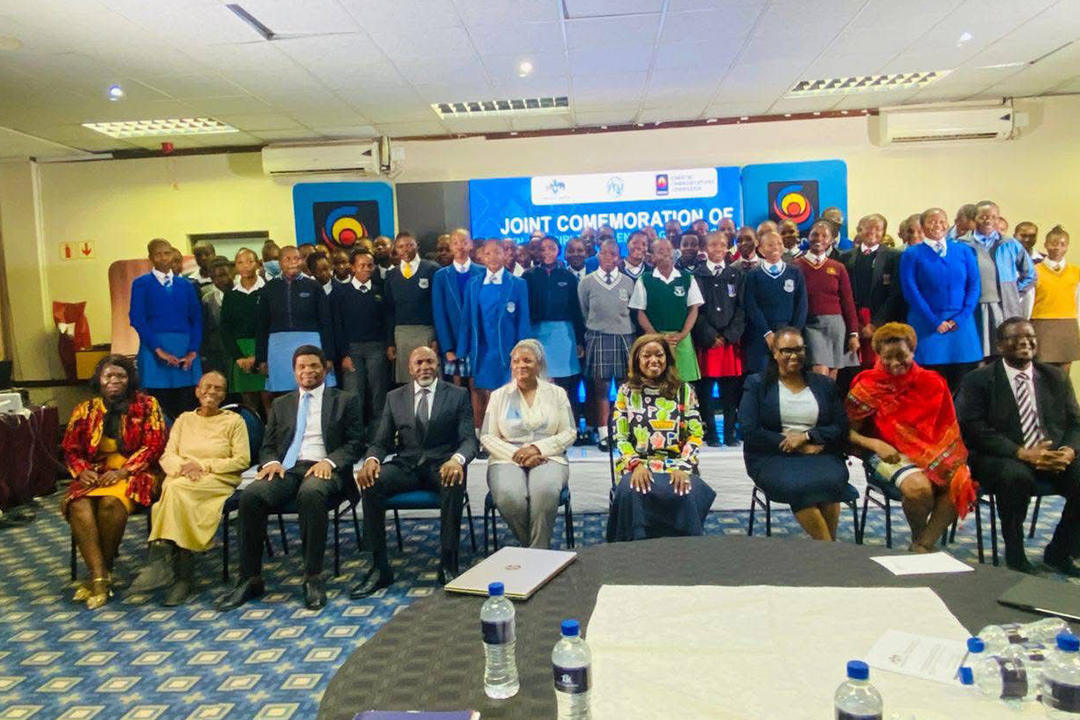
MBABANE — Eswatini’s push to build an artificial intelligence driven economy will fail if women and girls remain excluded from science and technology, ICT Minister Savannah Maziya and United Nations Resident Coordinator George Wachira warned on 12 May 2026 during the joint commemoration of Women and Girls in Science and Girls in ICT Day held at The George Hotel in Manzini.
Speaking at the event, ICT Minister Savannah Maziya and United Nations Resident Coordinator George Wachira painted a stark picture of a global digital revolution already reshaping economies, while millions of girls remain locked out of the industries expected to define the future.
The leaders said the stakes for Eswatini and Africa stretch far beyond equality, touching on economic survival, industrialisation, mineral wealth, food systems and Africa’s place in a rapidly changing world order.
“Artificial Intelligence is no longer a future concept, it is already shaping our world,” Maziya said, warning that excluding women from digital innovation risks creating technologies that deepen inequality and reflect “limited perspectives.”

Her remarks came as Government outlined an aggressive strategy to position Eswatini within the global digital economy through coding programmes, AI training, STEM mentorships and innovation platforms targeting girls and young women.
But it was Wachira’s address that widened the debate beyond classrooms and coding labs, linking the gender gap in STEM to Africa’s historic struggle for economic control.
“We have abundant deposits of almost all the resources that the world is thirsting for,” he said. “We need to add value to our resources, not export them raw.”
He argued that Africa cannot compete globally while women remain underrepresented in the industries driving technological and industrial transformation. According to figures shared during the event, women make up about 35 percent of STEM graduates globally, yet only 22 percent of the AI workforce.
Wachira warned that artificial intelligence alone is projected to contribute more than USD15 trillion to the global economy by 2030, but said the benefits could bypass African girls unless governments deliberately invest in inclusive digital education.
The event also highlighted concern over the disconnect between girls entering STEM education and women reaching leadership positions in technology industries.
Officials said programmes such as the African Girls Can Code Initiative, the Udacity coding programme, WiSET and the STEM Mentorship Programme are intended to close that gap by preparing girls for careers in AI, software engineering, research and innovation.
Behind the celebration, however, was a deeper message, that Africa’s future competitiveness may depend on whether it succeeds in turning girls into scientists, coders, engineers and technology leaders before the AI revolution accelerates further.