


BY MBONO MDLULI
MANZINI – The Eswatini Electricity Company (EEC) has reaffirmed its commitment to fair billing and accountability, assuring consumers that all electricity users in the country are required to pay for the power they consume.
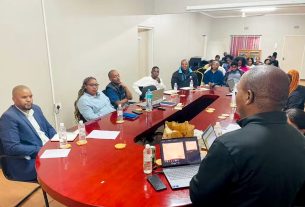
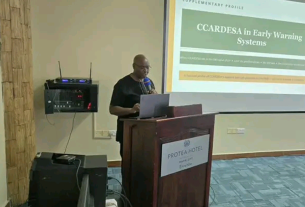
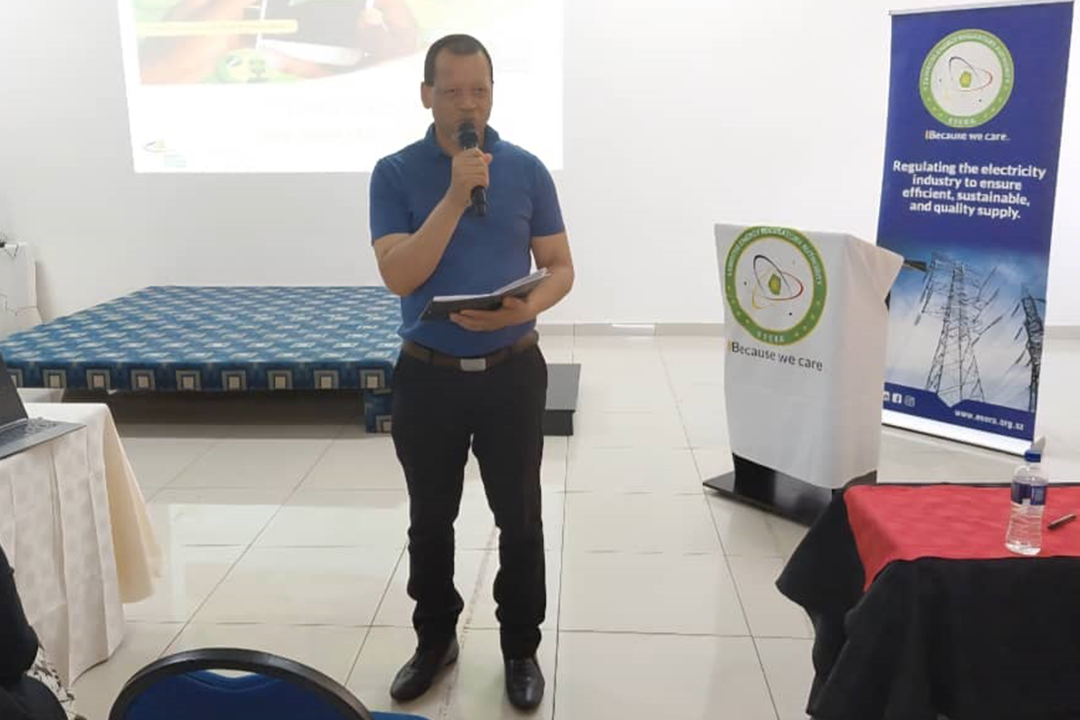
This assurance was given by EEC Managing Director Ernest Mkhonta during a stakeholder consultative meeting convened by the Eswatini Energy Regulatory Authority (ESERA) on Saturday, 24 January 2026, at The George Hotel in Manzini. The meeting formed part of ESERA’s nationwide public consultations on EEC’s application for an average electricity tariff increase of 20.67 per cent.
Responding to concerns raised by consumers and civil society representatives, Mkhonta challenged allegations that some electricity users consume power without paying, saying EEC has systems in place to ensure compliance across all customer categories.
“If there is anyone who has evidence of a consumer using electricity without paying, they should bring it forward so we can take action,” Mkhonta said. “EEC does not tolerate non-payment. Every customer, whether an individual, business or institution, is expected to pay for electricity used.”

He emphasized that the utility has, in the past, disconnected services to defaulting customers, including government entities, when bills were not settled. According to Mkhonta, EEC does not discriminate when enforcing payment policies and is guided by its mandate to maintain a financially sustainable electricity supply system.
The meeting was marked by robust engagement, with some consumers expressing frustration over repeated tariff increases and questioning whether consultation processes genuinely influence final decisions. Others argued that inefficiencies, non-payment and possible corruption within the energy value chain were contributing to rising electricity costs.
Addressing these concerns, ESERA Chief Executive Officer Sikhumbuzo Tsabedze clarified the regulator’s role, stressing that ESERA is independent and tasked with balancing the interests of consumers and service providers.
“ESERA does not exist to protect EEC,” Tsabedze said. “Our responsibility is to ensure that electricity remains affordable while also ensuring that the utility is financially viable and able to provide reliable service.”
He added that public consultations are a critical part of the tariff-setting process, allowing consumer voices to be formally considered before any decision is taken.
The consultations, which concluded on 24 January 2026, are expected to inform ESERA’s final determination on the proposed tariff adjustment. Both EEC and ESERA reiterated their commitment to transparency, accountability and continued dialogue as the country navigates rising energy costs and long-term energy sustainability.