


BY PHUMELELE GAMEDZE
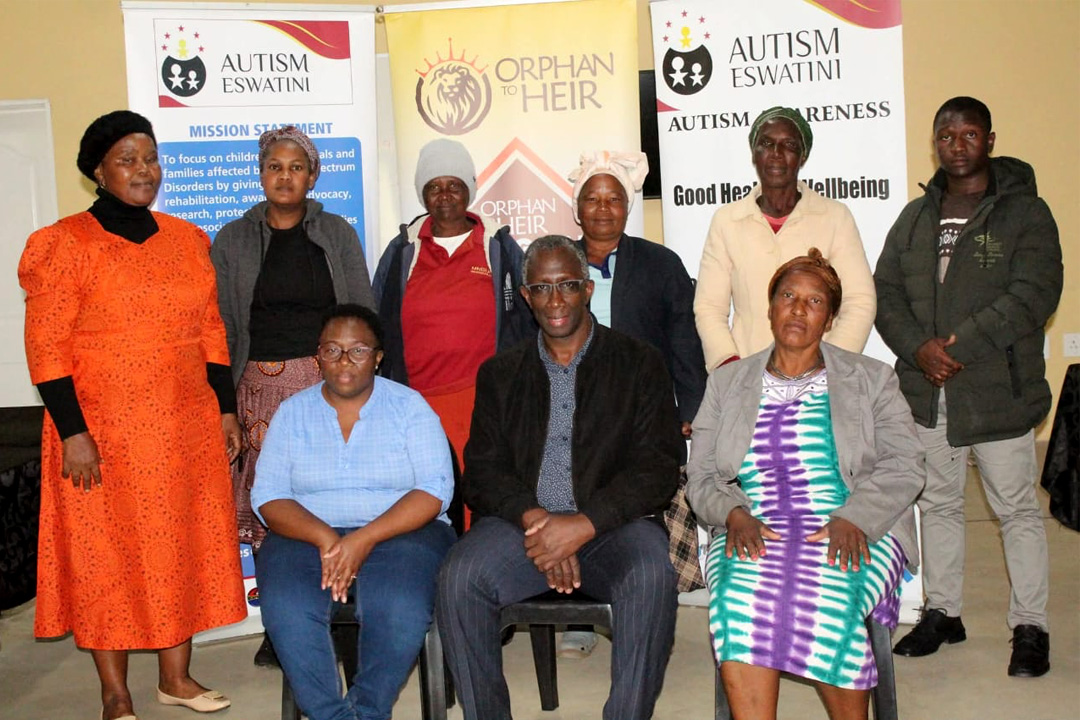
MBABANE– Community Health Motivators (Bagcugcuteli) have been equipped to better recognise Autism Spectrum Disorder (ASD), after Autism Eswatini used a capacity-building session at Mpolonjeni, Siteki, to address confusion between autism and mental disorders.
The training, hosted by Orphan to Heir on September 30, 2026, brought community health workers into an important conversation about autism, early identification and how families can be supported within their communities.
One of the concerns raised during the session was a question that can easily arise when a person behaves or communicates differently: Is it autism or a mental disorder?
The distinction matters because autism is not a mental illness.

According to the World Health Organisation (WHO), autism is a diverse group of conditions related to the development of the brain. It is classified among neurodevelopmental conditions and is associated with differences in social communication and interaction, as well as restricted, repetitive or inflexible patterns of behaviour, interests or activities.
The US Centers for Disease Control and Prevention (CDC) similarly describes autism as a developmental disability caused by differences in the brain. Signs may include differences in communication, social interaction, learning, movement, attention and responses to sensory experiences.
Autism generally begins during early development, although characteristics may only be recognised or diagnosed much later. The CDC notes that there is no blood test that can diagnose autism; professionals consider developmental history and behaviour when making an assessment.
Mental disorders, meanwhile, refer to a broad range of health conditions that can affect a person’s emotions, thinking, behaviour and ability to function in everyday life. WHO identifies conditions such as depression, anxiety disorders and schizophrenia among mental health conditions, each with their own symptoms and approaches to care.
This does not mean an autistic person cannot experience a mental health condition.
WHO says autistic people can have co-occurring conditions, including depression and anxiety. This makes proper understanding and referral especially important rather than assuming that every unusual behaviour is a mental disorder.
For a Community Health Motivator standing at the centre of a rural community, that knowledge can make a difference.
A child whose development is different may need assessment, not punishment. A parent struggling to understand their child’s behaviour may need information, not blame. And a family looking for help needs a health worker who knows where to refer them.
WHO recommends early identification, appropriate referrals, information and practical support for autistic people and their caregivers, while stressing the importance of inclusive communities and trained health workers.
The Mpolonjeni training therefore placed a simple message at community level: understanding autism can be the first step towards replacing confusion with support, stigma with acceptance and delay with early help.
Sources: World Health Organisation (WHO) and U.S. Centers for Disease Control and Prevention (CDC).
#AutismEswatini #AutismAwareness #CommunityHealth #InclusiveCommunities
(Courtesy Pic)