


BY SIBUSISEKILE NDLANGAMANDLA
MBABANE – Children are now at the heart of Eswatini’s disaster risk planning following the validation of an updated national risk assessment model designed to help the country better prepare for climate-related emergencies and other disasters.
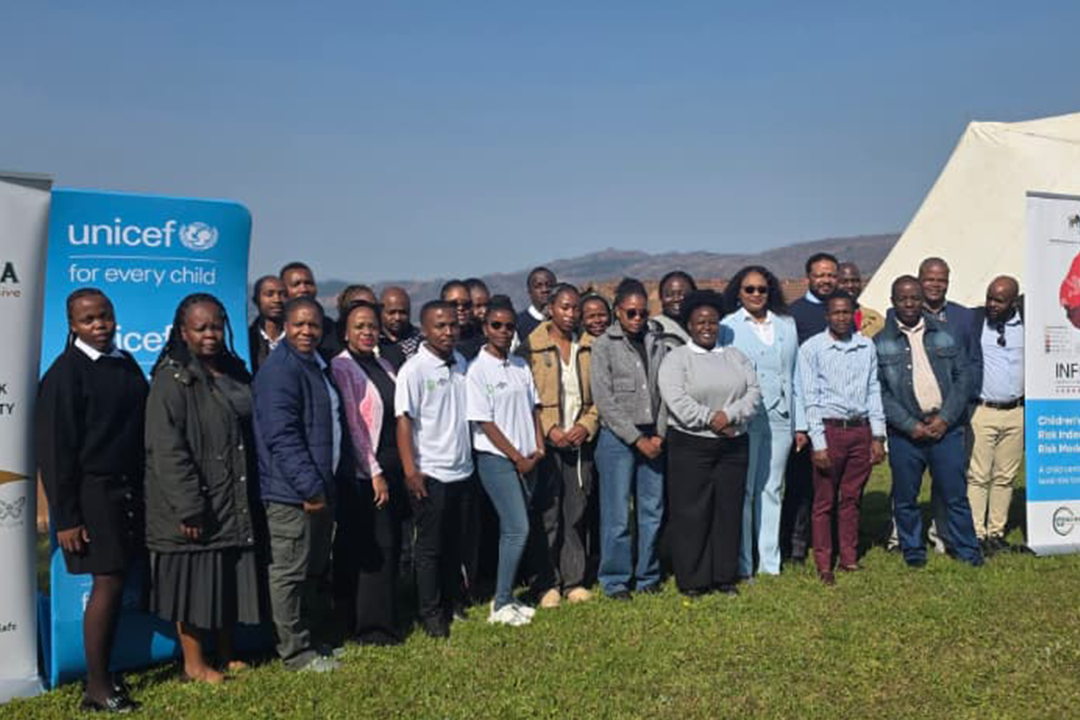
The National Disaster Risk Management Authority (NDMA), in partnership with UNICEF Eswatini and development partners, on Wednesday validated the updated INFORM Risk Model during a workshop held in Mbabane. The improved model provides a detailed picture of disaster risks across the country’s tinkhundla, enabling authorities to identify the areas most vulnerable to different hazards and respond more effectively.
What makes the updated model unique is its strong focus on children. For the first time, it incorporates child-centred indicators that measure risks affecting children’s health, education, safety and overall wellbeing. These include access to clean water and sanitation, education services, child protection systems and the health of children under the age of five. The model has also been expanded to assess emerging environmental threats such as heatwaves, air pollution, malaria and wildfires, reflecting the growing impact of climate change on communities across Eswatini.
UNICEF highlighted that children are among the groups most affected by disasters, making it essential for governments to understand where they face the greatest risks. By identifying vulnerable communities, decision-makers will be able to invest in stronger schools, resilient health facilities, improved social protection programmes and better emergency preparedness measures before disasters occur. Almost every child in the world is exposed to at least one climate-related hazard, while more than one billion children face three or more climate and environmental risks at the same time. The organisation believes that using evidence-based planning will help reduce children’s vulnerability and strengthen community resilience.

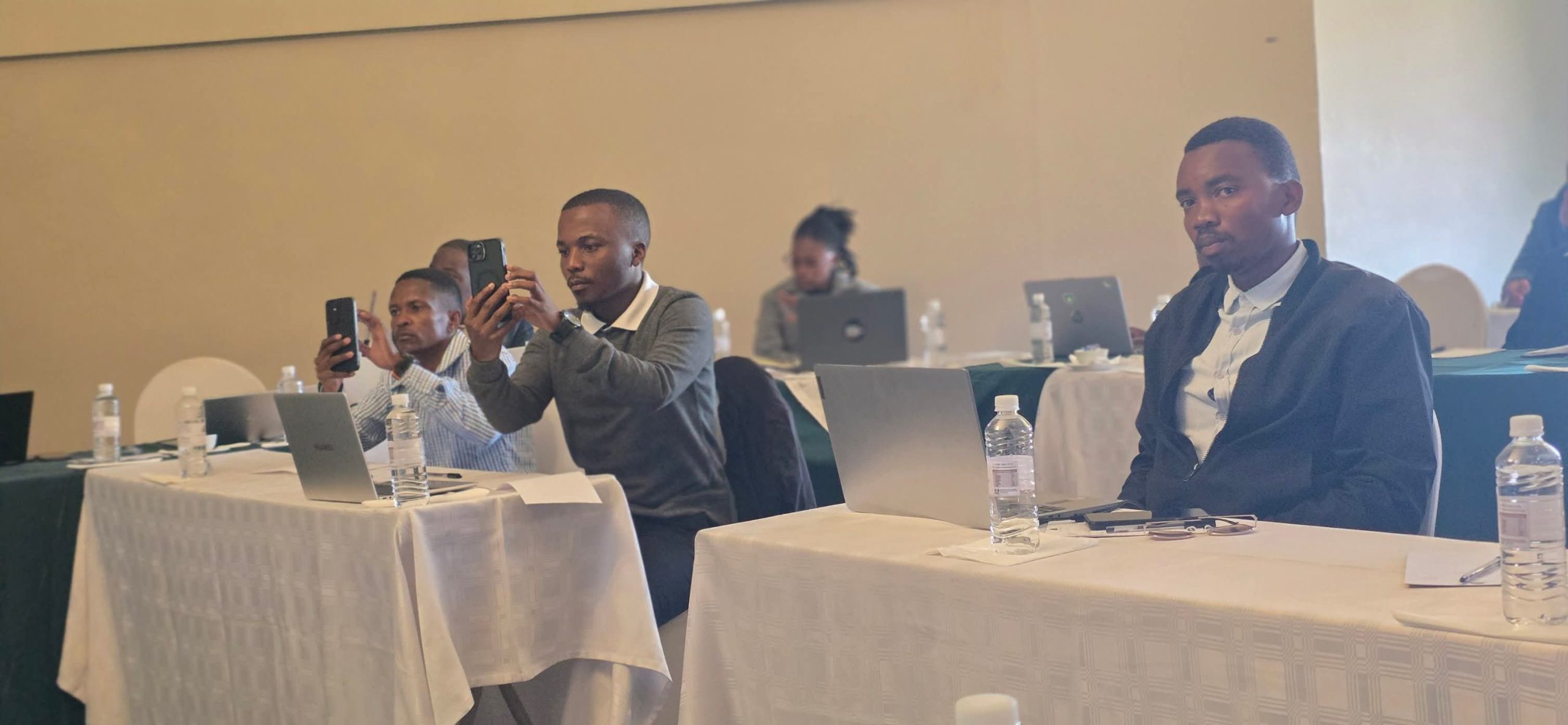
The workshop also featured participation from members of the Climate Change Youth Parliament, whose contributions underscored the importance of involving young people in shaping climate adaptation and disaster risk reduction strategies. Their presence reflected growing recognition that today’s youth will live with the long-term effects of climate change and should therefore play a meaningful role in developing solutions.
Officials noted that the INFORM Risk Model is not a static document but an open and continuously evolving platform. Ministries, government agencies and development partners will be able to update the system as new information becomes available, ensuring that disaster planning remains relevant and responsive to changing conditions.
Stakeholders said the updated model represents an important milestone in Eswatini’s efforts to build resilience against disasters while ensuring that children remain a national priority. By placing children’s needs at the centre of planning, the country aims to strengthen its ability to protect vulnerable communities, reduce disaster impacts and create a safer future for every child.
#DisasterRiskReduction #ClimateAction #ChildProtection #UNICEFEswatini #Eswatini