



BY LINDELWA MYENI
MBABANE– Churches and other faith-based institutions have been urged to strengthen disability awareness and accessibility to ensure that persons with disabilities can participate fully and equally in worship and community activities.
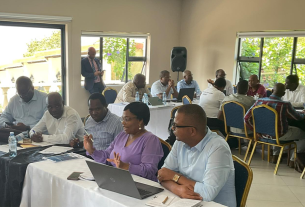
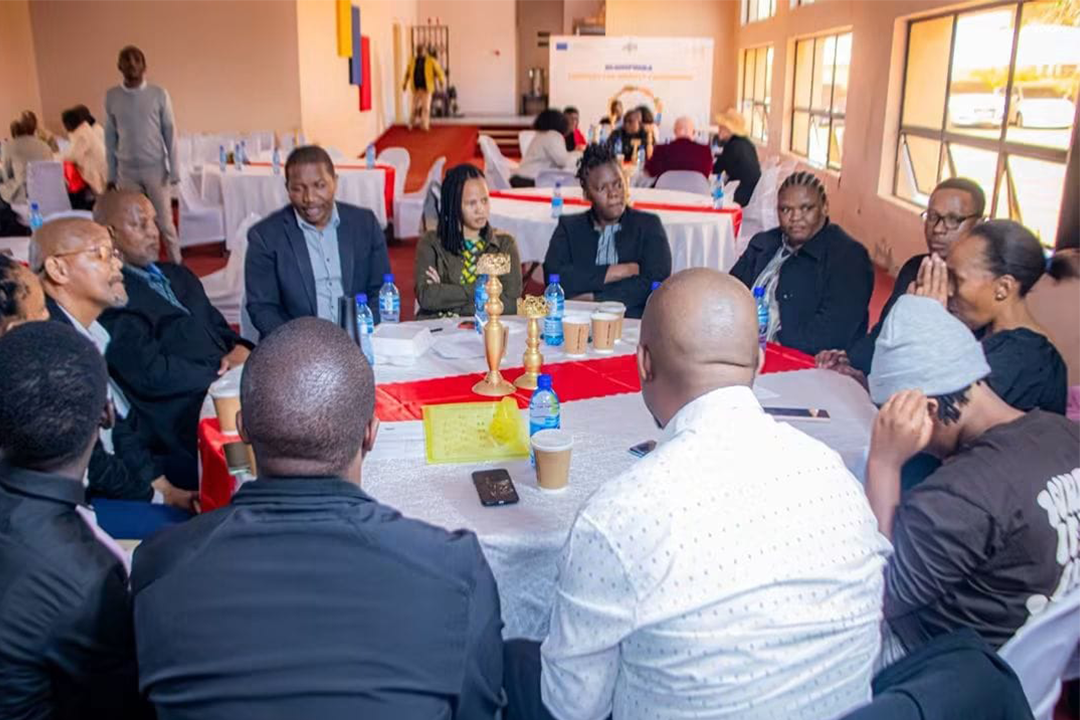
The call was made during a dialogue on “Inclusive Church Environments for Persons with Disabilities”, bringing together the Federation of Organisations of Persons with Disabilities in Swaziland (FODSWA), the Disability Advisory Council and the Bible Society of Eswatini.
The dialogue highlighted the need for churches to move beyond good intentions and take deliberate and sustained action to remove barriers that prevent persons with disabilities from participating meaningfully in church life.
Participants identified several challenges, including limited access to information, ableism, communication barriers, inaccessible infrastructure and facilities, inadequate disability etiquette, stereotypes and assumptions, as well as limited opportunities for persons with disabilities to participate in decision-making and church activities.
These barriers can prevent persons with disabilities from exercising their right to participate, belong, contribute and worship on an equal basis with others.
Church leaders, staff and congregations were therefore encouraged to prioritise continuous learning and awareness on disability inclusion while reviewing their physical environments, communication practices, attitudes and institutional processes.
Faith-based institutions were also encouraged to assess whether their facilities are accessible and whether their practices unintentionally exclude persons with disabilities.
The dialogue further emphasised that persons with disabilities should be meaningfully involved in decisions affecting them, with the principle that nothing about persons with disabilities should be done without their participation.
The discussions are aligned with the UNESCO Disability Inclusion Strategy 2026–2029, which promotes a rights-based, intersectional and transformative approach to disability inclusion, with emphasis on accessibility, participation and the meaningful involvement of persons with disabilities.
The dialogue also contributes to the implementation of the Costed Eswatini National Disability Action Plan (2024–2028), which recognises that building an inclusive society requires collaboration among government, civil society, faith-based organisations, communities and persons with disabilities.
The participants stressed that disability inclusion should not be viewed as charity, but as a matter of rights, dignity, equality, accessibility and belonging.
Churches and faith-based institutions were consequently encouraged to ensure that they become safe, accessible and welcoming spaces where every person can worship and participate fully and equally.
#DisabilityInclusion #InclusionMatters #AccessibilityForAll #LeaveNoOneBehind #EqualRights