


BY TANDZILE DLAMINI
MBABANE– Five forensic scientists from the Royal Eswatini Police Service have completed a four-month forensic DNA training programme in Namibia, a development expected to improve police investigations and help solve more criminal cases in Eswatini.
The officers were trained at the Namibian Police Force Science Institute (NPFSI) under a regional cooperation agreement between the Eswatini Police Service and the Namibian Police Force, supported by SADC/SARPCCO capacity-building initiatives. The training ran from October 2025 and is set to conclude in January 2026, focusing on Forensic Human DNA Analysis, a key tool in modern criminal investigations.
Police officials said the training will strengthen forensic capacity in Eswatini by improving the handling, analysis and interpretation of DNA evidence. This is expected to result in stronger court cases, faster investigations and an increase in solved crimes. The initiative aligns with the Police Operational Mantra 2026, which states that “the police remain resolute in dismantling crime syndicates to fortify the security and safety of the nation.”
In a report presented at the conclusion of the training, the Head of NPFSI, Commissioner Nelius Becker, said the Eswatini officers demonstrated a high level of competence in DNA workflows, interpretation, documentation and reporting. He noted that the team showed consistency and discipline during intensive practical sessions.

The Inspector General of the Namibian Police Force, Lieutenant General Joseph Shikongo, commended the officers for their performance and commitment throughout the training period.
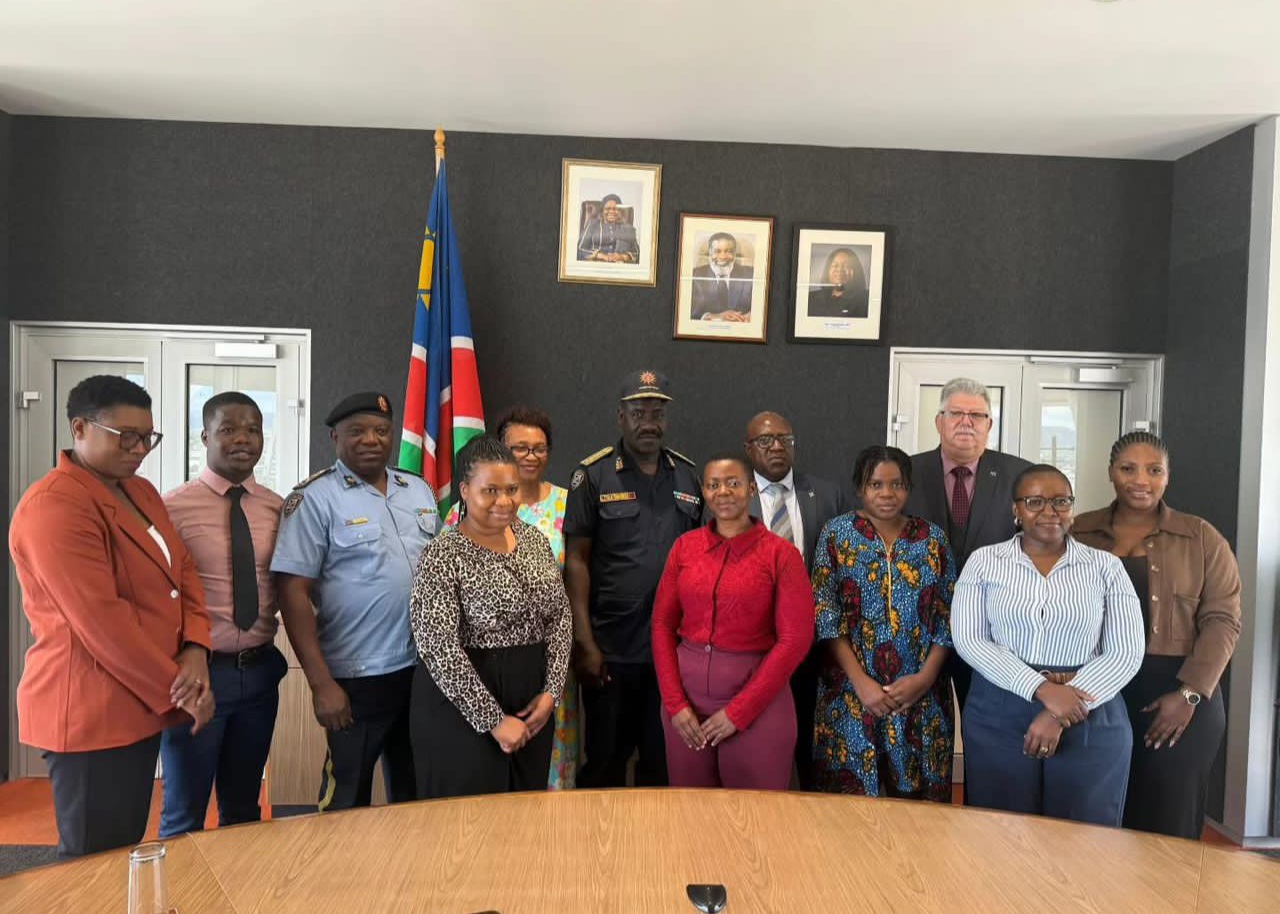
Following the training, the officers paid a courtesy visit to Lieutenant General Shikongo. They were accompanied by Deputy Senior National Commissioner Mr. Sula Dlamini and Deputy National Commissioner Ms Murray Dlamini, who thanked the Namibian Police Force for the support and skills shared with the Eswatini officers.
Speaking on behalf of the trainees, Assistant Inspector Nokuthula Nkonyane said the team was returning home better equipped to support forensic investigations and contribute to the development of forensic services in Eswatini.
Police authorities said the training marks an important step towards establishing local forensic DNA capabilities, which will reduce reliance on external services and improve service delivery within the criminal justice system.
The Royal Eswatini Police Service said it will continue to work with regional partners to strengthen skills and professionalism through targeted training program