



BY SIFISO NHLABATSI
EZULWINI – Tobacco businesses could face fines of at least E5 million or lose their authority to operate under the proposed Tobacco and Related Products Control Bill, 2026, as government moves to tighten the regulation of the industry.
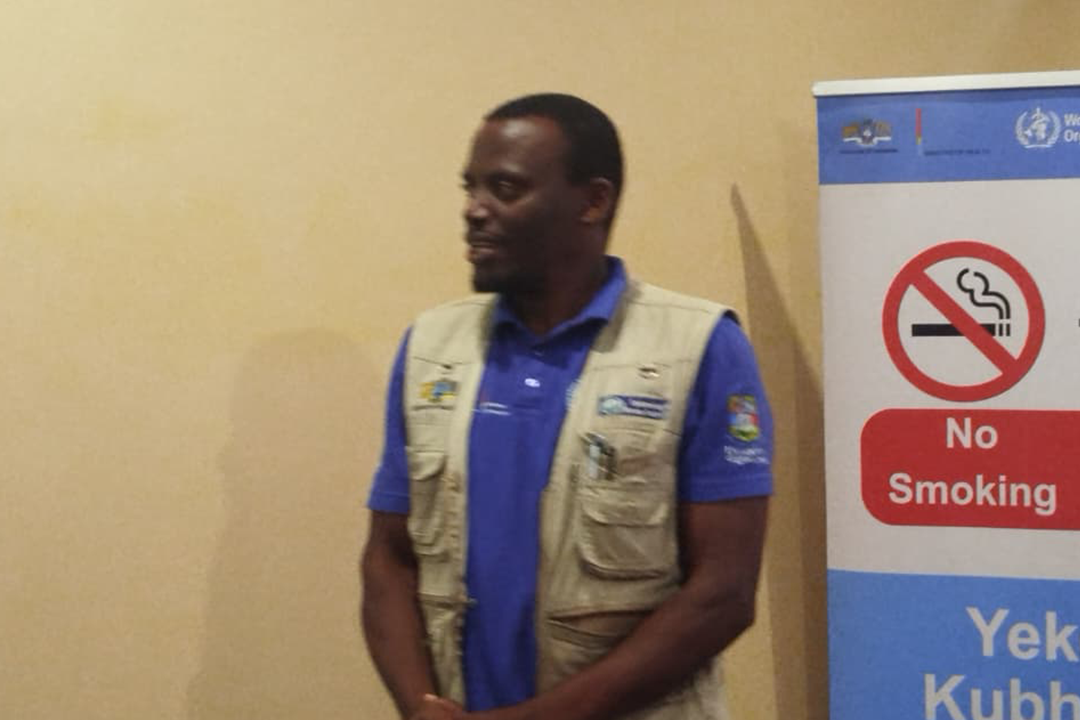
This was highlighted by Vusi Shabangu from the Ministry of Health during a consultative meeting with tobacco farmers on the Bill held at Bethel Court on Tuesday.
According to the proposed legislation, a body corporate found guilty of contravening provisions under Part III, which deals with the control of tobacco and related products, could face a fine of not less than E5 million, lose its authority to do business, or both.
The same minimum fine is proposed for companies that contravene Part IV, which provides for a comprehensive ban on tobacco advertising, promotion and sponsorship.

For individuals, the Bill proposes a fine of up to E1 million, imprisonment for a period not exceeding 10 years, or both, for offences under these parts.
In the case of a second or subsequent offence, an individual could face imprisonment for a period of not less than 10 years without the option of a fine.
The proposed penalties form part of measures intended to strengthen enforcement and ensure compliance with tobacco-control requirements.
Under the Bill, anyone seeking to engage in the wholesale or retail sale, manufacture, importation or exportation of tobacco and related products would be required to obtain a permit from the proposed Tobacco and Related Products Authorisation Board.
The Board would have powers to consider permit applications, renew or revoke permits and monitor businesses to ensure compliance with the legislation.
The Bill also proposes restrictions on the manufacture, importation, sale and possession of certain products, including heated tobacco and nicotine products. It further seeks to regulate product packaging, health warnings and the marketing of tobacco products.
During the consultation, farmers expressed concern about the implications of the proposed legislation for those whose livelihoods depend on tobacco cultivation.
The meeting provided an opportunity for stakeholders to raise concerns and seek clarity on provisions that could affect their activities.
The proposed penalties are among the measures contained in the Bill, which seeks to establish a legal framework for tobacco control in Eswatini. The provisions remain proposals under consideration and should not be interpreted as penalties already in force under the Bill.
The consultation formed part of the Ministry of Health’s engagement with stakeholders on the proposed legislation.
#TobaccoControlBill2026 #Eswatini #PublicHealth #TobaccoRegulation