



BY SIFISO NHLABATSI
MBABANE – Eswatini will need more than E6.14 billion to protect, restore and sustainably manage its biodiversity over the next decade.
According to the draft National Biodiversity Strategy and Action Plan (NBSAP 3.0), the country is already facing an estimated funding gap of nearly E2.99 billion,
The strategy, which will guide the country’s biodiversity agenda from 2026 to 2035, has been opened for public review ahead of its finalisation and validation. Members of the public have until Friday, September 4, 2026, to submit comments, suggestions and recommendations.
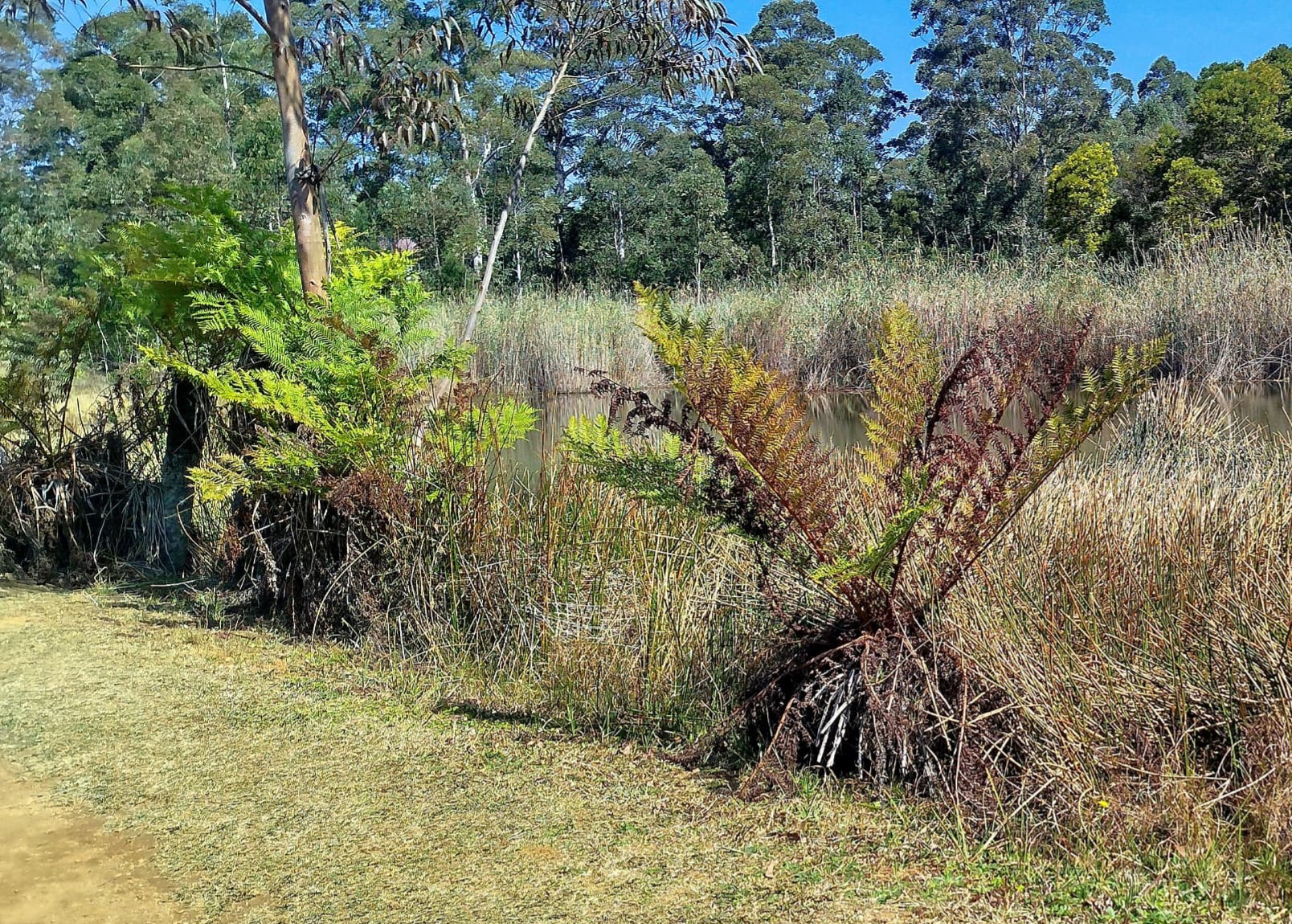
The draft presents biodiversity conservation as far more than an environmental issue. It argues that the country’s grasslands, wetlands, forests, rivers, rangelands and other ecosystems are part of Eswatini’s natural infrastructure, supporting water security, food production, tourism, livelihoods, climate resilience and disaster-risk reduction.
However, putting that vision into action will come at a significant cost.
The draft estimates the total financing requirement for implementing the NBSAP at between E6.14 billion and E6.15 billion by 2035, equivalent to about US$332 million under the document’s planning assumptions. Under business-as-usual financing, the country faces a shortfall of approximately E2.99 billion, or about US$161.6 million.
Restoring degraded ecosystems is expected to consume more than 80 per cent of the total financing requirement, making it the single biggest cost driver in the strategy.
The document warns that Eswatini can no longer rely on fragmented conservation projects and short-term interventions if it hopes to reverse biodiversity loss.
“Biodiversity commitments have often been clearer than the systems needed to deliver them,” the strategy notes in its implementation approach, arguing that national ambition must now be matched with institutions, budgets, field programmes, reliable data and long-term accountability.
The NBSAP 3.0 is Eswatini’s updated response to the Kunming-Montreal Global Biodiversity Framework, the global agreement adopted to halt and reverse nature loss. As a Party to the Convention on Biological Diversity, Eswatini is expected to align its national action with global biodiversity targets while responding to its own environmental and development challenges.
The draft sets out 23 Global Biodiversity Framework-aligned headline targets, translated into 58 national targets and sub-targets.
These range from biodiversity-sensitive land-use planning and ecosystem restoration to protected areas, threatened species, invasive alien species, pollution, climate resilience and sustainable agriculture.
The strategy also pushes biodiversity deeper into sectors traditionally viewed as separate from conservation, including finance, infrastructure, urban planning, forestry, agriculture and business.
Nine strategic action programmes have been proposed to drive implementation. These include biodiversity-inclusive spatial planning; protected areas and other effective area-based conservation measures, known as OECMs; restoration and nature-based solutions; species and genetic diversity; sustainable agriculture and forestry; invasive alien species and biosafety; pollution and waste; urban biodiversity; and access and benefit-sharing, finance, traditional knowledge and inclusive governance.
The scale of the proposed intervention reflects the severity of the threats facing the country’s ecosystems.
According to the draft, Eswatini continues to experience pressure from land-use change, wetland degradation, pollution, invasive alien species, unsustainable harvesting, urban expansion and climate change. Weak enforcement, fragmented institutional mandates and inadequate financing have compounded the problem.
The document draws heavily on the country’s Seventh National Report under the Convention on Biological Diversity, which recorded widespread ecosystem degradation, invasive alien plants across large parts of the country, uneven monitoring and gaps in capacity and financing.
One of the major shifts proposed under NBSAP 3.0 is to move conservation beyond formally protected areas.
The strategy argues that decisive biodiversity outcomes will also be determined in production landscapes, towns, customary areas, wetlands, river corridors, rangelands, forests, private land and community-managed landscapes.
At community level, Chiefdom Development Plans are expected to become important delivery tools on Eswatini Nation Land.
Under the proposal, communities could identify and map locally important wetlands, rivers, forests, grasslands, rangelands and sacred natural sites, as well as areas requiring restoration and potential community conservation areas.
The plans would also incorporate biodiversity-related business opportunities, youth and gender participation, One Health risks and annual implementation milestones.
The strategy adopts a One Health approach, linking environmental protection with human, animal and plant health.
This would encourage closer coordination between biodiversity monitoring, veterinary and public-health surveillance, water and food safety, pollution control and climate-sensitive disease risks.
Technology is also expected to play a growing role. The draft proposes the use of earth observation, environmental DNA, camera traps, acoustic sensors, mobile field tools, citizen science and digital dashboards to strengthen monitoring.
Artificial intelligence-assisted analysis could also be used, although the strategy stresses that technology must be transparent, expert-verified and affordable to maintain.
Sensitive information, including the locations of threatened species and traditional knowledge, would not automatically be treated as open data.
But financing remains the biggest test.
The draft proposes a combination of domestic public funding, biodiversity budget tagging, integration with the Medium-Term Expenditure Framework and government financial systems, external grants, climate finance, private-sector co-financing, blended finance, trust funds and local implementation windows.
It also calls for reform of subsidies that harm biodiversity.
The strategy says the country’s assessment found that biodiversity-harmful subsidies are significantly larger than expenditure supporting biodiversity-positive activities. Redirecting some of those incentives could therefore become central to closing the nearly E2.99 billion financing gap.
The Ministry of Tourism and Environmental Affairs is expected to provide overall policy leadership, working with the Eswatini National Trust Commission, Eswatini Environment Authority, Ministry of Finance, sector ministries, municipalities, traditional authorities, communities, researchers, civil society and the private sector.
Implementation would be tracked through annual reports, finance reporting, public progress briefs and dashboard-based monitoring.
A mid-term review is planned for 2030, followed by a final evaluation in 2035.
#Eswatini #Biodiversity #NBSAP3 #E6_14Billion #BiodiversityConservation #Environment #NatureConservation #ClimateAction #EcosystemRestoration #SustainableDevelopment #KunmingMontrealGBF #SaveNature #EswatiniPositiveNews