



BY MBONO MDLULI
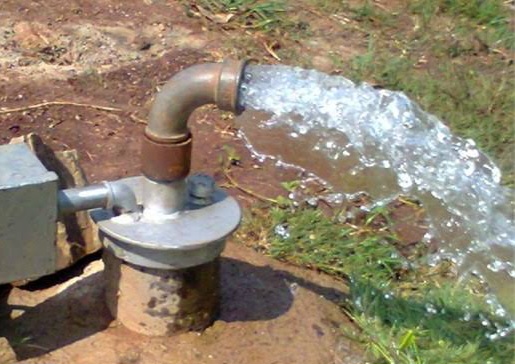
MBABANE – There is a serious need for Emaswati to be sensitised about the importance of ground water so that they know how to conserve and protect it.
Ground water needs to be tapped by Emaswati because surface water is becoming finite. However, when used, the ground water needs to be protected so that it can be used by future generations. Speaking today (Wednesday, October 23, 2024) on Eswatini TV’s Kusile Breakfast Show, Musa Mwelase from the Department of Water Affairs in the Ministry of Natural Resources and Energy said many rivers in the country, which formed part of the surface water, were running dry.
Mwelase said that was one of the needs why there was a need for ground water to be used. He said the advantage of ground water was that it was clean than the surface water. Climate change was also another factor that made surface water to vanish, leaving ground water as a strategic resource, hidden beneath the surface of the earth, that can be of good use.
According to Mwelase, there is a need for regulations to control the use of ground water so that it can be kept clean and available. He said the conference that starts today at Mountain View Hotel, Mbabane will be looking at how the legislations could be enacted in order to protect this resource. Mwelase spoke about Sustainable Development Goal Number 6 (SDG 6). He said the SDG 6 required that by 2030, everyone should have water.

According to Wikipedia and the United Nations (UN) website, Sustainable Development Goal 6 (SDG 6 or Global Goal 6) declares the importance of achieving “clean water and sanitation for all”. It is one of the 17 Sustainable Development Goals established by the United Nations General Assembly to succeed the former Millennium Development Goals (MDGs). According to the United Nations, the overall goal is to: “Ensure availability and sustainable management of water and sanitation for all.”[1] The goal has eight targets to be achieved by 2030 covering the main areas of water supply and sanitation and sustainable water resource management. Progress toward the targets will be measured by using eleven indicators.
