



BY TANDZILE DLAMINI
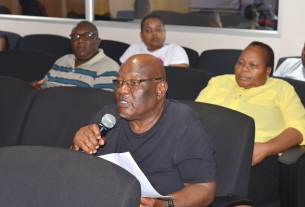
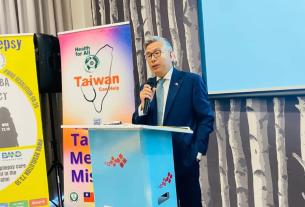
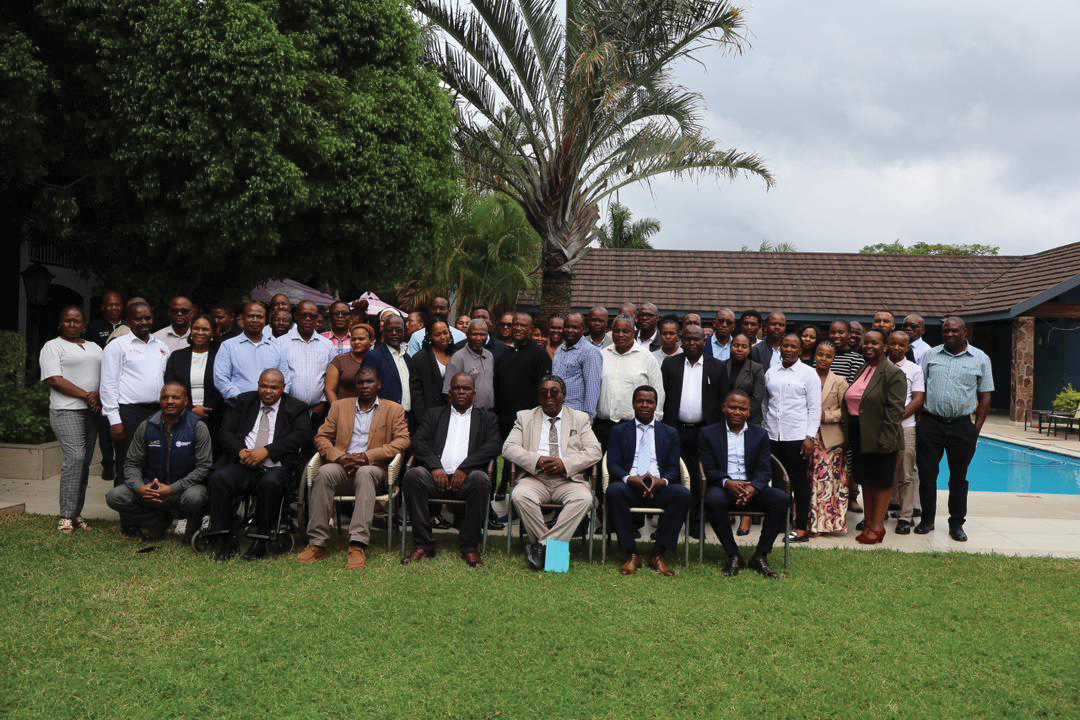
MBABANE– Agriculture in Eswatini is undergoing a transformation, with youth and women emerging as key players in the country’s agribusiness sector. This shift was highlighted at the FAO Country Programming Framework (CPF) 2026–2030 validation workshop held on 2 March 2026 at the George Hotel in Manzini.
The workshop brought together government officials, UN agencies, civil society organisations, and private-sector stakeholders, including World Vision and the Woman Farmer Foundation, to fine-tune the strategic framework that will guide Eswatini’s food security, rural development, and climate resilience initiatives over the next five years.
At the centre of discussions was the drive to turn agriculture from a traditional “toil-based” sector into a dynamic, business-focused industry that offers opportunities for rural entrepreneurship, especially for women and young people. By emphasizing inclusive value chains, from production to processing and export,the CPF aims to tackle unemployment and gender inequality while strengthening the country’s agrifood systems.
FAO Representative Howard Mbuyisa told participants that agriculture remains central to Eswatini’s development. “The agrifood system contributes to GDP, supports rural livelihoods, and provides employment across key value chains including sugar, citrus, forestry, and livestock. Transforming this sector is critical not only for economic growth but also for achieving a more equitable and sustainable future for all Liswati,” he said.

The CPF focuses on three strategic priorities: strengthening the enabling environment for agrifood system transformation, enhancing inclusive and competitive value chains, and advancing sustainable natural resource management and climate resilience. Across all priorities, women, youth, and smallholder farmers remain a key focus.
The Ministry of Agriculture also reaffirmed the Government’s commitment to food sovereignty and export promotion. In his opening remarks, the Principal Secretary urged stakeholders to actively contribute to shaping a framework that is nationally owned, technically sound, and aligned with global standards like the Sustainable Development Goals and the AU Comprehensive Africa Agriculture Development Programme (CAADP).
“This workshop marks a critical stage in operationalising the CPF. Your input today will ensure programmes are inclusive, impactful, and tailored to the real needs of our farmers,” he said.
By spotlighting youth and women as the new drivers of agribusiness, the CPF 2026–2030 aims to turn challenges into opportunities, promoting innovation, entrepreneurship, and sustainable growth across Eswatini’s agricultural landscape.