


NOKUPHILA NXUMALO
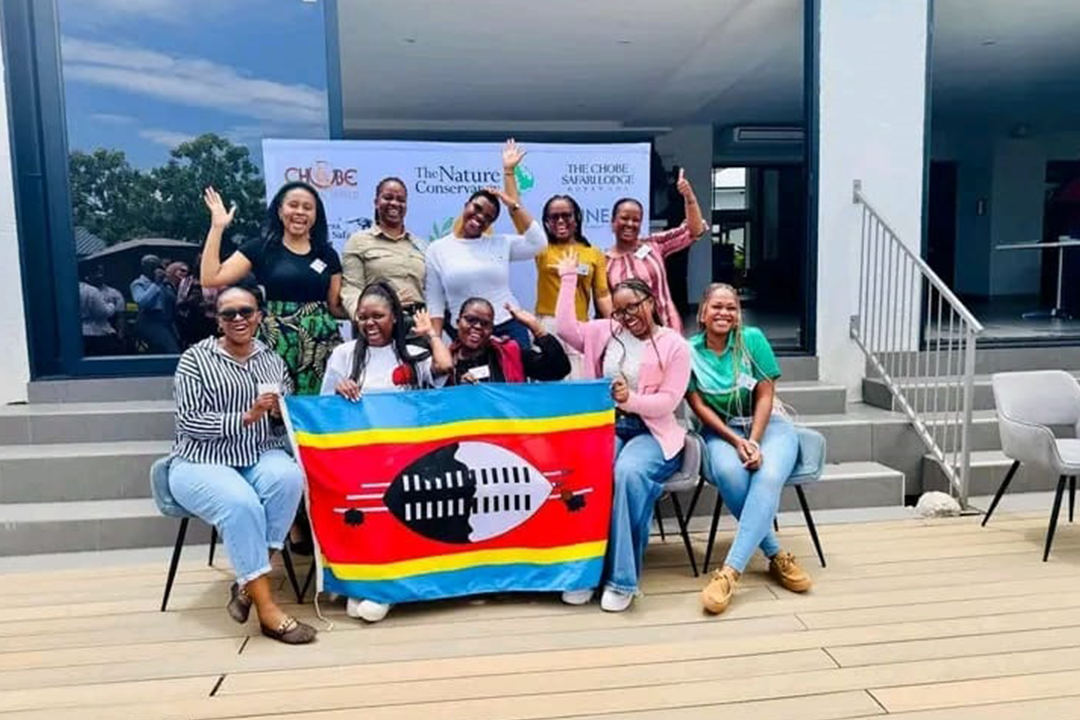
MBABANE – Eswatini strengthened its commitment to environmental sustainability and biodiversity protection through participation in the Congress of Women Conserving Southern Africa (WCSA), held in Kasane from 15 to 20 February 2026.
The event brought together environmental experts, researchers, policy makers and conservation practitioners from across Southern Africa to discuss climate change, biodiversity conservation and the critical role women play in advancing sustainable environmental management.
Representing the country at the congress, the Eswatini Environment Authority (EEA) joined regional stakeholders from government institutions, civil society organisations, academia and scientific bodies. The gathering created an important platform for collaboration and dialogue on how the region can strengthen its collective response to growing environmental challenges.
Delegates engaged in discussions on a wide range of issues affecting the environment, including strategies to combat climate change, approaches to protecting biodiversity, the value of indigenous knowledge systems and ways to strengthen community-based natural resource management.

The congress also provided an opportunity for participants to exchange research findings, share practical experiences and highlight successful conservation initiatives taking place in different countries across Southern Africa.
A key highlight of the event was the recognition of the growing contribution of women in environmental leadership. Participants emphasised that women continue to play a vital role in shaping conservation policies, managing natural resources and leading community-driven environmental programmes that promote sustainable development.
The Eswatini Environment Authority noted that its participation in the congress reaffirmed the country’s commitment to international environmental agreements, particularly the implementation of the Nagoya Protocol under the Convention on Biological Diversity.
The engagement follows Eswatini’s recent submission of its first national report on the Nagoya Protocol. This milestone reflects the country’s progress in strengthening biodiversity governance while promoting the fair and equitable sharing of benefits arising from the use of genetic resources.
According to the Authority, the report highlights efforts to ensure that communities benefit from the sustainable use of biodiversity while also protecting the nation’s natural heritage for future generations.
Participation in regional platforms such as the WCSA congress was described as important in strengthening cooperation between Southern African countries and aligning national conservation efforts with regional priorities.
The congress concluded with renewed calls for inclusive environmental governance, stronger partnerships among stakeholders and increased investment in women-led conservation initiatives.
Environmental leaders at the gathering expressed optimism that continued collaboration across the region will help address emerging ecological challenges while promoting sustainable development and biodiversity protection for generations to come.
#Environment #Biodiversity #Eswatini #WomenInConservation