BY MFANUFIKILE KHATHWANE
ESIBAYENI- Eswatini has officially launched its transition to the International Public Sector Accounting Standards (IPSAS) Accrual-Based Accounting Framework.
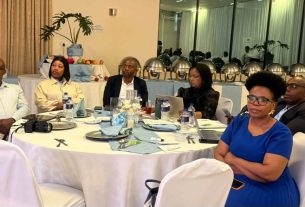
This pivotal reform, themed “Charting a New Course Through IPSAS Adoption,” was inaugurated at Esibayeni Lodge during a workshop opened by the Honourable Minister of Finance.
A Defining Reform for Transparent Governance
Speaking with conviction and optimism, the acting Minister of Finance Appolo Maphalala described the transition as “the foundational stone for one of the most significant and transformative reforms in the history of our public financial management.”
For decades, Eswatini has operated on a cash-based accounting system, recording transactions only when cash is received or paid. While this method has served its purpose, the Minister highlighted its limitations in providing only a short-term snapshot of the nation’s finances.

“Today, we boldly declare that we are transitioning to a system aligned with global best practices. The adoption of the IPSAS Accrual Framework is a monumental step that will fundamentally change how we account for, manage, and report on public funds,” the Minister said.
The IPSAS framework will provide a comprehensive understanding of assets, liabilities, revenues, and expenses, offering a true reflection of the country’s financial health.
Transparency, Better Decisions, and Fiscal Prudence
The Minister outlined three major benefits of IPSAS adoption:
- Enhanced Transparency & Accountability
Financial statements will become more comparable, reliable, and accessible to citizens, investors, and international partners. This openness is expected to deepen public trust in government institutions. - Improved Decision-Making
With accurate data on public assets such as roads, bridges, and natural resources, policymakers can make more strategic budgetary decisions that safeguard the nation’s long-term interests. - Prudent Fiscal Management
The reform will improve debt management, strengthen public-private partnerships, and enable better control of liabilities, setting Eswatini on a firmer fiscal footing.
Building Capacity for Change
The reform goes hand-in-hand with the professionalization of Eswatini’s accounting workforce. The Minister emphasized that this is not just a systems change—it’s a cultural shift toward financial excellence.
“We are not just changing our systems; we are investing in our people. You are becoming the architects of a new culture of financial excellence within the public service,” he told accountants, auditors, and financial professionals gathered at the workshop.
He encouraged participants to engage actively, ask difficult questions, and embrace their role as champions of this national transformation.
Expert Insights: Fredrick Riaga on the Global Shift
Fredrick Riaga, CEO of the Association of African Accountants General, commended Eswatini for taking this bold step. He explained that most governments globally are moving away from cash-based accounting because it doesn’t equip decision-makers with information for future planning.
“Cash accounting is relevant for making decisions today but not very supportive of making decisions into the future. Accrual accounting enables governments to assess future risks, plan for pensions, manage assets, and ensure uninterrupted service delivery,” Riaga said.
Using the example of an ambulance, he illustrated how accrual accounting ensures governments plan for asset replacement and service continuity—rather than reacting to emergencies by cutting budgets from other critical services.
Riaga stressed that the reform will require comprehensive re-skilling, legal amendments, system reconfiguration, and strategic resource allocation. He urged Eswatini’s public finance professionals to embrace the necessary mindset shift to ensure sustainable decision-making.
A Collective Journey Toward Financial Excellence
The IPSAS adoption workshop brought together senior government officials, accountants, auditors, development partners, and international experts—all united by a shared vision of transparent governance and fiscal sustainability.
“We are on the cusp of a new chapter in our nation’s governance. The adoption of IPSAS Accrual Accounting is more than a technical accounting exercise; it is a statement of our intent—to be open, responsible, and to build a legacy of prudent financial stewardship that will benefit generations to come,” the Minister concluded.
As Eswatini embarks on this transformative journey, the nation signals to the world that it is committed to sound governance, accountability, and financial integrity—laying the groundwork for sustainable development and renewed investor confidence.