


BY MBONGENI NDLELA
ACCRA, GHANA – Eswatini’s ambitions to strengthen its petroleum sector have received a potentially significant boost after Prime Minister Russell Mmiso Dlamini opened discussions with the Ghana National Petroleum Corporation (GNPC) aimed at transferring expertise, building institutional capacity and exploring a strategic partnership with the Eswatini National Petroleum Company (ENPC).
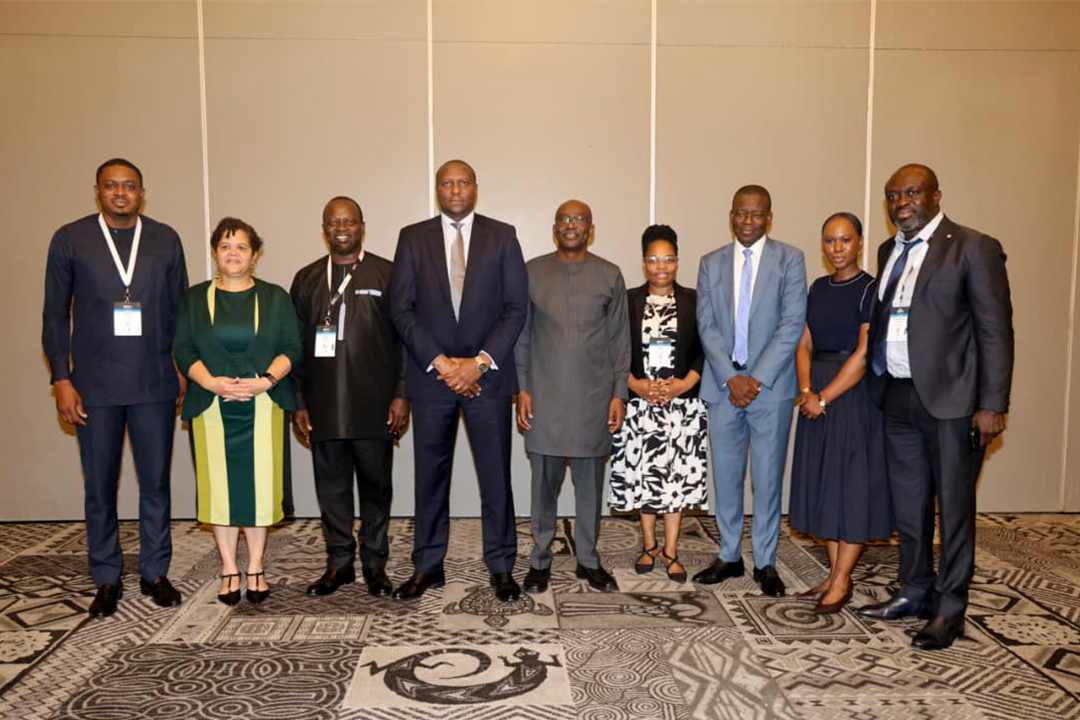
The Prime Minister held bilateral engagements with GNPC management in Accra, Ghana, today, September 1, 2026, where the discussions centred on lessons Eswatini could draw from Ghana’s experience in developing and managing its petroleum industry.
The GNPC delegation was led by Chief Executive Officer Kwame Ntow Amoah.
The engagement could eventually pave the way for a Memorandum of Understanding (MoU) between GNPC and ENPC, creating a formal framework through which the two national petroleum companies could cooperate, exchange expertise and explore areas of mutual interest.

For Eswatini, the talks represent more than a diplomatic engagement. They offer ENPC an opportunity to learn directly from an established African national oil company with decades of experience participating in petroleum exploration, development, production and related commercial activities.
Dlamini and his delegation used the meeting to gain deeper insights into GNPC’s operations, institutional development and experience in managing Ghana’s petroleum interests.
The discussions were particularly focused on identifying practical lessons that could assist Eswatini in strengthening the capacity, systems and operations of ENPC as the country continues developing its national energy institutions.
Dlamini encouraged GNPC management to establish direct engagement with officials from ENPC so that technical knowledge, institutional experience and expertise could be shared between the two entities.
Such engagement could expose Eswatini officials to some of the systems and approaches used by Ghana in building a national petroleum company capable of representing state interests within the energy sector.
It could also create opportunities for technical cooperation, professional development, institutional strengthening and the exchange of experience on the commercial management of petroleum-related activities.
GNPC welcomed the proposed engagement with ENPC and indicated that discussions between the two organisations could eventually culminate in the signing of an MoU.
Such an agreement would establish a structured framework for cooperation and potentially allow the two state-owned companies to identify specific programmes and projects where they could work together.
The development comes at a time when Eswatini is placing increasing emphasis on strengthening energy security, improving institutional capacity and reducing vulnerabilities associated with dependence on external energy supplies.
Petroleum products remain critical to the everyday functioning of the economy.
They fuel public transport, private vehicles, agriculture, construction, manufacturing, logistics and numerous businesses across the country. Improving the institutional strength of ENPC could therefore have broader implications for national economic resilience and energy planning.
A stronger ENPC would also place the country in a better position to develop expertise in areas such as petroleum supply management, storage, infrastructure planning, commercial operations and long-term energy security.
The Ghana engagement therefore provides an important opportunity for Eswatini to learn from another African country rather than relying entirely on models developed outside the continent.
Ghana has built considerable institutional experience within the petroleum industry since the discovery and subsequent commercial development of major offshore oil resources.
GNPC occupies a central position in that industry.
As Ghana’s national oil company, the corporation is responsible for participating on behalf of the state in the exploration, development and production of petroleum resources.
It also participates in related commercial activities within Ghana’s petroleum sector and is wholly owned by the Government of the Republic of Ghana.
For ENPC, access to such experience could assist the institution in avoiding costly learning curves while adopting approaches that have already been tested elsewhere on the continent.
Knowledge-sharing partnerships between national companies can also provide developing economies with practical solutions suited to African operating environments.
The Prime Minister’s intervention further signals Government’s intention to use international engagements not only to strengthen diplomatic relations but also to identify partnerships capable of producing tangible economic and institutional benefits for Eswatini.
Instead of limiting the Ghana visit to political engagements, the meeting with GNPC placed technical cooperation and national capacity-building firmly on the agenda.
Should the proposed cooperation progress into an MoU, officials from ENPC and GNPC would be expected to identify specific areas where expertise can be exchanged and where both organisations could derive mutual benefit.
The partnership could become another building block in Eswatini’s broader efforts to strengthen its energy sector and develop institutions capable of supporting the country’s long-term economic development.
For ordinary emaSwati, the significance of such cooperation ultimately lies in whether stronger national energy institutions can contribute to improved petroleum security, greater efficiency and more resilient supply systems.
While the discussions remain at an exploratory stage, GNPC’s willingness to deepen engagement with ENPC creates a promising pathway towards a long-term strategic relationship between the two institutions.
The Accra meeting therefore marks an important opening for Eswatini to tap into Ghana’s petroleum experience while strengthening ENPC’s ability to play an increasingly strategic role in the Kingdom’s energy future.
(Courtesy Pic)