


BY PHUMELELE GAMEDZE
MBABANE– Eswatini innovators and entrepreneurs have been challenged to develop digital solutions that could make cross-border trade easier, faster and more accessible for African Micro, Small and Medium Enterprises (MSMEs).
The call comes from the Royal Science and Technology Park (RSTP) through the AfCFTA Innovation Challenge, which seeks home-grown technological solutions to some of the challenges limiting intra African trade.
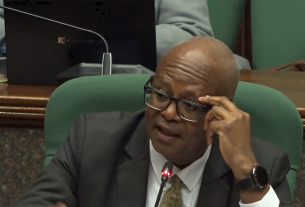
Speaking during MarketView ERS Tax Talk, RSTP Communications Officer Senzo Malaza said the initiative presents a major opportunity for African innovators, particularly young people, to develop solutions that can help make the African Continental Free Trade Area (AfCFTA) work more effectively for businesses.
Malaza said the initiative is centred on finding African solutions to African challenges, particularly where technology can help remove barriers to trade between countries.

He said Eswatini is among the countries with the opportunity to participate, giving local innovators a chance to develop ideas that could potentially be used across the continent.
The challenge is not simply looking for another online marketplace, but for solutions that can connect different parts of the trading process.
Malaza said innovators could consider solutions that bring together e-commerce, payments and logistics, allowing a trader to market a product, receive payment from a buyer in another African country and have the product delivered.
He said such solutions should not leave users midway through a transaction.
For example, a platform that allows a business to advertise products across Africa but does not provide a way for the buyer to complete the purchase would not fully address the problem.
Interoperability with existing fintech and other digital systems is therefore an important requirement.
Malaza encouraged innovators to think about how their solutions can connect with systems already operating in different African countries, rather than creating technology that works only within Eswatini.
The challenge is open to African innovators, with young people particularly encouraged to participate.
Malaza said young people have an important role to play in shaping the continent’s technological and economic future.
Beyond exposure and networking, successful innovators could also have an opportunity to commercialise their solutions.
He explained that a viable platform could potentially generate income through transaction-based models, allowing innovators to benefit financially from intellectual property that solves a real business problem.
For RSTP, supporting innovators does not end with identifying an idea.
Through its business incubation programme, the Science and Technology Park can assist innovators in understanding the business side of their solutions, including entrepreneurship and commercialisation.
Malaza noted that a person may have strong technical skills, such as software development, without necessarily having the business knowledge needed to turn that technology into a sustainable enterprise.
RSTP’s networks, including its membership in AfriLabs, also provide access to information about continental opportunities that can be shared with local innovators.
With applications closing on 4 September 2026, Malaza encouraged Emaswati with innovative ideas to look beyond the local market and consider how their technology could serve businesses across Africa.
The challenge could ultimately give an Eswatini-born innovation an opportunity to move from a local idea into a solution capable of supporting cross-border trade across the continent.
#EswatiniInnovators #AfCFTA #DigitalTrade #RSTP
(Courtesy Pic)