



BY NOXOLO DLAMINI
PIGGS PEAK-The Kingdom of Eswatini has joined other African countries in strengthening disaster preparedness and climate resilience at the International Conference on Disaster Risk Reduction and Resilience in Africa, currently taking place in Maputo, Mozambique, where regional leaders are calling for greater investment in preventing disasters before they strike.
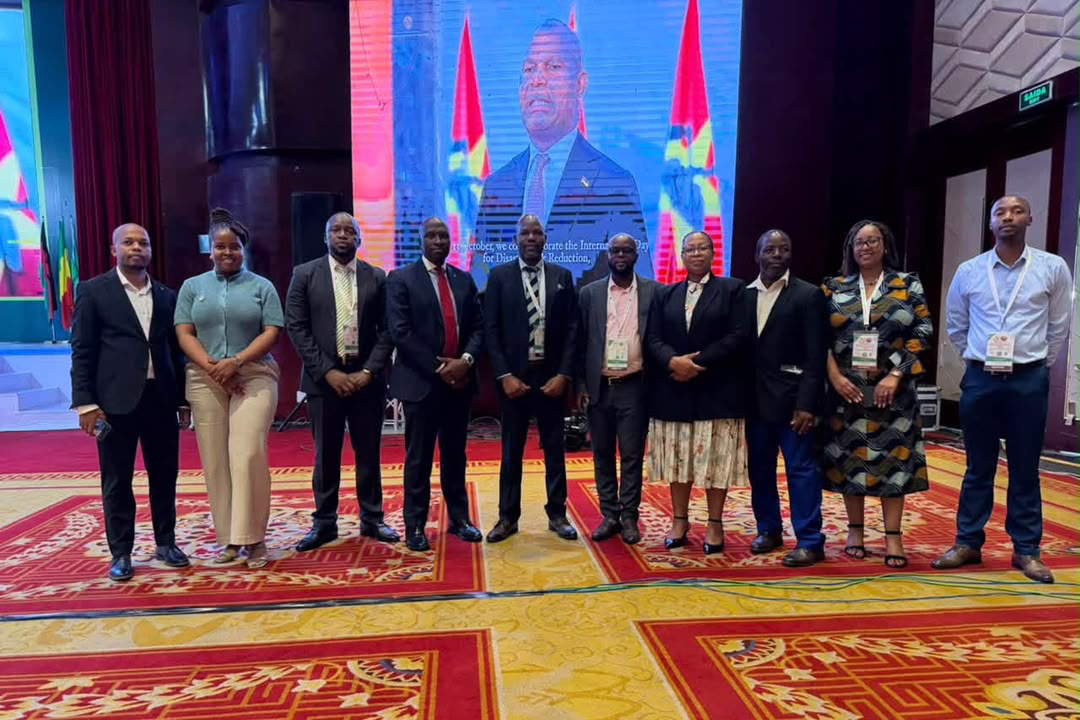
Led by Deputy Prime Minister Senator Thulisile Dladla, Eswatini’s delegation comprises representatives from relevant institutions and stakeholders working to advance disaster risk management and resilience. The National Disaster Risk Management Agency (NDRMA) is participating in discussions aimed at strengthening early warning systems, improving preparedness and developing sustainable solutions to the growing threat of climate-related disasters.
The conference brings together African leaders, disaster management authorities, regional institutions and development partners to explore practical strategies for addressing hazards such as floods, tropical cyclones and droughts, which continue to threaten lives, livelihoods and infrastructure across the continent.
In his address, Mozambican President Daniel Chapo emphasised the importance of community-based preparedness, early warning systems and local disaster risk management structures in protecting lives and reducing the impact of disasters.

He highlighted Mozambique’s network of more than 1,500 Local Disaster Risk Management Committees, which play a crucial role in alerting communities and facilitating evacuations ahead of impending hazards.
The approach demonstrates the importance of involving communities directly in disaster preparedness, particularly in areas vulnerable to extreme weather events.
Representing the African Union Commission, Moses Vilakati called for stronger implementation of commitments on disaster risk reduction, while the Southern African Development Community (SADC) emphasised the need for countries to shift from reacting to disasters towards anticipating risks and investing in preparedness.
The conference also witnessed the launch of the Fourth Africa Biennial Report on Disaster Risk Reduction, 2023–2024, which highlights the significant impact of disasters across Africa and underscores the need for increased investment in prevention, resilient infrastructure, early warning systems and disaster risk financing.
The report places emphasis on strengthening measures that enable countries to identify potential hazards, prepare communities and reduce losses before disasters occur.
For Eswatini, participation in the continental gathering provides an opportunity for the NDRMA to exchange experiences with other countries, contribute to technical discussions and explore strategies that could strengthen the Kingdom’s disaster management systems.
Over the coming days, the Eswatini delegation is expected to engage in discussions on disaster preparedness, climate resilience, early warning systems and sustainable financing, while exploring practical approaches to improving the country’s capacity to manage disaster risks.
The conference is expected to conclude with recommendations and commitments aimed at advancing disaster risk reduction and resilience across Africa.
As climate-related hazards continue to pose challenges to communities and national development, the discussions in Maputo underscore the importance of coordinated action, adequate financing and stronger preparedness systems to protect lives and build more resilient communities.
#Eswatini #DisasterRiskReduction #ClimateResilience #NDRMA #AfricaResilience #DisasterPreparedness #MaputoConference #EarlyWarningSystems
(Courtesy Pic)