



BY NOXOLO DLAMINI
PIGGS PEAK- The Sebenta National Institute Act 2026 could open new opportunities for emaSwati to have skills acquired outside formal education recognised, as Mbabane East Member of Parliament Welcome Dlamini highlights the legislation’s significance in strengthening the country’s education and vocational training system.
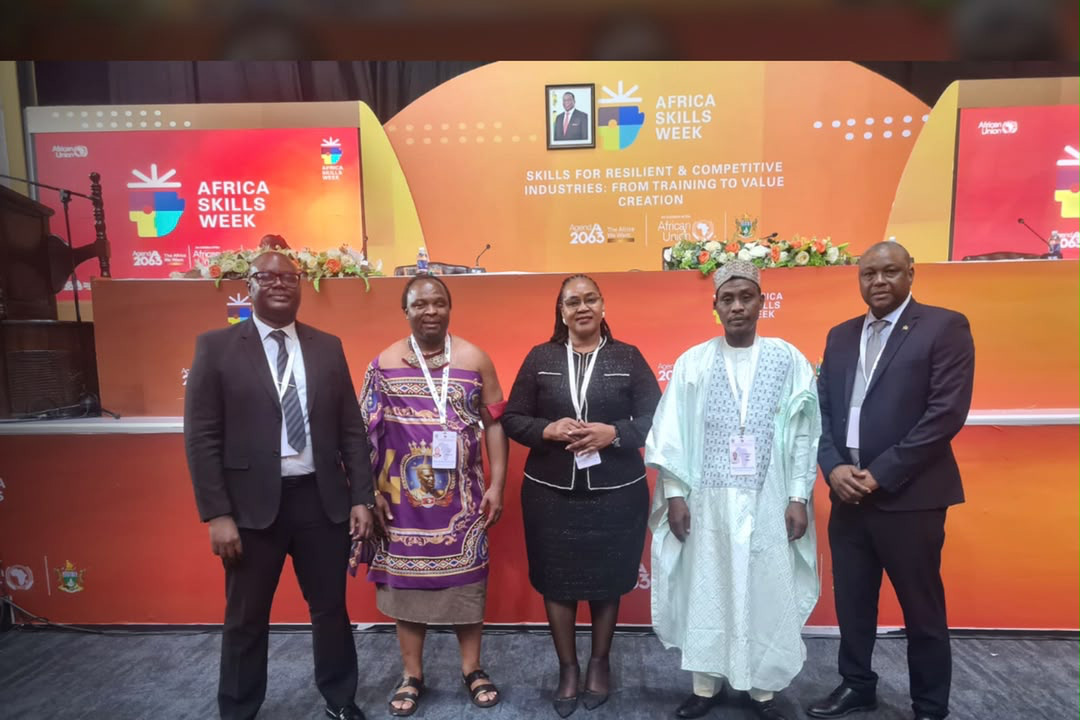
Dlamini made the remarks in Zimbabwe during Africa Skills Week 2026, where he addressed the role of national parliaments in translating African Union education and technical and vocational education and training (TVET) strategies into national laws.
Speaking as Chairperson of the Pan-African Parliament Committee on Education, Tourism, Culture and Human Rights and leader of the committee’s delegation, Dlamini cited the Sebenta legislation as an example of how national laws can strengthen educational institutions and expand opportunities for people whose skills have been acquired outside conventional classrooms.
He said the legislation was particularly important because people could acquire valuable competencies through work experience, informal apprenticeships and community-based learning without receiving formal qualifications.
STRENGTHENING SEBENTA’S ROLE
Dlamini explained that institutions such as Sebenta play an important role in providing alternative learning pathways for people who may have missed out on conventional schooling.
He said a clear legal framework was essential for strengthening institutional governance, improving quality standards and ensuring that education and training programmes responded to the needs of learners and the labour market.
The recognition of prior learning could be particularly significant for adults and young people who possess practical skills but lack certificates to demonstrate their abilities to employers or training institutions.
Through appropriate assessment and certification mechanisms, such skills could potentially be recognized, enabling individuals to pursue further training and improve their employment prospects.
The proposed Sebenta legislation also seeks to establish the institute as a statutory body and strengthen oversight of non-formal education providers.
PARLIAMENT’S ROLE IN EDUCATION REFORM
Dlamini’s remarks formed part of a broader call for African parliaments to ensure that education policies are supported by effective legislation, sustainable financing and continuous oversight.
He said Eswatini’s experience demonstrated the importance of giving institutions clear legal mandates while ensuring that people who acquire skills outside formal education systems are not excluded from opportunities for advancement.
He further emphasised that parliamentary responsibility continues beyond the passage of legislation, with committees expected to monitor implementation, budget execution and institutional performance.
His contribution at Africa Skills Week 2026 placed the recognition of prior learning within the wider continental agenda of improving access to education, strengthening vocational training and preparing young people for employment.
For emaSwati who have developed skills through experience rather than formal schooling, the proposed reforms could represent an important step towards having their competencies recognised and creating pathways to further learning and work.
#EswatiniPositiveNews #SebentaNationalInstitute #WelcomeDlamini #EducationReform #SkillsDevelopment #RecognitionOfPriorLearning #TVET #AfricaSkillsWeek2026
(Courtesy Pic)