


BY THEMBA ZWANE
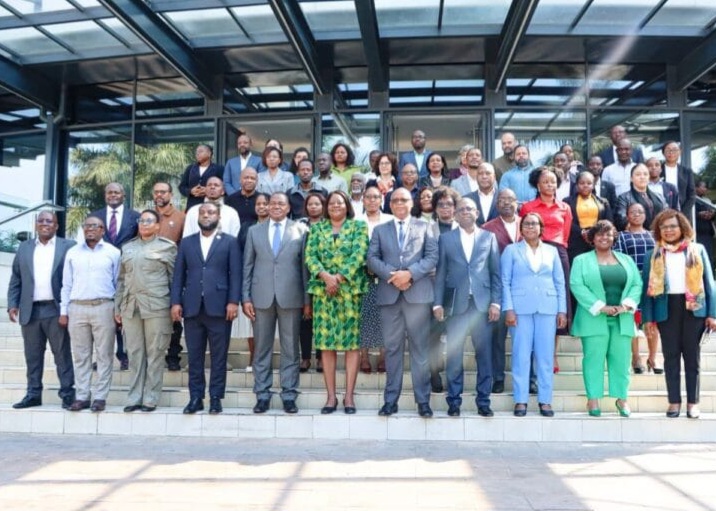
MBABANE – Eswatini has joined Mozambique, South Africa, Zimbabwe, Zambia, Tanzania, the Southern African Development Community (SADC), conservation organisations and cooperation partners for a national dialogue on the management of transboundary conservation areas in Maputo, Mozambique.
The dialogue brings together countries that share conservation landscapes and ecological corridors, with discussions focusing on strengthening cooperation in managing wildlife, conservation areas and communities living around protected areas.
Eswatini’s participation places the Kingdom among regional countries seeking coordinated approaches to conservation, particularly in areas where wildlife and human settlements cross national boundaries.
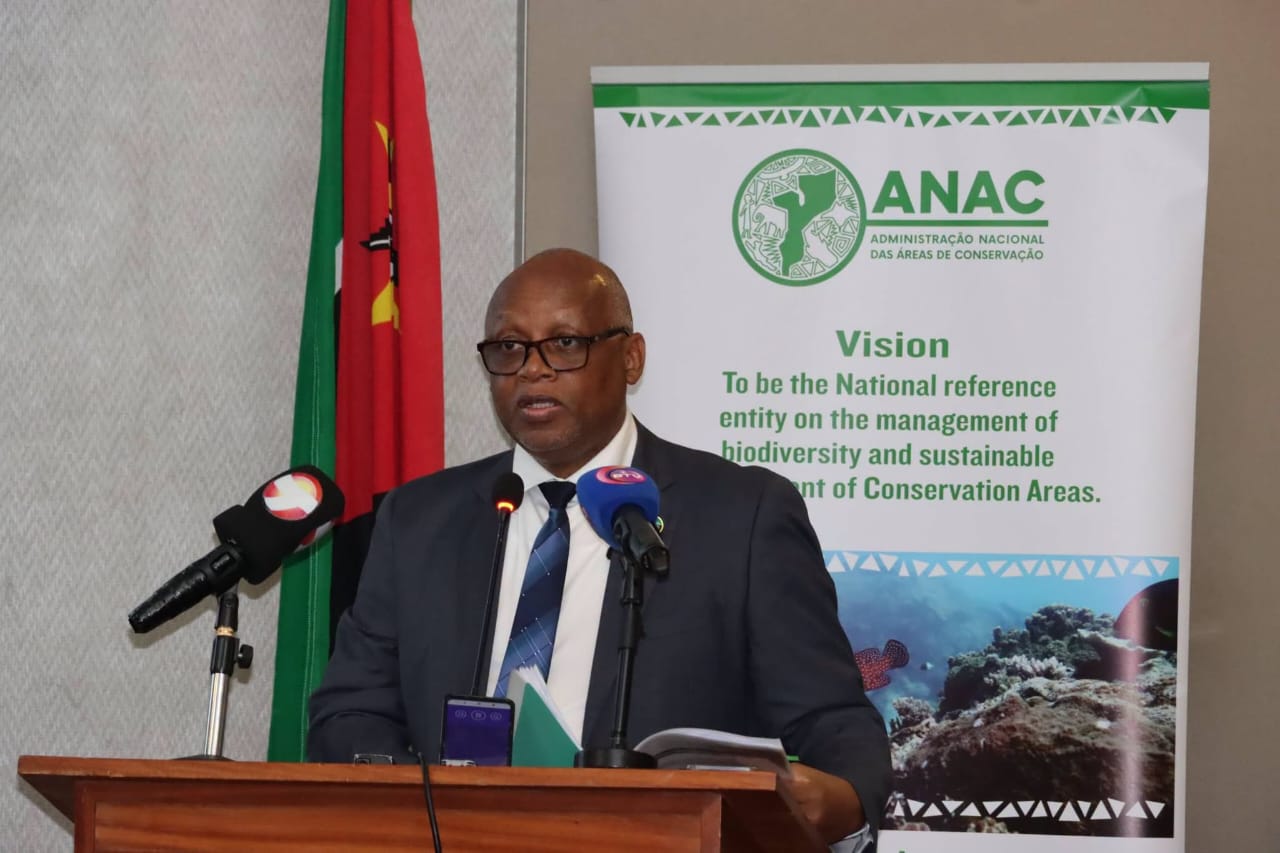
The Maputo meeting was opened by Mozambique’s Secretary of State for Land and Environment Gustavo Djedje, who outlined a number of policy measures his government is considering as part of a review of its national conservation policy.

Among the measures under consideration is the selective culling of wildlife in conservation areas where animal populations have grown to levels considered excessive.
Djedje said Mozambique was preparing a decree that would regulate the process and allow wildlife populations to be managed in selected protected areas.
The proposed measure is intended to address increasing human-wildlife conflict while maintaining ecological balance and ensuring that communities living alongside conservation areas benefit from wildlife resources.
“We are thinking that this will also be a way of mitigating human-wildlife conflict, but it will also be a way for communities themselves to benefit from the resources that they have been fighting to preserve,” Djedje told journalists.
The issue of human-wildlife conflict is particularly significant for countries participating in transboundary conservation initiatives because wildlife does not recognise political boundaries.
Mozambique is currently part of five SADC transboundary conservation areas, including the Lubombo Transfrontier Conservation Area, which brings together Mozambique, South Africa and Eswatini.
The Lubombo conservation area is therefore among the regional initiatives where cooperation between Eswatini and neighbouring countries is important for the management of biodiversity and ecological corridors.
The Maputo dialogue is also looking at the need to ensure that conservation policies respond to changing population patterns and economic activities around protected areas.
Djedje said Mozambique was undertaking a reclassification of its conservation areas to update boundaries that were established in the 1960s.
According to the official, population growth and the expansion of economic activities have changed the occupation of some areas, making it necessary to review the boundaries.
He said Mozambique would maintain the same number of parks, reserves, hunting areas and community conservation areas, but would update their size and actual occupation.
The first results of the reclassification exercise are expected to be presented from September.
Another major issue raised during the dialogue was the growth of wildlife populations following increased conservation and anti-poaching efforts.
Djedje said Mozambique’s latest national census recorded 22,708 elephants.
While the increase was presented as evidence of progress in conservation and anti-poaching efforts, the official acknowledged that growing wildlife populations also presented challenges for communities living close to protected areas.
“The growth in wildlife numbers shows, on the one hand, the great efforts the country has made to protect this resource, but it also highlights a major challenge in managing this animal,” he said.
For Eswatini and other participating countries, the dialogue provides a platform to exchange experiences and strengthen regional cooperation in managing shared conservation landscapes.
The meeting also places emphasis on the role of communities in conservation, with Mozambique arguing that conservation efforts must deliver tangible economic benefits to people living around protected areas.
“The main element of conservation is the community itself that lives around the parks,” Djedje said.
The regional dialogue comes as SADC countries continue to promote transboundary conservation areas as a means of jointly managing biodiversity, wildlife populations and ecological corridors that extend across national borders.
Besides Lubombo, Mozambique participates in the Great Limpopo Transfrontier Conservation Area with South Africa and Zimbabwe, the Chimanimani Transfrontier Conservation Area with Zimbabwe, the Niassa-Selous Transfrontier Conservation Area with Tanzania, and the ZIMOZA Transfrontier Conservation Area with Zambia and Zimbabwe.
Eswatini’s participation in the Maputo dialogue consequently reinforces the Kingdom’s engagement in regional conservation initiatives and discussions aimed at improving the management of shared ecosystems across Southern Africa.
#Eswatini #SADC #RegionalConservation #Maputo #Government #NationalDialogue