




BY MBONGENI NDLELA
EZULWINI – Prime Minister Russell Mmiso Dlamini says Eswatini has made significant strides in addressing gaps in HIV service delivery.

Despite this success, the PM said the targets have stayed the same because specific sub-populations, e.g. key populations and adolescents, have yet to reach these targets.
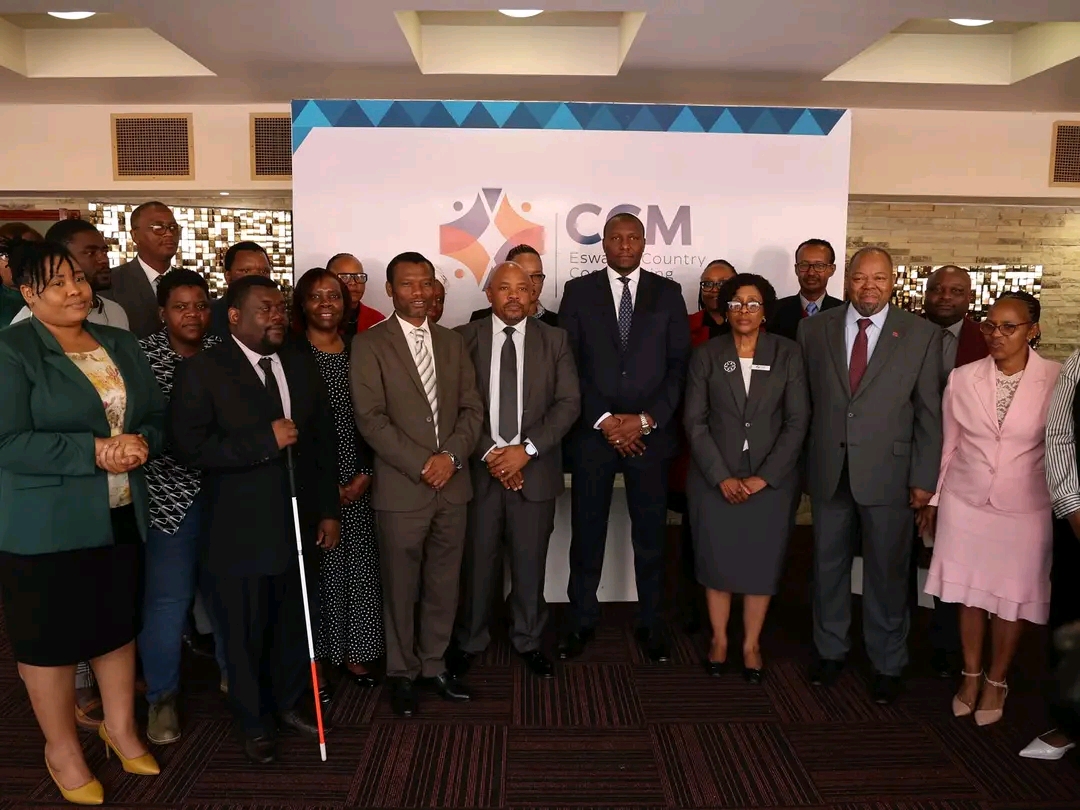
Speaking during the official launch of the 2023-2026 Eswatini Country Coordinating Mechanism in Ezulwini, the premier stated that according to the SHIMS 2021 report, 94 percent of people living with HIV know their HIV status; of these, 97 percent of them are on ARVs, and 96 percent of them are virally suppressed.
He said for Tuberculosis, the government has taken a leadership role in providing quality TB services and has also ensured a conducive environment to attract partners to support the response.
He disclosed that in the current fiscal year, Government has committed over E20 million to the TB Response.

This amount includes 15 million emalangeni for TB drugs and medical supplies and over E3 million to cover salaries for staff in the TB Programme, he said.
“This support has made a difference where TB in Eswatini has been noted to be caused by some key drivers such as HIV, malnutrition, alcohol abuse disorders, diabetes, and smoking,” he said.
He continued: “In the past two years, the TB incidence reduced from 348/100,000 in 2022 to 325/100,000 population in 2023. There has been a five percent decline in notified TB cases from 2,475 in 2022 to 2,358 in 2023. Also, in 2023 the health system achieved a treatment success rate of 83 percent among notified TB cases,” he said.
The PM further disclosed that the proportion of patients who died due to TB also declined from 13 percent in 2022 to 10 percent currently.
“However, this is still very high when compared to the country’s target of less than five percent. Moreover, Eswatini is still among the 30 highest TB/HIV-burdened countries in the world, with a TB/HIV co-infection rate of 65 percent. This is an indication that even though major strides have been made, there is still a significant amount of work that remains in the TB response; hence the Ministry has developed a new TB strategy for the next five years,” he said.
He continued: “The new Strategy is anchored on innovation, best practices, research, and global recommendations for TB prevention, Diagnosis, and Treatment. It is also patient-centered, hence charged with the effort to diagnose more TB cases and treat all patients successfully, thereby reducing both TB incidence and mortality. Key interventions that will be implemented under this strategy entail vigorous approaches for finding TB cases, to reach the target of 90 percent treatment coverage and treatment success rate among all forms of TB by
