



BY LINDELWA MYENI
MBABANE— Eswatini has launched its national Gender and Biodiversity Plan of Action (2026–2030) to integrate gender equality directly into environmental conservation strategies.
Led by the Eswatini National Trust Commission, the initiative strengthens the country’s National Biodiversity Strategy and Action Plan while supporting international targets under the Kunming-Montreal Global Biodiversity Framework.
The new plan was developed through extensive field consultations across 14 rural communities, including Masibini, Shewula, and Lomahasha. These discussions allowed project teams to gather crucial evidence on how women, men, youth, and persons with disabilities interact with local ecosystems. Regulatory teams also partnered with the Ministry of Tinkhundla Administration and Development to collect sex-disaggregated data on community governance and environmental management.
The initiative directly addresses key challenges identified during the national assessment, such as the underrepresentation of women in traditional leadership, workplace barriers in the conservation sector, and limited access to land. Moving forward, the framework focuses on embedding gender considerations into the initial design of environmental projects, supporting women into leadership roles, establishing safe workplace policies, and linking conservation efforts with local economic development to tackle poverty.
This comprehensive effort unites a wide network of national partners, including the Ministry of Tourism and Environmental Affairs, the Eswatini Environment Authority, the Deputy Prime Minister’s Office, CANGO, UNDP Eswatini, PELUM Eswatini, and the Woman Farmer Foundation.
By combining community input with national policy, Eswatini is establishing a practical foundation for inclusive and sustainable environmental governance.
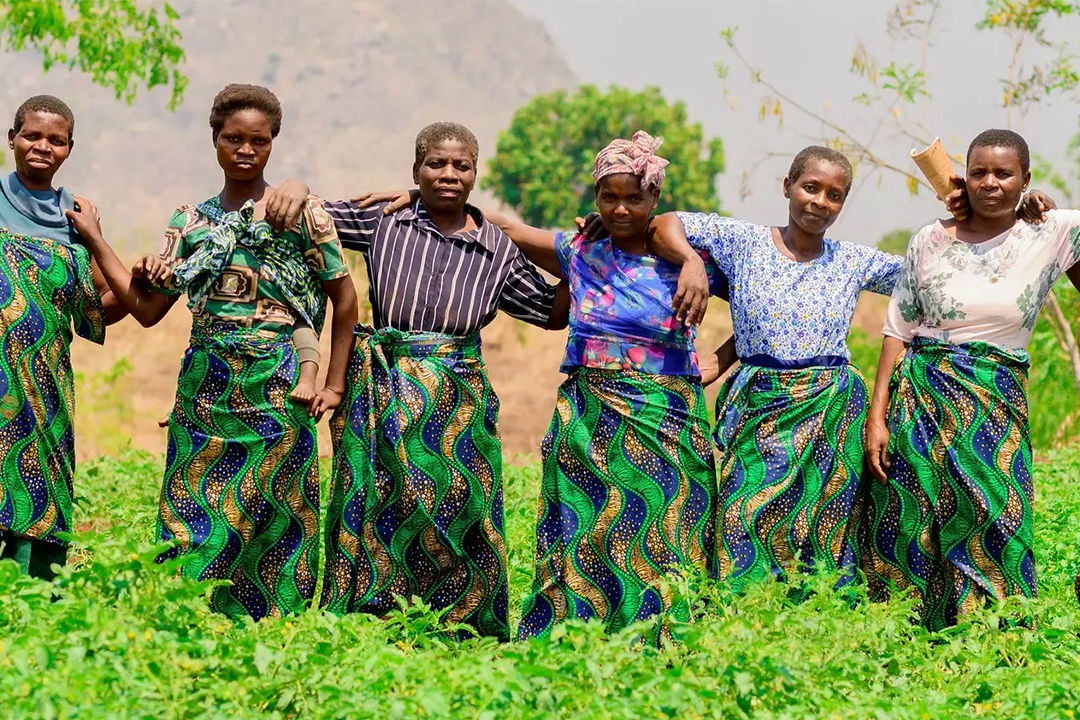
(Featured Image By: UN Women)