



BY MFANUFIKILE KHATHWANE
LOBAMBA – Eswatini Railway has rolled out a comprehensive digital fuel management and security system aimed at ending years of fuel losses, following concerns raised in the Auditor General’s report over soaring fuel expenditure and suspected theft.
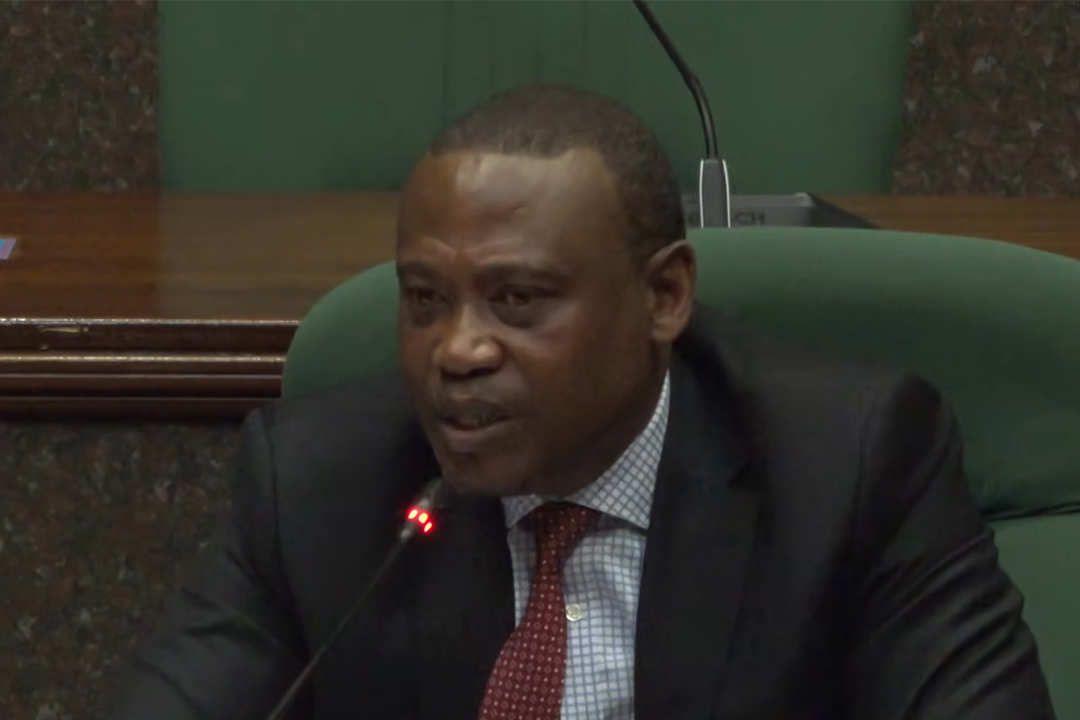
The measures were outlined on July 6,2026 during a sitting of Parliament’s Public Accounts Committee (PAC), chaired by Deputy Speaker Madala Mhlanga, as the committee examined the Auditor General’s Financial Audit Report for the year ended March 31, 2024.
Acting Auditor General Mpumelelo Matimelane told the committee that fuel expenditure had risen sharply over the past three financial years. The report showed fuel costs increased from E11.9 million in 2022 to E36 million in 2023 before climbing to E44 million in 2024 an overall increase of E32 million, or 268 per cent, over the period.
The audit also highlighted concerns over operating costs, prompting the committee to seek explanations from Eswatini Railway management.

Responding to the findings, Eswatini Railway Chief Executive Officer and Controlling Officer Nixon Dlamini said the organisation had undertaken sweeping reforms to strengthen accountability and eliminate opportunities for fuel theft.
He said the railway had moved away from manual systems, which made it difficult to track fuel usage and contributed to missing records, by introducing a modern fuel management system and fleet management technology.
Dlamini said fuel storage facilities had also been upgraded with automated digital fuel sensors capable of monitoring fuel levels in real time. In addition, trains are now fitted with GPS tracking devices that monitor movement throughout each journey, while surveillance cameras have been installed to improve oversight.
He said the organisation had also appointed dedicated personnel to oversee fuel approvals and orders, while new procurement procedures had been introduced to tighten internal controls.
The CEO revealed that those involved in fuel theft had also changed their methods. Whereas fuel was previously siphoned using pumps while trains were stationary, criminals now target locomotives while engines are running, allowing them to steal fuel more quickly and avoid detection.
To combat the evolving criminal tactics, Dlamini said Eswatini Railway was working closely with the Umbutfo Eswatini Defence Force (UEDF), whose members have been deployed to patrol railway lines. The organisation is also cultivating community informants to report suspicious activities along the rail corridor.
PAC member Ntando Mkhonta questioned whether external auditors should have detected the weaknesses earlier, arguing that some of the issues highlighted by the Auditor General appeared to have existed for several years.
Agrippa Dlamini, Member of Parliament for Gege, also sought clarity on measures being implemented to dismantle the fuel theft syndicates operating along the railway network.
PAC member Sifiso Shabalala welcomed the reforms introduced by management, describing the strengthened controls as encouraging. He also questioned how control stations respond when trains stop at unauthorised locations and expressed confidence that the new systems would significantly reduce fuel losses.
Eswatini Railway has in recent months intensified its fight against organised fuel theft after forensic investigations uncovered an extensive syndicate involving employees and external accomplices that allegedly operated for years.
The crackdown has resulted in arrests, employee suspensions and prosecutions, while assets believed to have been acquired through proceeds of crime have been seized under the Prevention of Organised Crime Act.
The latest technological upgrades and strengthened security measures form part of the railway’s broader strategy to safeguard public resources and restore confidence in its operations.
#EswatiniRailway #PublicAccountsCommittee #AuditorGeneral #FuelManagement