BY MBONO MDLULI
MBABANE – The Kingdom of Eswatini has taken a step towards fostering national unity and inclusivity by inviting religious leaders from all denominations to participate in the development of the country’s first comprehensive policy governing religious institutions.
This move signals a renewed commitment to recognising the diversity of faiths within the nation and ensuring that all voices are represented in shaping policies that affect religious life.
The Ministry of Home Affairs announced that it would host two key stakeholder meetings next week, bringing together representatives from Christian, Islamic, Hindu, Jewish, African traditional, Bahá’í, Rastafarian, Zion Christian Church (ZCC), Shembe, Jehovah’s Witnesses, and other faith communities. The consultations are designed to encourage dialogue, promote mutual understanding, and establish a framework in which all religious beliefs are equally respected.
According to the Ministry, the policy initiative comes in response to the increasing number of religious groups in Eswatini and the pressing need for clear, fair, and inclusive policy guidelines. The aim is to support freedom of worship, facilitate peaceful coexistence, and guide the responsible registration and operation of religious organisations. In a country where faith plays a central role in community life, officials say a well-structured policy is vital for promoting social harmony and preventing conflicts rooted in religious differences.

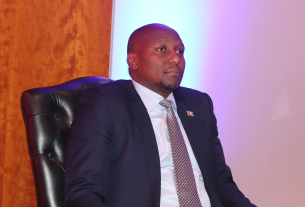
Principal Secretary N.R. Nxumalo emphasised that the policy-making process must include those it will affect directly. “We are committed to creating an inclusive framework that respects and accommodates the diverse beliefs and practices within the eSwatini nation,” Nxumalo stated in an official release. He noted that the government views this consultation as an opportunity not only to standardise operations and registrations but also to strengthen the role of faith in national development and social cohesion.
The initiative has already generated widespread interest among faith leaders and civil society organisations. Many have welcomed the move as a long-overdue effort to formalise the relationship between the government and religious institutions. Faith leaders participating in the meetings will have the opportunity to present their perspectives on issues such as religious education, community outreach, public celebrations, and interfaith collaboration, all of which are expected to inform the final policy.
Experts in governance and religious studies have highlighted that Eswatini’s approach could serve as a model for other countries in the region seeking to balance freedom of religion with national cohesion. Inclusive policymaking, they argue, not only safeguards individual rights but also strengthens the social fabric by fostering dialogue, mutual respect, and cooperation across communities.
As Eswatini embarks on this historic process, citizens and faith-based organisations alike are being called upon to actively participate and contribute ideas. The Ministry of Home Affairs has assured the public that the consultation process will be transparent and that the resulting policy will reflect the collective input of the nation’s diverse religious communities.
With these consultations, Eswatini is taking a decisive step towards a future in which religious pluralism is recognised, respected, and integrated into the country’s governance framework—a move that could have lasting impacts on national unity and social harmony.
( Courtesy Pic)