


BY GCWALISILE MHLABANE
MANZINI– Eswatini aims to make teaching a first-choice career, reward excellence in the classroom and ensure pupils across the country have access to qualified teachers by 2034, as Government sets out its vision for a more skilled, fairly deployed and digitally prepared teaching workforce.
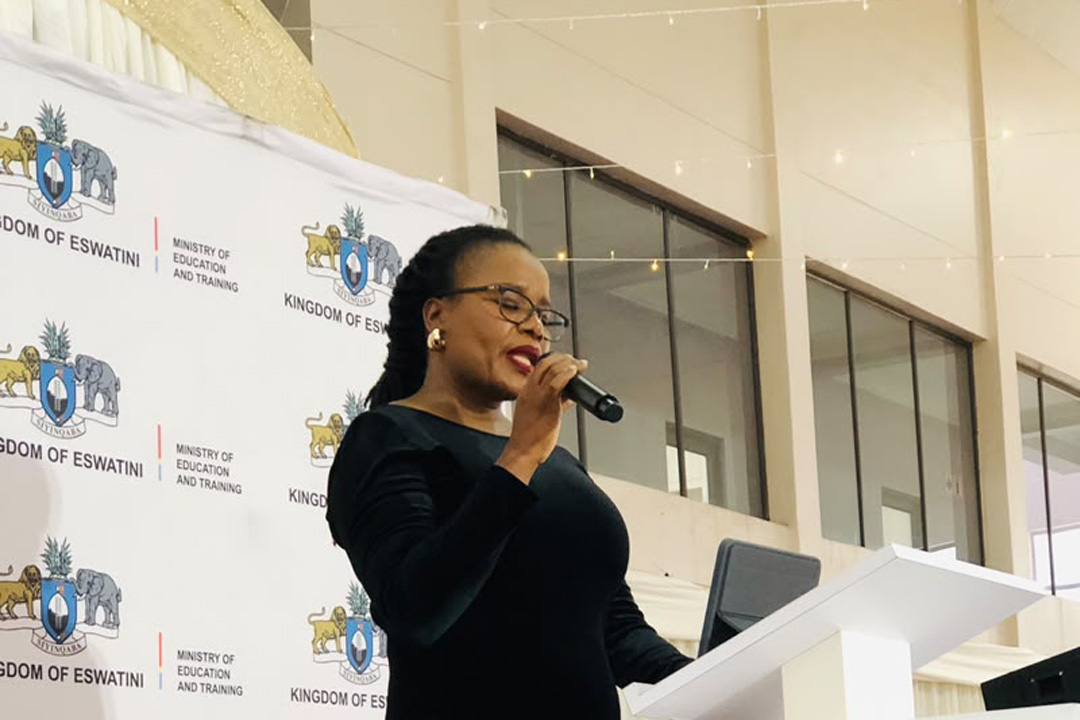
Director of Education Dr Tholakele Mngomezulu-Dlamini said achieving these ambitions would require stronger career pathways, continuous professional development, improved teacher welfare and greater use of technology in education.
She outlined the vision during the National Teachers’ Day Commemoration and National Teachers’ Awards at the Metropolitan Evangelical Church in Manzini on Friday, October 9, 2026, linking the aspirations to the country’s Education Sector Strategic Plan and the African Union’s Decade of Education and Skills Development.
Dr Mngomezulu-Dlamini said teaching needed to become a career of choice for high-performing young people, particularly those with strengths in mathematics, science and information and communication technology. This would require stronger entry standards, attractive career pathways and a public image that reflects the profession’s importance.

She said teachers should also be able to advance professionally and earn more through excellence in the classroom, without having to leave teaching for management positions.
Under this vision, experienced educators could progress into roles such as master teachers, mentors and subject leaders based on their competence and professional growth.
Equitable access to qualified teachers was another priority, with Dr Mngomezulu-Dlamini stressing that a pupil’s location should not determine the quality of education they receive.
“A child in a remote school in Shiselweni or Lubombo deserves the same quality of teacher as a child in Mbabane or Manzini,” she said.
She said better teacher deployment, workforce planning and appropriate incentives for underserved areas would help address disparities between rural and urban schools.
Eswatini also aims to align its teacher qualifications and professional standards with continental frameworks, allowing local qualifications to gain wider recognition and creating opportunities for cooperation with other African countries.
Dr Mngomezulu-Dlamini said continental initiatives, including the African Teacher Workforce Bank and the digital competency framework, could support workforce planning and prepare teachers for emerging demands.
Technology and artificial intelligence were also central to the country’s ambitions. She said teachers needed the skills and resources to use these tools ethically and creatively, while ensuring that pupils in rural areas were not left behind.
“Artificial intelligence will not replace the teacher. But teachers who know how to use it wisely will open doors for their learners that we can barely imagine today,” she said.
Beyond professional skills, Dr Mngomezulu-Dlamini said the future of teaching depended on protecting educators’ wellbeing, improving working conditions and ensuring their voices informed policies affecting the profession.
She said the wider education strategy depended on teachers to improve literacy and numeracy, promote inclusion and prepare pupils for future employment and responsible citizenship.
Teachers were particularly important in supporting pupils with disabilities, vulnerable children and those at risk of dropping out. Training in special and inclusive education, as well as gender-responsive teaching, would help educators respond to different learning needs.
The country’s competency-based curriculum, ambitions in science, technology, engineering and mathematics, and focus on green skills also require teachers to nurture critical thinking, creativity and the ability to adapt to new challenges.
Dr Mngomezulu-Dlamini said achieving the 2034 aspirations would require sustained investment in teacher preparation, professional development, fair deployment and welfare.
The vision places teachers at the centre of Eswatini’s education transformation, with the goal of ensuring that every pupil, regardless of background or location, has the opportunity to learn from a qualified and well-supported educator.