



BY GCWALISILE MHLABANE
MANZINI – Eswatini is strengthening healthcare delivery through the digitisation of health systems, a development expected to improve patient care, enhance medicines management and minimise stock shortages at health facilities across the country.
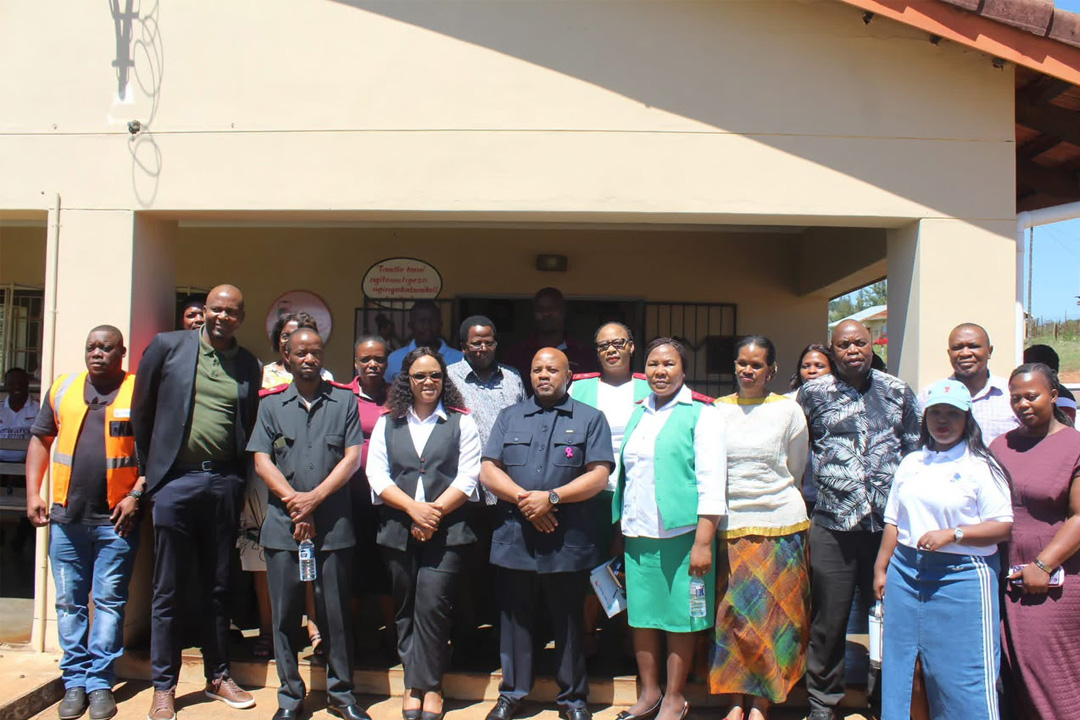
This was highlighted when Minister of Health Mduduzi Matsebula (MP), accompanied by senior ministry officials, the Palladium Country Director and other partners supporting the digitisation project, visited Hhukwini Clinic, on October 18, 2026, to assess progress in implementing digital health technologies.
The visit provided an opportunity for the minister and his delegation to observe how electronic systems are being used at facility level to improve the management of patient information, medical supplies and daily healthcare operations.
The initiative forms part of the country’s broader efforts to strengthen the health system through technology, ensuring that health workers and facility managers have access to reliable information to support decision-making and improve service delivery.

During the visit, the delegation was shown two key digital platforms, the Electronic Logistics Management Information System (eLMIS) and the Client Management Information System (CMIS), which are helping modernise the way health facilities manage medicines and patient records.
The eLMIS is designed to improve the management of medical commodities by providing electronic information on stock levels and supply chain operations.
Through the system, health facility managers can monitor available medicines and medical supplies more effectively, identify potential shortages and make informed decisions about procurement and replenishment.
This is expected to contribute towards reducing medicine stock-outs and minimising losses resulting from expired medical products, while supporting better planning and the efficient use of public resources.
The CMIS, on the other hand, supports the recording, storage and retrieval of patient information, enabling healthcare workers to access relevant records when providing services.
The system is intended to strengthen patient information management and support more coordinated healthcare delivery by making information easier to retrieve when needed.
Health Information Management Systems (HMIS Eswatini), a health programme within the Ministry of Health, is the technical lead responsible for the health information systems currently operating in 250 health facilities across the Kingdom of Eswatini.
The implementation of these systems represents an important step in the country’s efforts to improve the availability, accessibility and use of health information.
A key development is the interoperability of the systems, which allows different digital platforms to exchange information and work together to support patient management and healthcare delivery.
The progress is supported by collaboration among the Ministry of Health, the Ministry of Home Affairs (MoHA) and the Ministry of Information, Communications and Technology (MoICT).
The use of national identity numbers to uniquely identify patients is among the measures supporting the integration of health information systems, while the underlying digital infrastructure is anchored in the Ministry of ICT.
This cooperation highlights the importance of a coordinated government approach in building digital systems that respond to the needs of citizens and public institutions.
One of the key benefits of digitising health services is the potential to strengthen the management of medicines and other essential medical supplies. Accurate and timely stock information enables managers to identify products that are running low and plan procurement before shortages affect service delivery.
Similarly, improved visibility of stock movement can support better monitoring of medical commodities, helping facilities reduce wastage and strengthen accountability in the use of public resources.
For patients, improved medicines management can contribute towards more reliable access to essential treatments, while better patient information systems can support the delivery of more coordinated healthcare services.
As digital health systems continue to be implemented, their effectiveness will depend on consistent use by healthcare workers, reliable infrastructure and continued collaboration among the institutions responsible for supporting them.
The visit to Hhukwini Clinic demonstrated how digital transformation is being translated into practical applications within Eswatini’s healthcare facilities.
By introducing electronic platforms into routine clinic operations, the Ministry of Health is working towards strengthening efficiency, improving information management and supporting evidence-based decisions.
As Eswatini advances its digital health agenda, the objective is to ensure that technology contributes to accessible, efficient and quality healthcare for all citizens.
#DigitalHealth #HealthSystemsInnovation #HealthForAll #UniversalHealthCoverage #Eswatini
(Courtesy Pic)