




BY THEMBA ZWANE
MBABANE – Food and Agriculture Organisation of the United Nations (FAO) is working closely with the Kingdom of Eswatini government to strengthen food safety governance.
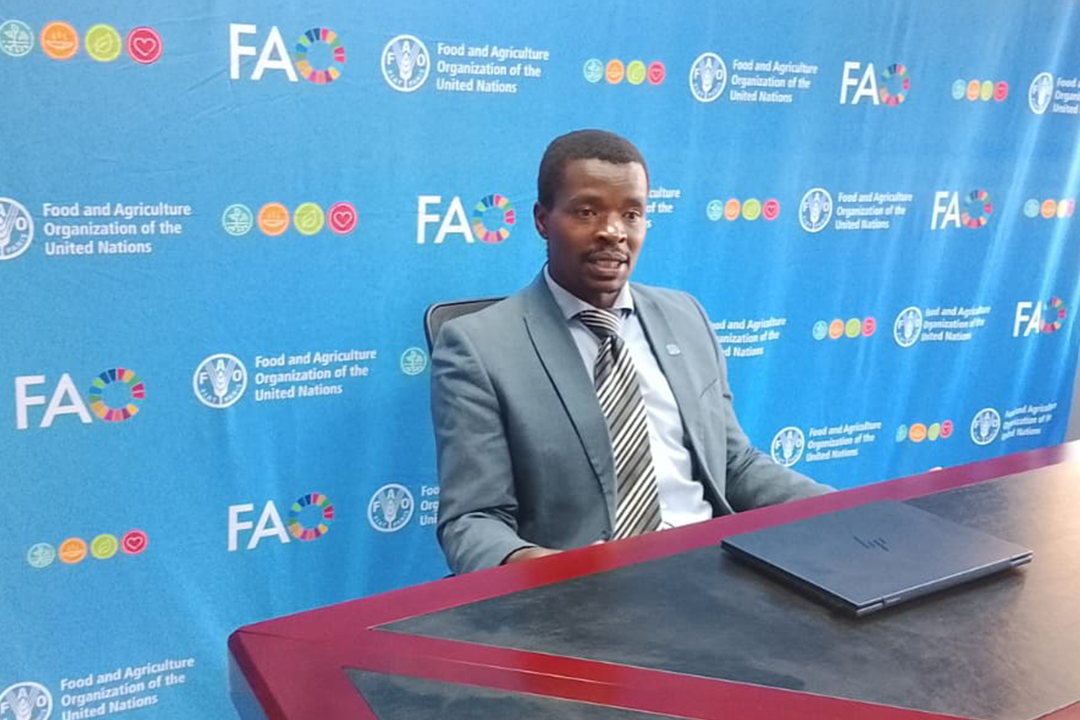
This transpired and was revealed by Assistant FAO Representative, Howard Mbuyisa, during a press briefing held by the organisation on June 8, 2026 at the FAO offices housed at the Ministry of Agriculture in Mbabane.
“Here in Eswatini, FAO is working closely with Government and national stakeholders to strengthen food safety governance. While country-specific estimates of the full foodborne disease burden remain limited, national health indicators show why prevention matters: Eswatini’s under-five mortality rate remains about 45 deaths per 1,000 live births, and child diarrhoea continues to be an important public health concern. These realities reinforce the need for stronger prevention, surveillance, regulation, and food safety awareness. Through the ACE Programme, FAO is supporting efforts to strengthen legislation, build institutional capacity, and improve implementation, compliance, and enforcement. This work recognises that effective food safety depends not only on sound laws, but also on capable institutions, clear mandates, and practical coordination across sectors,” he said.
Mbuyisa said FAO has also supported Eswatini to strengthen engagement in Codex and food safety standard-setting, while helping convene stakeholders from agriculture, health, regulatory bodies, and other institutions around a more coordinated, One Health approach. He said this was important because food safety risks often sit at the intersection of human health, animal health, plant health, trade, and the environment.

“Our call is: let us all play our part. Governments must invest in strong food control systems and effective coordination. Food businesses must apply good practices and build a culture of safety. Consumers must handle food safely and stay informed. Also, development partners must continue supporting country-led solutions. Together, we can reduce the burden of foodborne disease and ensure safe food everywhere,” Mbuyisa said.
He added that on this World Food Safety Day, FAO reaffirmed its commitment to work with the Kingdom of Eswatini and all partners to build agrifood systems that are more efficient, more inclusive, more resilient, and more sustainable — for better production, better nutrition, a better environment, and a better life.
As FAO, he said they were pleased to join the people of Eswatini and the global community in reaffirming a simple but powerful message: food safety is everyone’s business. Safe food protects health, supports good nutrition, strengthens livelihoods, and builds trust in our agrifood systems.
He noted that food safety matters because unsafe food has a measurable human and economic cost. According to the World Health Organization (WHO) 2026 food safety fact sheet, around 866 million people — almost 1 in 9 globally — fall ill each year after eating contaminated food, and 1.52 million people die. Unsafe food also costs the global economy an estimated US$ 310 billion annually in lost productivity and medical expenses. Children under five carry a disproportionate share of this burden, accounting for 29 percent of the health burden and an estimated 143 000 deaths in 2021. Safe food is therefore not only a public health issue; it is also essential for food security, nutrition, livelihoods, and sustainable development.
This year’s World Food Safety Day theme, “From burden to solutions – safe food everywhere,” Mbuyisa said reminded them that data and science must lead to action. He said as FAO Director-General Dr QU Dongyu has emphasised, data alone is not enough; he said they must turn evidence into practical solutions that help countries identify priorities, target interventions, and use limited resources effectively.
He explained that globally, FAO supports countries to strengthen food control systems, improve food safety governance, build laboratories and inspection capacity, promote risk-based approaches, and align national systems with international standards. Through their partnership with WHO and the Codex Alimentarius Commission, FAO helps ensure that food safety measures are science-based, protect consumers, and support fair practices in food trade. Codex standards help countries harmonize regulations, build confidence in food systems, and facilitate market access.
Mbuyisa also mentioned that cross Africa, stronger food safety systems are critical for protecting consumers, reducing avoidable illness, and unlocking trade opportunities under the African Continental Free Trade Area. FAO’s engagement in the region continues to emphasize better data, stronger national food control systems, improved coordination, and greater use of Codex guidance to support both public health and competitiveness.
#FAO #AgricultureMinistry #Government #SafeFood #Eswatini #UN


