


BY MBONGENI NDLELA
MBABANE – More than half of respondents across African Tax Administration Forum (ATAF) member countries believe gender inequality still exists within national tax systems, prompting renewed calls for governments to adopt more inclusive and gender-responsive taxation policies.
This emerges from a new research publication released by the African Tax Administration Forum (ATAF) titled “Reducing Gender Inequality in ATAF Member Countries: Good Practice Framework”, which argues that while many African countries acknowledge the importance of gender equality, much more needs to be done to ensure tax policies and tax administration respond fairly to the different realities experienced by women and men.
The study presents a sobering picture of the current state of gender-responsive taxation across the continent. According to the findings, 55 percent of respondents believe gender inequality exists within tax systems, while only 29 percent of countries collect gender-disaggregated data on tax compliance. Even more concerning, 81 percent of countries reported that tax policy is not integrated into gender budgeting processes.
These findings suggest that although tax laws may appear neutral on paper, they often affect women and men differently due to broader socio-economic realities.

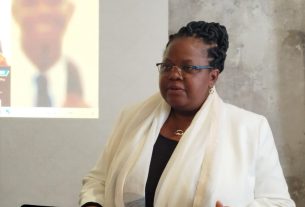
ATAF Executive Secretary Mary Baine said governments must recognise these differences if they are to develop tax systems that promote fairness, inclusion and sustainable economic development.
She explained that women and men often have different income levels, employment opportunities, business ownership patterns, unpaid care responsibilities, access to productive assets and social protection, all of which influence how they experience taxation.
According to Baine, understanding these realities allows governments to design tax systems that are more equitable and responsive to the needs of all taxpayers rather than assuming that one approach works equally for everyone.
The research further highlights that stronger evidence is needed to support effective policymaking.
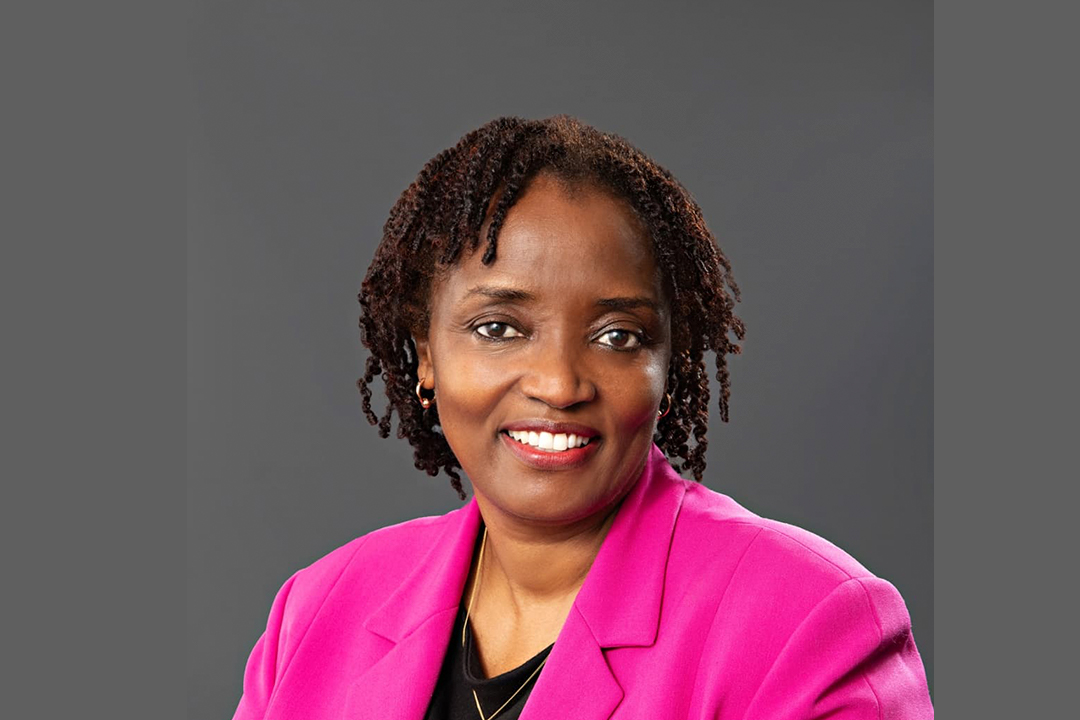
ATAF Women in Tax Network (AWITN) Lead Dr Nthabiseng Debeila stressed that collecting gender-disaggregated data should become a priority for governments seeking to reduce inequality through fiscal policy.
She said reliable data enables policymakers to identify hidden inequalities, evaluate the impact of existing tax policies and develop reforms that benefit both women and men more effectively. Without such evidence, governments risk introducing policies that unintentionally widen existing disparities.
To address these challenges, ATAF has developed a comprehensive Good Practice Framework that provides practical guidance for governments and tax administrations across Africa.
The framework recommends five key areas for action:
• Strengthening gender-disaggregated data collection and research.
• Developing gender-responsive tax policies and legislation.
• Increasing awareness and understanding of gender issues within taxation.
• Promoting equal opportunities for women within tax administrations.
• Investing in infrastructure and institutional reforms that support gender equality.
ATAF believes these measures will help create tax systems that not only improve revenue collection but also contribute to broader national development goals by ensuring no section of society is left behind.
The publication draws on surveys conducted among ATAF member countries, consultations with stakeholders and international best practices from Africa and other regions. The result is a practical roadmap designed to help governments modernise their tax systems while advancing gender equality and inclusive economic growth.
The report comes at a time when many African countries are implementing tax reforms to strengthen domestic revenue mobilisation, improve public service delivery and reduce dependence on external financing.
ATAF argues that integrating gender considerations into these reforms will ensure tax systems become not only more efficient but also more equitable, ultimately supporting sustainable development and economic empowerment across the continent.
Courtesy pic