



By Sifiso Nhlabatsi
MANZINI – Traditional leaders have been called upon to play a more active role in protecting widows and orphans from land grabbing and other forms of injustice, as communities work towards strengthening the rights of vulnerable families across the Kingdom.
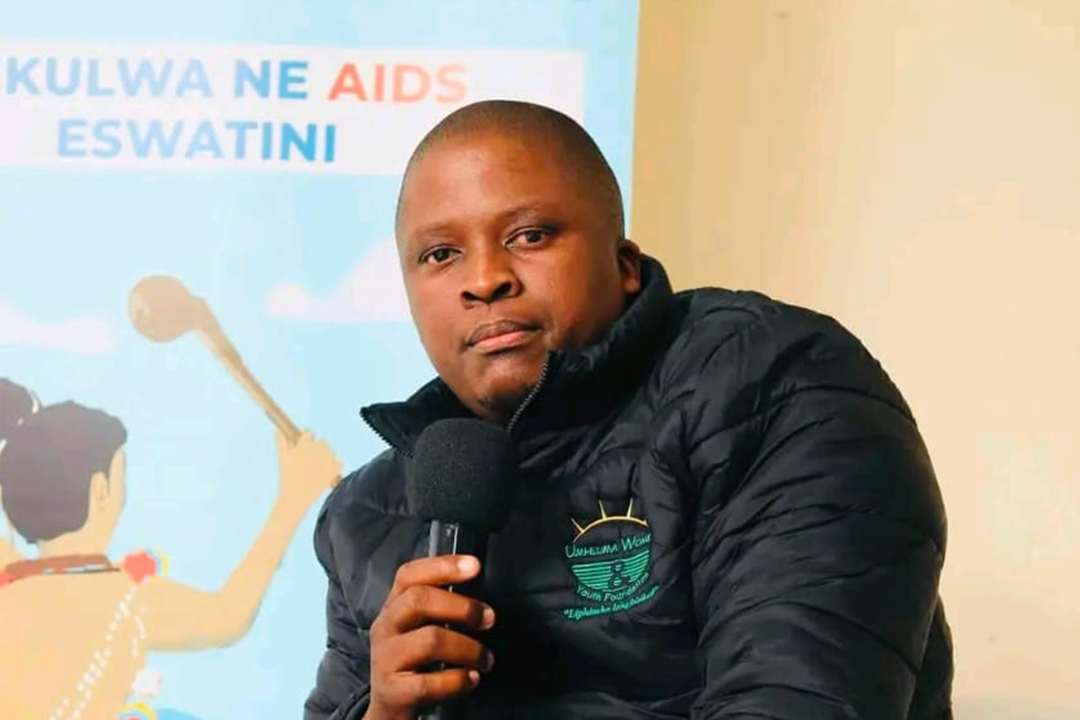
Speaking during the Manzini Region Chiefs Summit 2026, Umhluma Women & Youth Foundation Executive Director Lungelo Zulu said chiefs remained central to ensuring that widows and orphaned children were protected, recognised and treated with dignity within their respective chiefdoms.
Zulu, who represented the organisation at the summit, outlined several key issues affecting widows, with particular emphasis on the continued loss of customary land following the death of a husband.
He said many widows continued to face land grabbing, leaving them and their children vulnerable to poverty and displacement.

According to Zulu, the loss of customary land often has devastating consequences for orphaned children, who are left without land to cultivate or a secure place to call home.
He said protecting widows’ customary land rights should be viewed as protecting the future of entire families and communities.
Zulu also encouraged traditional leaders to strengthen collaboration with organisations working in the area of widow protection by establishing referral mechanisms that would allow cases to be reported early and monitored until they were resolved.
He said stronger referral links between chiefs and civil society organisations would improve case management, while enabling stakeholders to track pending matters and intervene before disputes escalated.
The summit further provided an opportunity to highlight the work of the Umhluma Women & Youth Foundation, an organisation established to advocate for the rights and welfare of widows while promoting the protection of orphaned children. The organisation provides legal advice, counselling, rehabilitation services and social support to widows, while also promoting economic empowerment initiatives aimed at helping them become self-reliant.
Over the years, the foundation has also documented challenges affecting widows through community dialogues, bringing together government, traditional leaders and development partners to find practical solutions. In 2021, the organisation partnered with the United Nations family to commemorate International Widows Day after holding regional consultations that gathered first-hand accounts from widows across Eswatini. Those engagements helped raise awareness of issues such as property grabbing, discrimination and social exclusion experienced by widows.
The organisation has also worked alongside government departments and development partners to engage traditional leaders on preventing violations of the rights of widows and orphaned children. Previous workshops emphasised the important role chiefs play in resolving disputes over property and ensuring that customary practices do not undermine the rights and dignity of widows.
Zulu said meaningful partnerships between chiefs, government institutions and civil society would help create safer communities where widows and orphans could access justice more quickly and live free from fear of dispossession.
The discussions at the Manzini Region Chiefs Summit reflected a shared commitment to building stronger community-based systems that protect vulnerable families while reinforcing the important role of traditional leadership in promoting justice, social harmony and inclusive development


