



BY SIFISO NHLABATSI
MBABANE– The National Emergency Response Council on HIV/AIDS (NERCHA) has warned that the government’s E40 million annual subvention is insufficient to sustain the country’s HIV response, calling for increased domestic funding to protect gains made over the past decade.
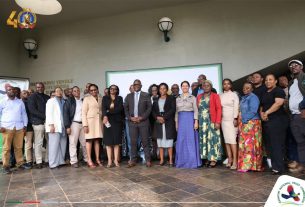
NERCHA made the call during a courtesy engagement with Parliamentary Portfolio Committees, where it presented the findings of the HIV Prevention Indaba and outlined the organisation’s priorities under the 2024–2028 National Strategic Framework (NSF).
The organisation said the government subvention currently accounts for only 12 per cent of NERCHA’s overall funding and was inadequate to meet programme needs, particularly in the area of HIV prevention.
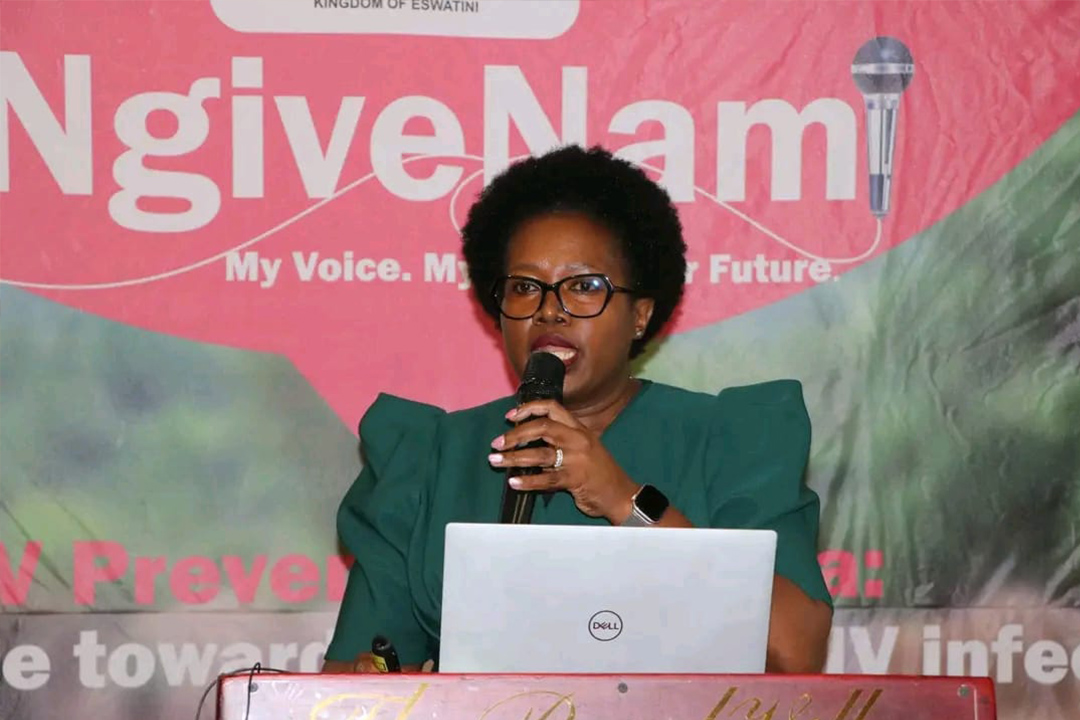
NERCHA’s Dr Nondumiso Nqube, who made the presentation to Members of Parliament, said the country had made significant progress in its HIV response since the second Swaziland HIV Incidence, Mortality and HIV Risk Factors Survey (SHIMS2) conducted in 2016.
However, she said critical gaps remained and could undermine the country’s efforts to achieve HIV epidemic control.
According to the findings presented to Parliament, HIV incidence has declined from 1.13 to 0.62, while awareness of HIV status has increased from 87 per cent to 94 per cent.
Treatment coverage has also improved from 89 per cent to 97 per cent, while viral load suppression prevalence has increased from 91 per cent to 96 per cent.
Despite these gains, NERCHA said there were worrying disparities among certain age groups, particularly young women and men in their twenties and early thirties.
The organisation reported that HIV incidence remained high among adolescent girls and young women (AGYW), with no reduction recorded among women aged 15 to 34.
HIV prevalence among women aged 25 to 29 was more than five times higher than that of their male counterparts, while men in their early thirties had higher HIV prevalence than younger men.
The presentation further showed that the population of people living with HIV was ageing, with 50 per cent HIV prevalence recorded among men and women aged 45 to 49.
More than half of women aged between 35 and 49 were also reported to be living with HIV.
NERCHA identified adherence to antiretroviral therapy (ART) among men aged 25 to 34 as another major concern, standing at 86.8 per cent.
Viral load suppression was lowest among women aged 15 to 24, at 76.1 per cent, and men aged 25 to 34, at 62.9 per cent.
The organisation also raised concern over low uptake of voluntary medical male circumcision, which currently stands at 48 per cent.
Pre-exposure prophylaxis (PrEP) uptake was another area of concern, with 57 per cent of people indicating willingness to use it, but only 11 per cent having ever used the HIV prevention intervention.
NERCHA said these gaps required a more targeted approach to prevention and treatment.
Under the 2024–2028 NSF, the organisation has prioritised optimising HIV testing and linkage services, precision prevention among people at high risk of acquiring HIV, addressing emerging gaps in treatment and care, eliminating structural barriers and strengthening sustainable approaches to the national HIV response.
However, the sustainability of these interventions is threatened by changes in donor financing.
NERCHA told Parliament that Global Fund reprioritisation had resulted in reduced Grant Cycle 7 funding, while resources from the donor are anticipated to decrease further in the medium term.
The organisation said a reduction in Grant Cycle 8 funding had already been communicated by the Global Fund.
Against this backdrop, NERCHA said government would have to increase domestic financing to sustain the HIV response and protect the gains achieved over the past decade.
The organisation further pointed to the new Memorandum of Understanding on health cooperation between the Eswatini Government and the United States Government, which commits government to co-invest in the national response.
NERCHA said Parliament had an important role to play in ensuring that domestic financing was protected and strengthened.
It called on legislators to help sustain community platforms affected by changing donor financing, support the evolution of NERCHA’s mandate as health needs change, keep HIV prevention and vulnerable communities on the national agenda and strengthen oversight of national HIV targets.
As the country moves towards 2030, NERCHA said its approach would be anchored on reaching underserved populations, sustaining domestic ownership, integrating HIV services with other health priorities, adapting its systems and maintaining strong multisectoral coordination.
The organisation stressed that increased government investment was critical if Eswatini was to sustain the progress already made while closing the remaining gaps in the HIV response.
#NERCHA #HIVResponse #HIVPrevention #Eswatini #HIVFunding #GovernmentFunding #HIVAIDS #PublicHealth #Parliament #HIVPreventionIndaba #HealthCare #EndAIDS #Eswatini2030
(Courtesy Pic)