



…Minister says failure to punish wrong doings, vague job roles eroding public trust
BY THEMBA ZWANE
EZULWINI– Government has identified five key imperatives that must guide the transformation of public service institutions across the SADC region, with a strong call for governments to move from policy commitments and conference resolutions to measurable action.
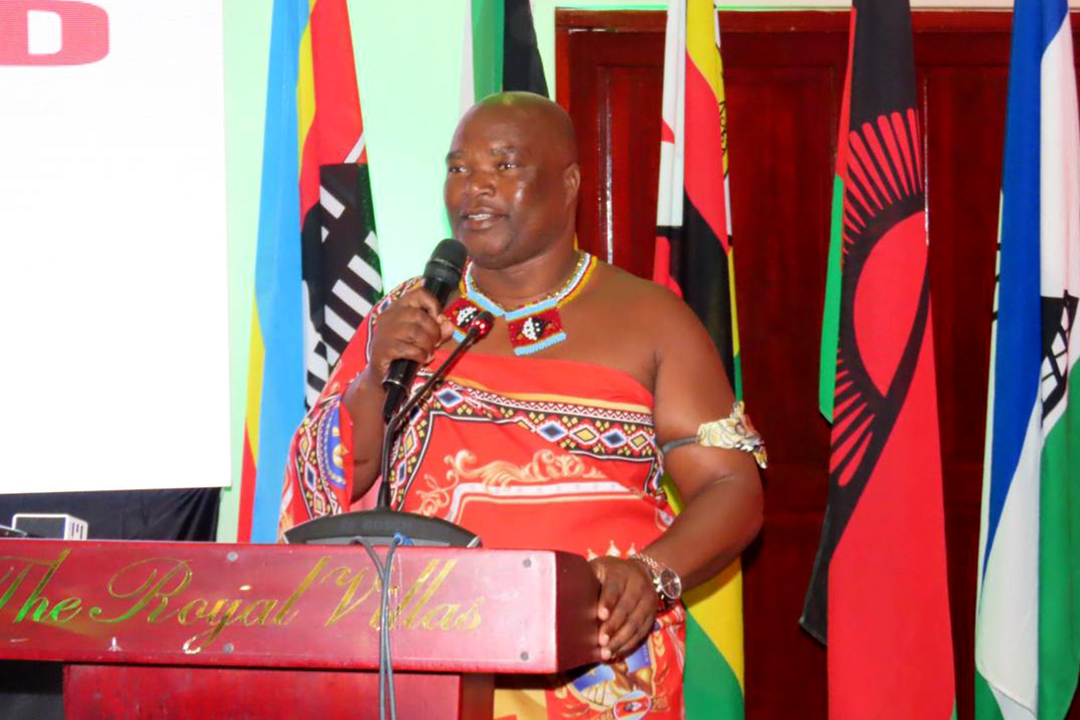
The recommendations were outlined by the Minister of Public Service during the official closing of the 3rd Conference and Annual General Meeting of the SADC Public Service Commissions Forum at the Royal Villas Hotel and Conference in Ezulwini yesterday.
The Minister said the three-day gathering had produced a clear regional diagnosis of the challenges undermining effective public service delivery.
According to the Minister, the problem was not necessarily a lack of accountability frameworks and policies, but the failure to consistently enforce consequences when wrongdoing occurred.
He also identified vague job roles, weak performance tracking and ethical lapses as challenges that continue to erode public trust in public institutions.
With citizens increasingly demanding public services that are responsive to their daily needs, the Minister said the region must commit to five core imperatives to achieve meaningful transformation.
1. RESILIENCE
The first recommendation is the building of strong public institutions capable of withstanding crises and volatile environments.
The Minister said public service institutions must be prepared to continue delivering essential services even when faced with disruptions and changing circumstances.
2. RESPONSIVENESS
The second imperative is responsiveness, requiring public institutions to listen to citizens and act on real-time data.
This would enable governments to better understand the needs of the people and respond more effectively to emerging challenges rather than relying solely on outdated information and processes.
3. CITIZEN-CENTRICITY
Government has also called for public institutions to put citizens at the centre of service delivery.
The Minister said public dignity and the needs of citizens must become central to how public services are designed and delivered.
This approach seeks to shift the focus of public institutions towards the people they are ultimately established to serve.
4. INNOVATION
The fourth recommendation is innovation, with public institutions being urged to modernise their processes and embrace digital tools.
The Minister said transformation would require governments to adapt to technological developments and find new and more efficient ways of delivering services.
5. INTEGRITY AND CONSEQUENCE MANAGEMENT
The fifth imperative focuses on strengthening integrity and consequence management.
The Minister called for the enforcement of ethical standards, the curbing of corruption and the establishment of swift and visible accountability when wrongdoing occurs.
He said institutions could not transform on their own, stressing that people were at the centre of institutional change.
“Institutions do not transform on their own – but people transform them,” the Minister said.
He emphasised that rebuilding public trust required ethical, competent and selfless public servants who regard integrity as a non-negotiable responsibility.
FROM RESOLUTIONS TO ACTION
The Minister said the recommendations should not remain confined to the conference hall, urging delegates to translate the outcomes of the AGM into practical institutional reforms.
He challenged public service leaders to leave Ezulwini with a clear message: “From conference resolutions to institutional revolution; from good intentions to measurable action; and from public service that serves systems to public service that serves people.”
The 3rd Conference and AGM brought together chairpersons and commissioners of Public Service Commissions from SADC member states, alongside representatives of regional and continental institutions and other stakeholders.
The Minister commended the delegates for what he described as three days of candid, constructive and action-oriented deliberations, saying the meeting had strengthened regional collaboration and peer learning.
He also expressed appreciation to the forum’s Interim Chairperson, Professor Somadoda Fikeni, Eswatini CSC Chairperson Simanga Mamba and the organising committee for their roles in ensuring the success of the meeting.
The Minister further encouraged visiting delegates to experience Eswatini’s cultural and economic attractions, including the ongoing Umhlanga Reed Dance and the Eswatini International Trade Fair.
He said the transformation of public service ultimately depended on institutions that were resilient, responsive, citizen-centred, innovative and founded on integrity.
#SADC #PublicService #Eswatini #PublicServiceTransformation #Governance #Accountability #CitizenCentricity #Innovation #Integrity #ConsequenceManagement #PublicServiceDelivery #SADCPSC
(Courtesy Pic)