



BY PHUMELELE GAMEDZE
MBABANE– Ever wondered who decides how much workers should earn in Eswatini? Many people assume the Minister of Labour and Social Security simply announces minimum wages, but the process is far more detailed and involves extensive negotiations between employers and workers.
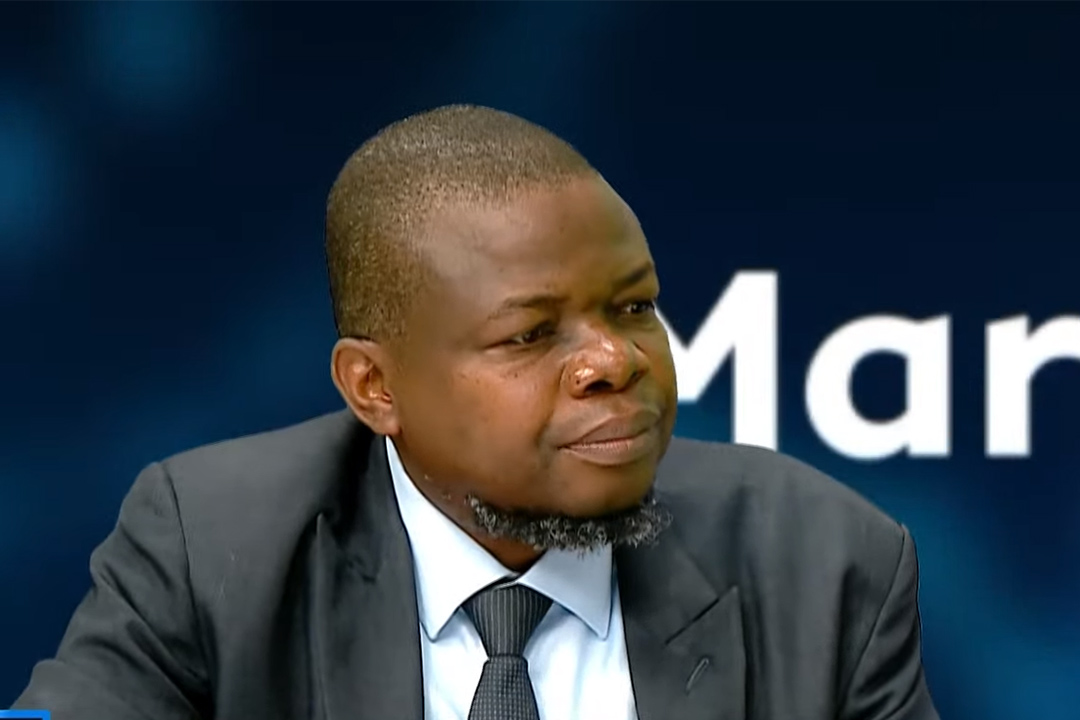
Labour Commissioner Kingdom Mamba has shed light on how the country’s minimum wages are determined, explaining that decisions are made through structured negotiations by Wages Councils, with every proposal backed by evidence and careful consideration of the country’s economic realities.
Speaking during Eswatini TV’s MarketView programme after the official launch of the newly appointed Wages Councils, Mamba said the councils play a vital role in ensuring workers receive fair wages while businesses remain financially sustainable.
He explained that the Wages Councils are established under the Wages Act of 1964 and are responsible for reviewing minimum wages and employment conditions across Eswatini’s 18 regulated sectors. Their work ensures that wage reviews are not arbitrary but are based on consultation, research and consensus.

The Labour Commissioner said each council serves for three years and brings together representatives from employers’ organisations, workers’ organisations, independent members and a chairperson. Trade unions nominate worker representatives who understand the realities facing employees in their respective industries.
According to Mamba, wage determination is a negotiation rather than a one-sided decision. Employers and employees submit proposals, analyse available evidence and negotiate until they reach common ground.
“The process is about give and take,” he said, noting that both sides are expected to negotiate responsibly in pursuit of an outcome that benefits workers while protecting jobs and business growth.
He explained that several economic indicators are carefully examined before any wage recommendation is made. These include inflation, the cost of living, transport costs, accommodation expenses, worker productivity, business sustainability and the overall state of the economy.
By weighing all these factors, the councils seek to strike a balance between improving workers’ livelihoods and ensuring employers can continue operating successfully without placing jobs at risk.
Mamba also clarified that the minimum wage established through the councils represents only the legal minimum. Companies that are financially able are encouraged to pay above the prescribed rates through collective bargaining agreements or by rewarding employees according to their skills, qualifications and experience.
He dismissed the common misconception that the Minister of Labour personally decides wage increases.
Instead, he explained that the Minister’s responsibility is to appoint the Wages Councils and oversee the legal process, while the actual wage figures are negotiated and agreed upon by employer and employee representatives before they are formally gazetted.
Turning to enforcement, Mamba said the Ministry of Labour and Social Security regularly conducts workplace inspections to ensure employers comply with minimum wage regulations. While acknowledging that limited resources can sometimes affect the frequency of inspections, he said the Ministry remains committed to protecting workers’ rights and promoting decent working conditions across the country.
The discussion offered valuable insight into one of the country’s most important labour processes, demonstrating that minimum wage determination is founded on dialogue, evidence and cooperation rather than unilateral decisions. It also highlighted the important role played by employers, workers and government in building a labour market that promotes fairness, economic stability and sustainable growth for Eswatini.
(Courtesy Pic)