


BY LINDELWA MYENI
MBABANE – Young Emaswati have been challenged to stop seeing artificial intelligence as something happening somewhere else in the world and start using it to unlock opportunities beyond the country’s borders.
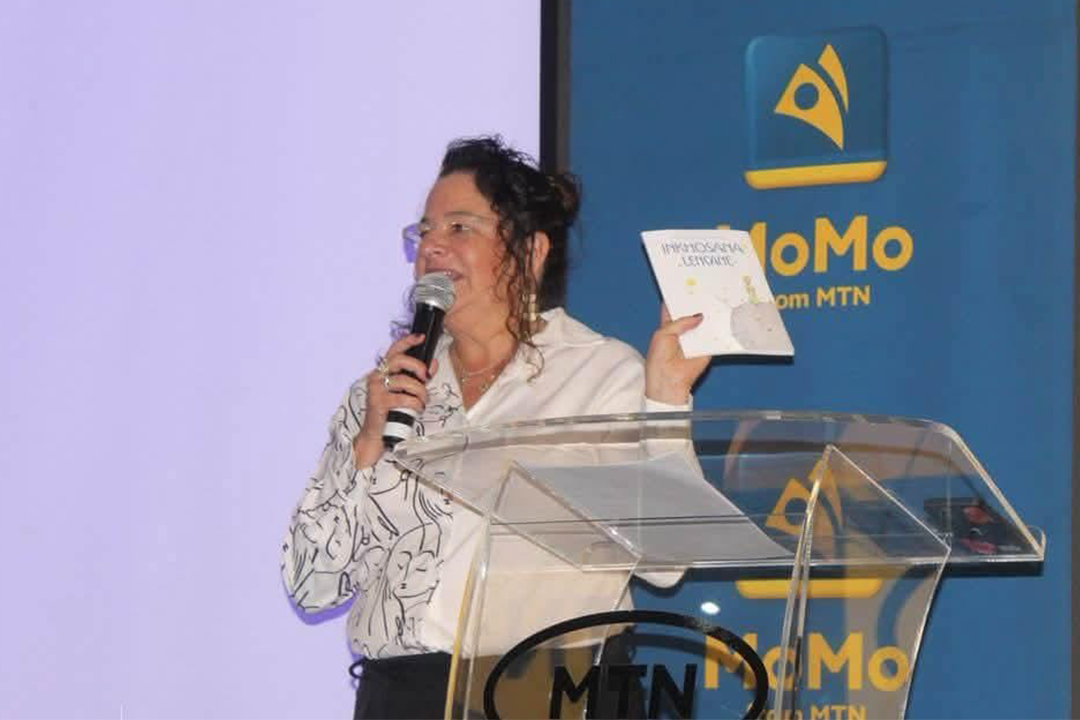
Likusasa Letfu founder Yael Uzan Tidhar says the rapid rise of artificial intelligence (AI) presents young people in Eswatini with an opportunity to compete, create and work in an increasingly digital global economy.
Her warning was equally direct.
“If we don’t speak AI, if we don’t do AI, if we don’t harness it, it will harness us,” Tidhar said during the Kusile Breakfast Show.

She urged young people to familiarise themselves with AI and other digital tools, arguing that technology is rapidly changing how people work, communicate, solve problems and build businesses.
For Tidhar, geography should no longer be seen as an automatic barrier to opportunity.
“It doesn’t matter that you’re in Eswatini. As long as you have good internet, you can do it as well,” she said.
She explained that digital technology can allow young people to reach customers, employers, collaborators and opportunities outside Eswatini without necessarily having to relocate.
However, she cautioned that simply knowing how to operate technology would not be enough.
Tidhar said young people should develop the ability to think critically about problems and understand how AI can be applied in practical situations.
She identified communication, teamwork and critical thinking as skills that will remain important even as technology becomes more advanced.
These human skills, she said, can help young people communicate their ideas clearly, work with others and use technology to develop solutions that respond to real needs.
Tidhar also encouraged young innovators to embrace design thinking — identifying problems, understanding the needs of people affected and then using creativity and technology to develop practical solutions.
Continuous learning, she added, will be critical because the technology young people learn today may change significantly as their careers progress.
Instead of relying on one set of skills acquired at school, university or during training, young people should be prepared to keep learning and adapting as new technologies emerge.
Tidhar compared the current rise of AI to the early growth of the internet, saying those who recognised the opportunities created by the internet early were able to participate in new areas of the economy.
She believes AI is now presenting a similar opening.
Young people who are prepared to learn, experiment and use digital tools responsibly, she said, could position themselves to participate in opportunities that extend far beyond Eswatini.
Her message was that AI should not be treated only as a technological development, but as a practical tool that can help young people improve their work, develop ideas and tackle challenges within their communities.
By combining AI with creativity, critical thinking, communication and other modern workplace skills, Tidhar said young Emaswati could build meaningful careers while contributing solutions to local problems and participating in the wider digital economy.