



… Mbangweni Royal Residence set for three-day celebration of culture, unity and tradition
BY PHUMELELE GAMEDZE
LUDZIDZINI– His Majesty King Mswati III has summoned Imbali from across the Shiselweni Region to gather at Mbangweni Royal Residence for the Shiselweni Umhlanga, which will take place from 11 to 13 September 2026.
The dates were formally announced by Indvuna yembali Vivane Hlatjwako at Ludzidzini Royal Residence, setting in motion preparations for the three-day cultural gathering.
The announcement shifts the cultural spotlight to Shiselweni, where hundreds of maidens, traditional leaders, families and communities are expected to converge at Mbangweni for a celebration centred on preserving Eswatini’s rich cultural heritage.
On 11 September, each participating maiden is expected to arrive carrying her own umhlanga, marking the beginning of activities at the royal residence.

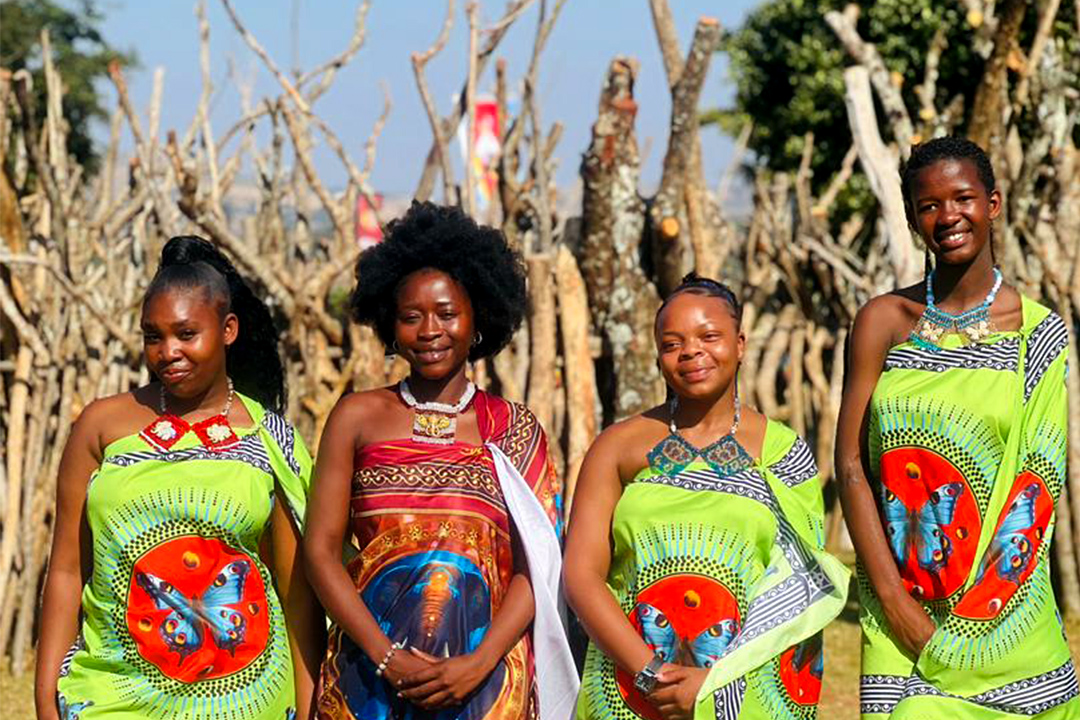
The sight of maidens arriving from different chiefdoms carrying reeds is expected to transform Mbangweni into a vibrant cultural hub filled with traditional songs, colourful attire and the distinctive spirit associated with Umhlanga.
For the participating Imbali, however, the gathering will be about far more than singing, dancing and colourful traditional dress.
It will provide young emaSwati with an opportunity to actively take part in a tradition passed down from generation to generation while learning about the customs, discipline and communal values that remain central to Eswatini’s cultural identity.
The Shiselweni Umhlanga will also require strong participation from chiefdoms.
Each chiefdom taking part has been expected to provide eight people — four males and four females — to watch over and support the Imbali during the gathering.
The arrangement demonstrates that responsibility for the welfare and guidance of the maidens does not rest with traditional leaders alone, but is shared by families, communities and traditional structures.
This collective involvement has long been one of the defining characteristics of cultural gatherings in Eswatini, where different generations work together to ensure that young people understand, appreciate and ultimately preserve their heritage.
For many of the young women who will travel to Mbangweni, the occasion will be another opportunity to experience their culture directly rather than merely hearing about it from older generations.
They will walk alongside fellow maidens, interact with traditional leaders and become part of a ceremony that continues to connect present-day emaSwati with generations that came before them.
Beyond its cultural importance, the gathering is also expected to strengthen unity among communities across the Shiselweni Region.
Chiefdoms that may ordinarily be separated by distance and everyday responsibilities will come together around a shared identity, creating an atmosphere of belonging, cooperation and national pride.
Traditional dress, songs and cultural practices are expected to dominate activities as Mbangweni becomes the centre of attention throughout the three days.
The gathering will also provide an opportunity for elders and traditional leaders to pass cultural knowledge to younger generations, helping ensure that customs remain living practices rather than traditions remembered only through history.
As preparations gather momentum, participating chiefdoms are expected to organise their delegations while maidens prepare for the journey to Mbangweni.
Excitement is expected to grow across Shiselweni as the September 11 opening date approaches.
For families, the gathering represents a moment of pride as daughters and relatives take part in one of the country’s most recognisable cultural traditions.
For the maidens themselves, it represents belonging, participation and the responsibility of carrying forward a heritage inherited from previous generations.
From 11 to 13 September, Mbangweni Royal Residence is therefore expected to become more than a venue for a cultural ceremony.
It will become a meeting place for generations, a celebration of identity and a powerful demonstration that Eswatini’s cultural heritage continues to live through its young people.