
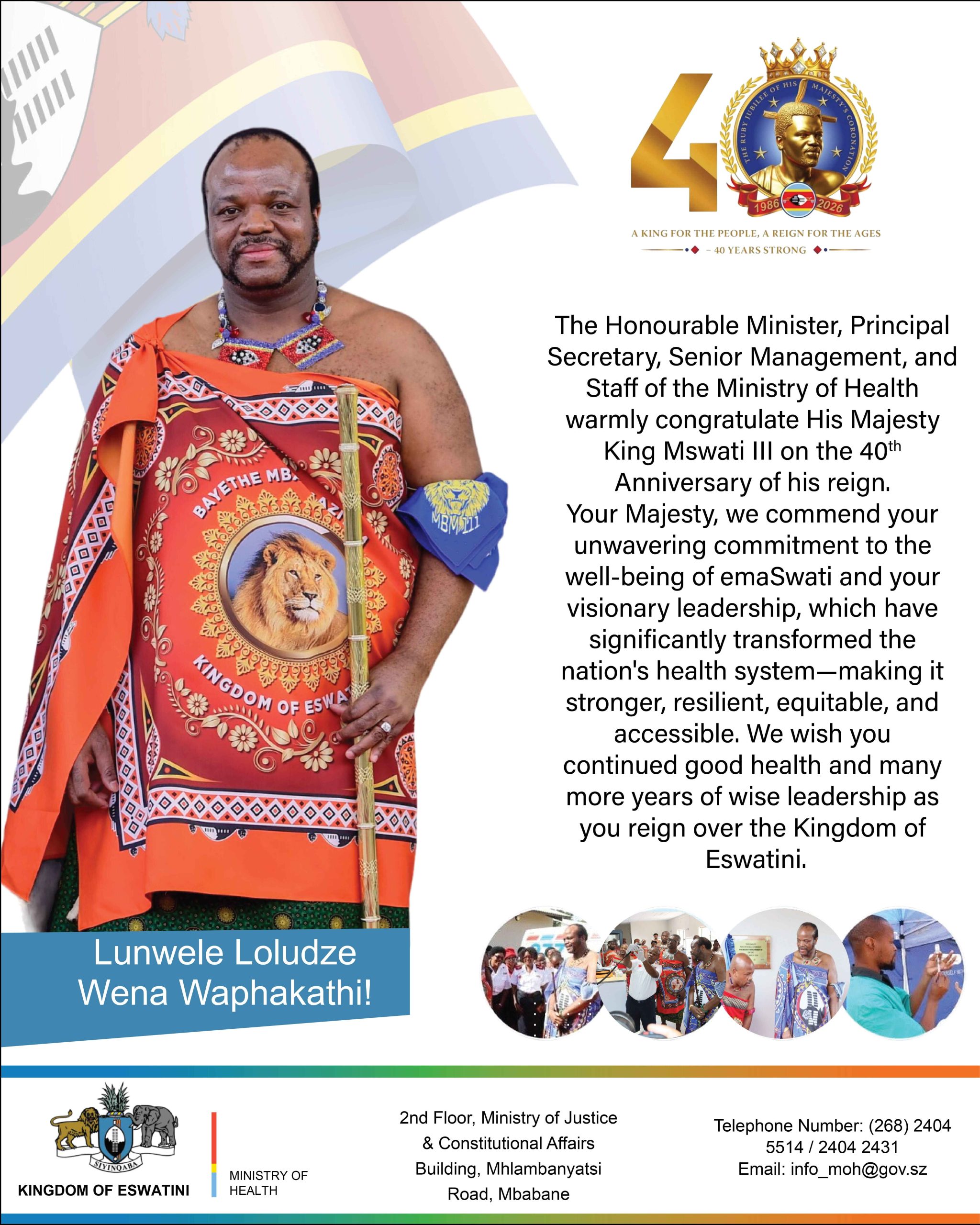
“As the Monarch of the Kingdom, one recalls when I ascended to the throne in 1986, the social and economic landscape was far different from what it is today. We have undergone a profound transformation as a nation.” His Majesty King Mswati III, Speech from the Throne 2026. These words ring true for the health sector of this great nation, the Kingdom of Eswatini, which has undergone drastic transformation in the past 40 years, despite recent challenges faced.
Despite various challenges, Eswatini’s health sector has gotten stronger and resilient, ensuring that emaSwati get to enjoy affordable, equitable and accessible healthcare. For this, the Ministry of Health extends great appreciation to His Majesty for his transformative visionary leadership which has resulted in great improvement to Eswatini’s public health sector, consequently leading to the nation’s improved life expectancy, from 32 to 65 years over the past four decades of his reign. Bayethe! Wena Waphakathi!
Under His Majesty’s guidance, the health sector has seen an increase to the package of health services offered in public health facilities; construction of more and top range health facilities to cover most of the country; use of innovative diagnostic, treatment, and preventive interventions; decentralisation of many services, bringing them closer to people in most communities; among other notable growth signals. Most importantly, Eswatini has been able to effectively deal with all emerging epidemics and pandemics, with the achievements in the fight against HIV/AIDS highlighting the country on the map, drawing regional, continental and global accolades.
Health Budget
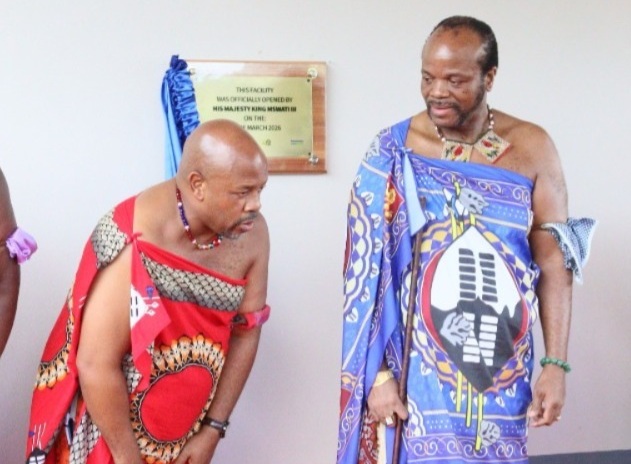
While delivering the Speech from the Throne in February, His Majesty said, “A productive nation is a healthy nation. Achieving a healthy nation is an enormous task.” Indeed, Government has had to and continues to invest heavily in improving healthcare for the betterment of all emaSwati. The Ministry of Health has been receiving a sizeable share of the national budget, especially in recent financial years, which has enabled it to grow and transform. Importantly, Eswatini’s budget allocation for health is very close to reaching the 15% benchmark desired for states within the East, Central, and Southern Africa (ECSA) region, currently standing at 13% of the national budget. This is a result of His Majesty’s push for better healthcare in Eswatini, showing that he is truly an advocate for better healthcare in Eswatini. Finances drive healthcare, and an adequately financed health sector becomes stronger, resilient, and better, leading to better health outcomes.
Health Services
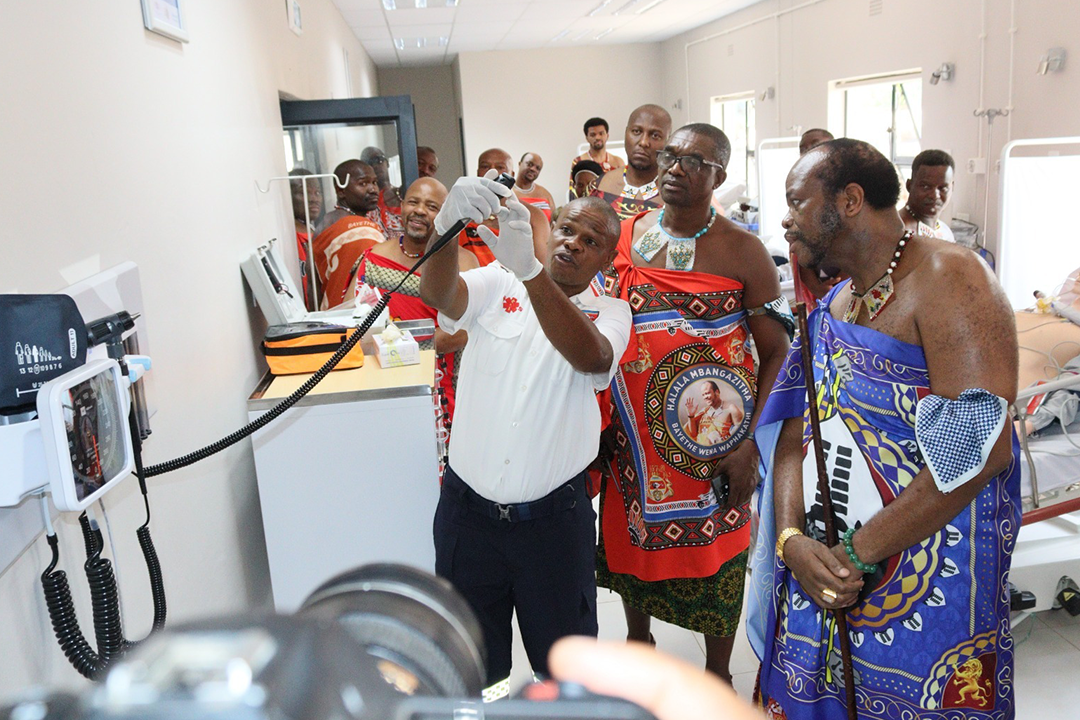
In the King’s 40 years on the throne, Eswatini has seen a notable increase in the number of public health facilities (clinics, health centres and hospitals). Provision of primary and tertiary healthcare services has greatly improved since 1986, with government currently operating about 120 fully funded facilities nationwide, with 104 of these being clinics. These clinics bring services closer to communities to lessen the cost burden of accessing essential primary care. Also, bigger and better clinic structures are now constructed, while some old facilities have undergone renovations to improve the standard of care by ensuring that they are at a standard to accommodate the increase in services offered at this level of care. Mbabane Government Hospital for example, now has a new Outpatient Department building, Neonatal ICU, and the Referral and Emergency Complex which houses theatres of global standard.
Meanwhile, new and improved services have been introduced in public facilities, including specialist services, while there also have been provisions made to have emaSwati access services that are beyond the scope of local hospitals, both public and private. Some of the services which have been introduced during His Majesty’s reign so far include Oncology (cancer diagnosis and treatment), Urology, Renal Dialysis, Radiology, Intensive Care Units, Neonatal ICU, Eye Clinic, HIV testing, treatment (ART) and prevention, among others. Worth noting is that most of the essential services have been decentralised to be provided in regional hospitals, health centres and clinics.
Importantly, under the leadership of Ingwenyama, two important Funds, Phalala Fund and End Malaria Fund (EMF). Through Phalala Fund, tens of thousands of emaSwatini have accessed specialised medical services at no cost to them, services they otherwise would not afford. The Phalala Fund is reducing rates of death from complications of diseases such as neurological conditions and advanced cancers that require intricate surgical procedures and treatment interventions. While EMF facilitates multisectoral collaboration, mobilises domestic resources and has bolstered the fight for a Malaria-free Eswatini.
Technology Adoption
His Majesty also believes in the adoption and use of technology, and such goes for the health sector which has undergone and continues to undergo digital transformation to improve healthcare. We hail His Majesty’s call to digitalise systems, which improves service delivery in healthcare. The introduction of the Client Management Information System (CMIS) in our facilities means a better experience for clients and health workers, with client data and medical history now readily available at a click of a button, leading to ease of treatment and referrals.
Meanwhile, investment in technologically advanced diagnostic mechanisms for Cervical Cancer and TB has placed Eswatini among the first African countries to bring diagnostic services closer to people without them having to go to health facilities. Government has procured four Cervical Cancer screening trucks, four TB screening trucks equipped with AI assisted diagnostic technology and X-ray machines, operating regionally. These mobile clinics are improving treatment outcomes for these two epidemics by ensuring that they are detected and treated early when they have not reached advanced stages. Through His Majesty’s guidance, these trucks are also availed for use by emaSwatini and tourists during national events, further strengthening healthcare
HIV Battle
Also, HIV prevalence previously placed us atop global statistics and negatively impacted life expectancy, particularly in early 2000s. His Majesty’s visionary leadership has seen the country implement various strategies to turn around this situation, adopting treatment and prevention interventions which have exponentially increased life expectancy from 44.5 in 2006 to over 60 currently. Eswatini has become a benchmark for other countries in the battle to end AIDS, the first country in the world to hit the UNAIDS 95-95-95 global HIV target, which has now been surpassed.
The Ingwenyama forged relations with international organisations and other states, making it possible for Eswatini to receive technical and financial assistance to strengthen and accelerate the fight against HIV/AIDS. EmaSwati living with HIV were put on antiretroviral treatment (ART), ensuring that they would live longer healthy lives through the provision of this life-prolonging medication. Standing out as one of Eswatini’s most notable achievements is the prevention of mother-to-child transmission of HIV, known as PMTCT. Through rapid scale-up of PMTCT services, integration into maternal and child health programs, and adoption of WHO-recommended strategies, the country has achieved:
- A reduction in MTCT rate to 1.34%.
- HIV-free survival of 95.9% among HIV-exposed infants.
These outcomes demonstrate that Eswatini is closer to eliminating mother-to-child transmission, ensuring healthier futures for children and families, consequently a brighter and prosperous future for Eswatini.
Meanwhile over the years in the past two decades, Eswatini has been quick to adopt and introduce more HIV prevention interventions, including PrEP tablets, PrEP ring, and most recently the long-acting injectable PrEP options, Cabotegravir (CAB-LA) and Lenacapavir (Len).
King’s Advocacy
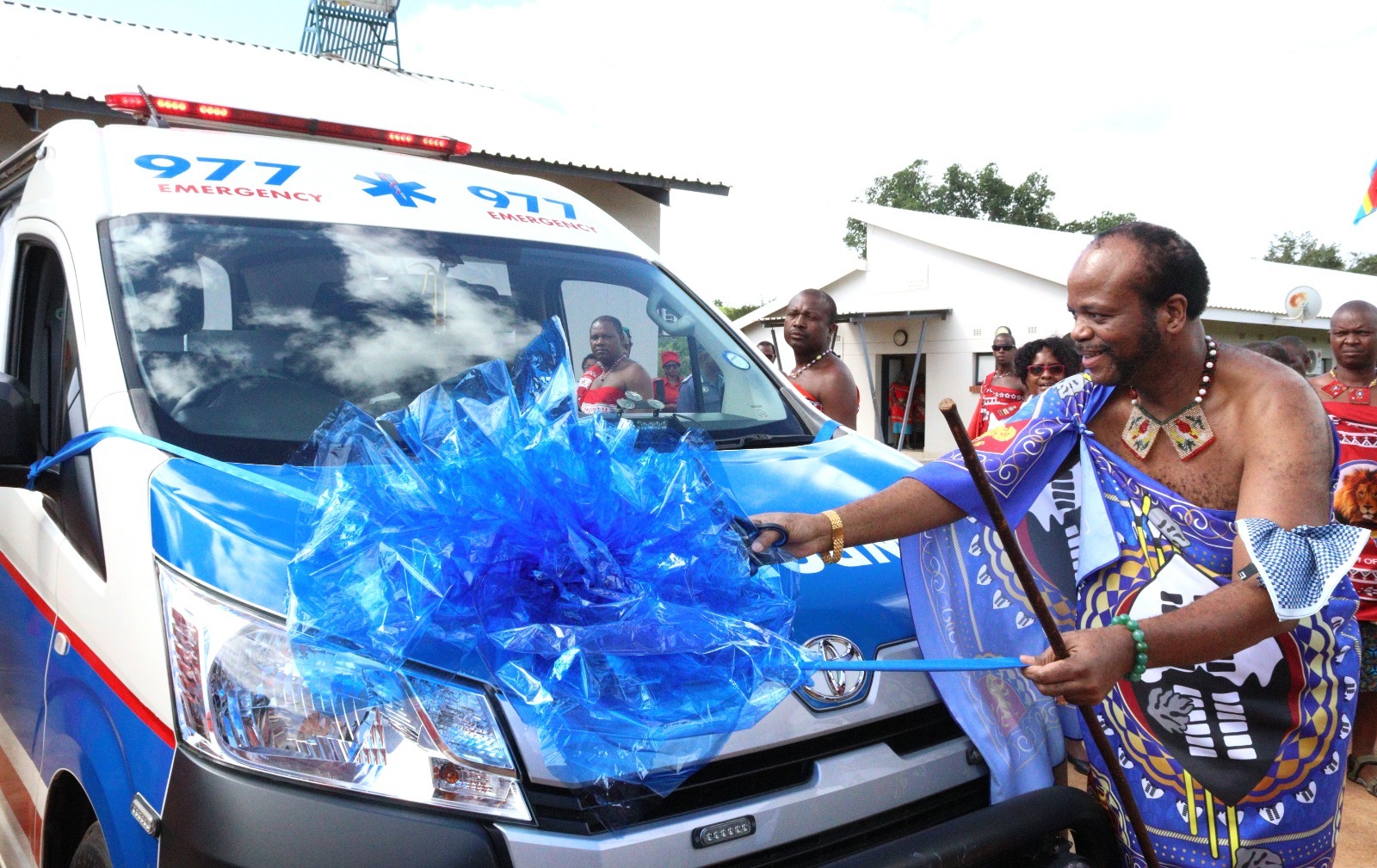
The Ministry would like to hail His Majesty’s advocacy for responsible use of HIV prevention interventions, especially among the youth. At every opportunity, His Majesty continues to urge the nation to protect themselves from HIV so as to avoid new HIV cases as we continue to push towards the national objective of an AID-free Eswatini by 2030. This demonstrates his agape love for emaSwati, desire for a healthy, prosperous Eswatini and his futuristic thinking as the youth is Eswatini’s future.
His Majesty is not just an advocate for HIV-prevention; he promotes better healthcare service delivery, always emphasising the need for health workers to do all in their means to save lives of emaSwati, serving them with utmost care. Through his continued guidance, Eswatini’s health sector will continue to blossom to become a beacon of hope and benchmark for other states within the SADC region and the continent. As the Ministry of Health, we wish His Majesty a longer reign. Lunwele Loludze Silos’khulu! Bayethe! Wena Waphakathi!