


BY TANDZILE DLAMINI
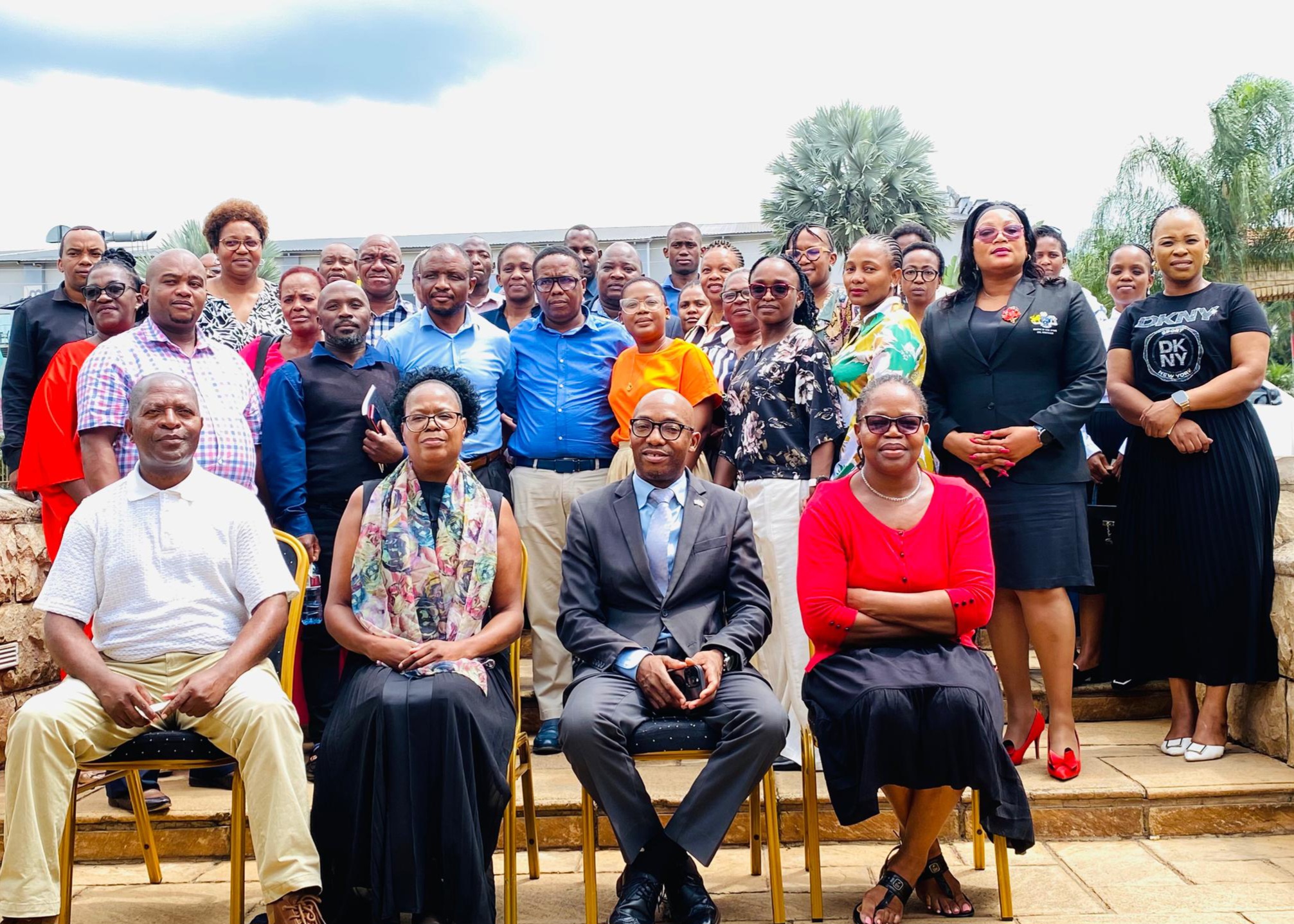
EZULWINI – Key stakeholders from government, academia, civil society and the private sector gathered at the Happy Valley Hotel on 24 February 2026 for a consultative workshop on regulations under the Eswatini National Archives and Records Service (ENARS) Act No. 6 of 2023.
The workshop was officially opened by Senani Khumalo, representing Prince Mshishimba A. S. Dlamini, Principal Secretary in the Ministry of Information, Communications and Technology. It brought together experts to strengthen records management systems and safeguard Eswatini’s public records and documentary heritage.
“Records constitute the bedrock of accountable governance,” Khumalo said. “They document the identity of our institutions, narrate our service to citizens and safeguard the rights of Emaswati. In this era of digital transformation, managing both physical and digital records is no longer merely an administrative task; it is a strategic imperative.”
The draft regulations are intended to operationalise the ENARS Act of 2023, replacing the outdated Archives Act of 1971 and establishing a modern legal framework for managing public records. They focus on safeguarding the country’s documentary heritage for future generations, promoting institutional accountability through transparent access to information and addressing the growing complexities of electronic records management.

Nqoba Msibi, Director of the Eswatini National Archives and Records Service, stressed that the regulations are designed to make the law practical and responsive to technological change.
“The regulations aim to make the law operational, particularly in relation to electronic and digital records. This includes emails, social media content and other government platforms, ensuring that all public information is properly preserved and accessible,” he said.
Participants were encouraged to collaborate in refining the draft to ensure the regulations are practical, inclusive and adaptable across institutions. Discussions centred on aligning standards, supporting digital transformation and guaranteeing equitable access to information for all citizens, including marginalised communities.
Khumalo reiterated that effective records management is integral to national development. “The management of public records is not just an administrative issue; it is a matter of national heritage and accountability. Through these regulations, we can build a future where the history of our nation is preserved, accessible and cherished by all.”
The consultative process marks a significant step towards strengthening governance, enhancing public service delivery and protecting Eswatini’s historical memory.