


BY SIFISO NHLABATSI
MBABANE – Eswatini-owned leather products manufacturer Melane Leather is looking to expand into regional and international markets, including Africa and Europe, following its experience at the Standard Bank Luju Food & Lifestyle Festival.
The company, which participated in the eighth edition of the festival held at House On Fire in Malkerns from August 1 to 2, 2026, says the platform provided valuable exposure to customers, potential business partners and possible export opportunities.
Melane Leather co-founder and Managing Director Dumsile Motsa said the company’s immediate focus was to strengthen its production capacity, expand its product range and reach new markets.
“Our next step is to strengthen our production capacity, expand our product range and reach new markets,” Motsa said.

“We are particularly interested in developing Melane Leather for regional and international markets, including opportunities within Africa and Europe.”
Motsa said the company also intended to participate in more major lifestyle, cultural and trade events to connect with retailers, corporate clients, distributors and potential export partners.
“Our long-term goal is to position Melane Leather as a recognised premium African leather brand that tells the story of Eswatini through quality craftsmanship and contemporary design,” she said.
The Luju experience has provided the company with an opportunity to assess customer interest in its products while strengthening its visibility beyond its traditional market.
Motsa described this year’s Luju Festival experience as very positive and inspiring, saying it allowed the company to showcase locally made leather products to a diverse audience interested in fashion, culture, creativity and craftsmanship.
She said customers showed particular interest in the quality, uniqueness and authenticity of Melane Leather products, with many asking about the source of the leather, how the products were manufactured and what distinguished the brand from imported products.

Among the products that attracted significant attention were laptop bags, handbags, backpacks and tote bags.
“Customers particularly appreciated products that combine functionality with a premium, authentic leather finish,” Motsa said, adding that the company’s executive and business-oriented products also attracted interest from customers seeking professional, durable and distinctive products.
Motsa said Luju created opportunities for the company to establish business contacts and explore potential partnerships.
“We met potential customers, business contacts and people interested in stocking or promoting our products,” she said.
“It also helped us identify potential corporate clients and opened conversations around partnerships and future market opportunities.”
She said such events could result in longer-term business relationships and export opportunities.
The company also said the festival demonstrated a growing appreciation for locally made leather products, particularly when customers had an opportunity to see and feel the quality of the products.
Motsa said customers were interested in the story, craftsmanship and cultural identity behind the products, reinforcing the company’s efforts to position locally manufactured goods as competitive with imported products.
“With the right design, finishing, branding and presentation, an Eswatini-made leather product can compete confidently with imported products,” she said.
The experience also gave Melane Leather an opportunity to gather direct feedback from consumers, which Motsa said would inform product development and innovation.
“We learned that customers want more than just a product, they want a story, quality and an experience,” she said.
The company’s plans for expansion are also supported by its growth in production capacity since it began operations in 2016.
According to Motsa, Melane Leather started with one machine and has since grown to five machines.
“The support and exposure we have received are helping us build the systems, skills and market connections needed to increase production and respond to larger opportunities,” she said.
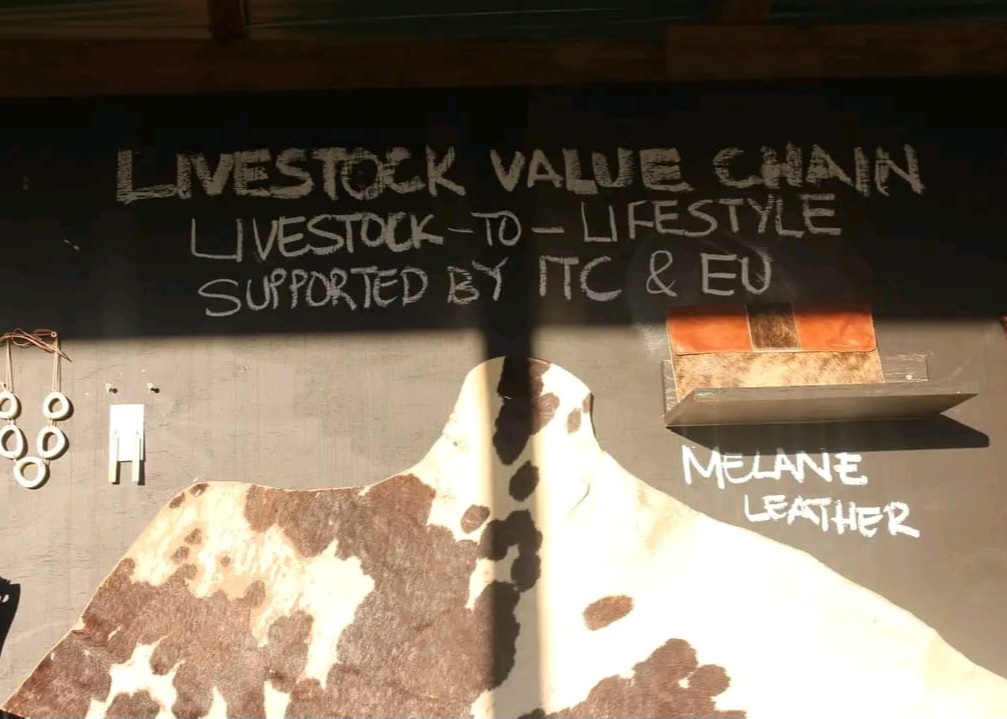
Melane Leather is among businesses supported through an EU-backed initiative, which Motsa said had contributed significantly to the company’s development and its efforts to become a competitive, market-ready brand.
She said the support had helped the company focus not only on production but also on market access, branding, business development, quality and export readiness.
The support had also improved the company’s approach to branding, marketing, product presentation and market access, while exposing it to opportunities beyond its traditional market.
“This has encouraged us to improve our production systems and prepare the business for larger orders and more demanding markets,” Motsa said.
The Luju Festival, an annual two-day food and lifestyle event at House On Fire, brings together culinary experiences, fashion, music, culture and creative design. Its eighth edition was held under the theme “A Return to the African Future” and included initiatives aimed at supporting small-business growth, the creative economy and cultural tourism.
#MelaneLeather #MadeInEswatini #EswatiniBrands #AfricanLeather #LeatherCraftsmanship #BuyLocal #ProudlyEswatini #LujuFestival #Luju2026 #AfricanFashion #CreativeEconomy #LocalBusiness #ExportReady #AfricanBrands