



BY NOMTHANDAZO MAYISELA (INTERN)
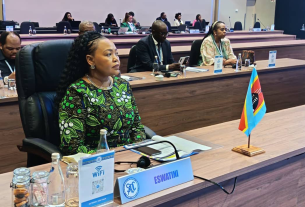
UGANDA – Hope for stronger food systems and better protection for farmers facing climate change challenges emerged during a regional agricultural workshop that brought together African experts, researchers and development partners in Uganda.
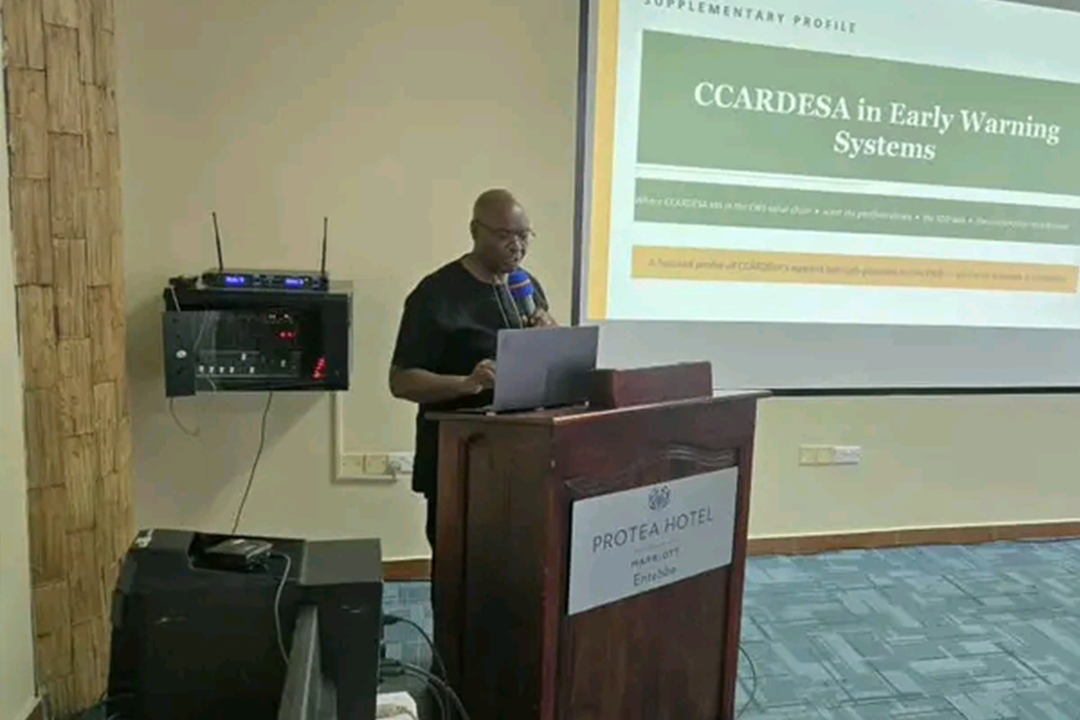
The Centre for Coordination of Agricultural Research and Development for Southern Africa (CCARDESA) participated in the FS-CAP Regional Study Validation Workshop held at Protea Entebbe from May 11 to 14, 2026. The gathering focused on validating a regional investment study aimed at strengthening Early Warning Systems, agricultural research, extension services and agrifood trade across Eastern and Southern Africa.
The workshop was commissioned under the World Bank-supported Food Systems Climate Action Programme (FS-CAP), with discussions centred on how African countries can better prepare farmers and communities against droughts, floods, food insecurity, pests and other climate-related threats affecting livelihoods.
For many communities that depend heavily on farming, the discussions reflected a growing urgency to protect both food production and household incomes as climate patterns continue to shift.

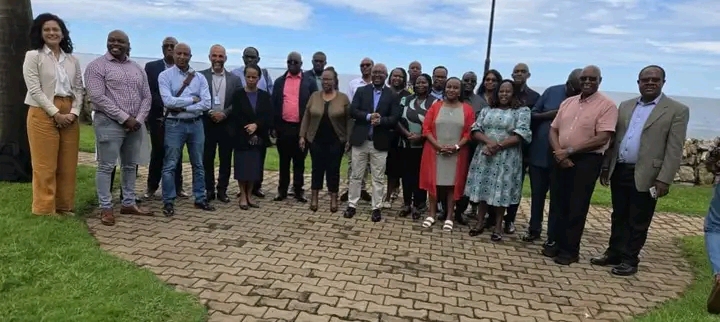
CCARDESA Programmes Coordinator Dr. Majola Mabuza highlighted the importance of regional cooperation in addressing agricultural and environmental challenges that often affect several countries at once. He explained that regional programmes help countries strengthen research systems, share knowledge and pool resources to improve agricultural productivity and resilience.
Experts at the workshop also discussed the increasing role of technology, artificial intelligence and digital systems in helping farmers access climate information, improve planning and prepare for disasters before they occur.
The discussions carry significance for countries such as Eswatini, where many rural families continue relying on agriculture for survival despite recurring droughts and unpredictable weather conditions. Early warning systems and stronger agricultural extension services are seen as important tools in helping farmers adapt to climate change.
Participants further stressed the need for sustainable financing, stronger regional partnerships and increased private-sector involvement to ensure long-term agricultural development across Africa.
The workshop concluded with commitments to strengthen the regional study and use its findings to guide future investments aimed at improving climate resilience, food security and sustainable farming systems throughout the region.
#ClimateChange #FoodSecurity #Agriculture #CCARDESA #Eswatini #ClimateResilience