


BY NOXOLO DLAMINI
PIGG’S PEAK – Men have been urged to play a more active role in early childhood development and nutrition as stakeholders gathered in Eswatini for the 16th East, Central And Southern Africa Health Community (Ecsa-Hc) Best Practices Forum (Bpf).
Held from 5–7 August 2026 in the Kingdom of Eswatini, the forum provided a platform for health and development practitioners from across the region to share experiences, strategies and best practices aimed at improving the well-being of children and communities.
One of the key presentations focused on the importance of involving men in matters traditionally viewed as primarily the responsibility of women, particularly early childhood development and child nutrition.
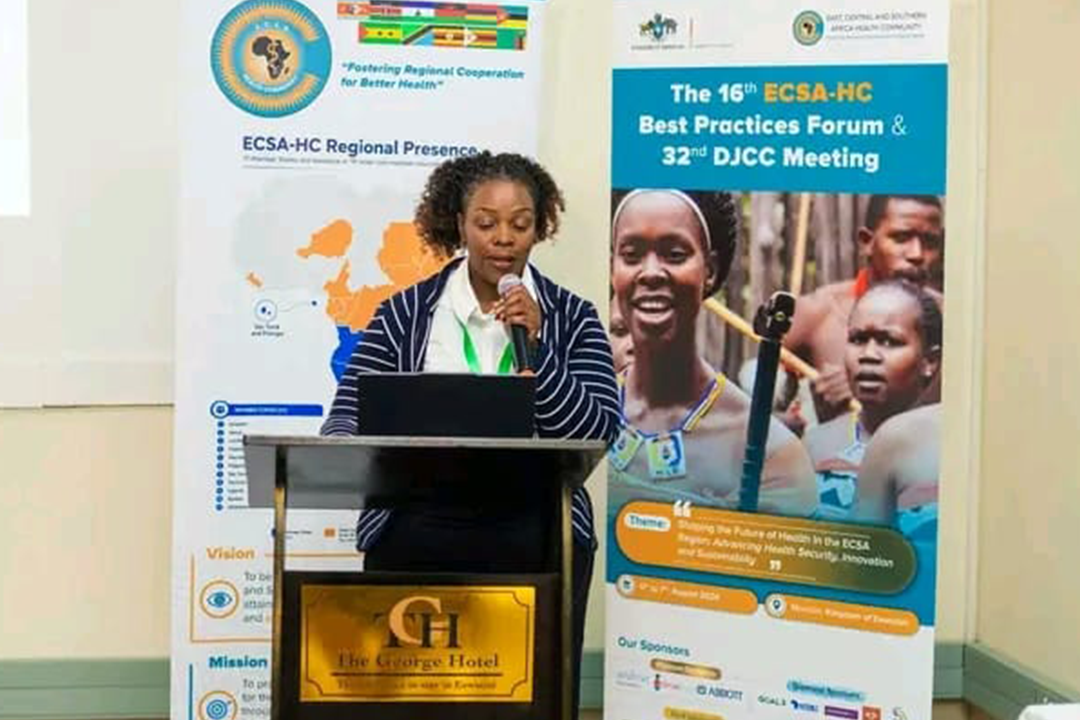
Siniketiwe Zwane, Head of Programmes at the Eswatini National Nutrition Council, shared insights from her abstract presentation titled “Breaking Barriers: Culturally Tailored Male Engagement For Early Childhood Development And Nutrition In Eswatini.”

The presentation highlighted the need for culturally responsive approaches that encourage men to become more involved in the growth, development and nutritional well-being of their children.
Zwane’s presentation demonstrated that meaningful male involvement can go beyond providing financial support. Men can contribute by participating in childcare, supporting healthy feeding practices, attending health services with their children and creating environments where children can grow and develop in a healthy manner.
The approach also recognises that cultural beliefs and social expectations can sometimes influence how men participate in childcare and family nutrition. Addressing these barriers through culturally appropriate interventions can therefore create opportunities for men to become more actively involved.
Greater participation by men has the potential to strengthen families and improve outcomes for children, while also promoting shared responsibility between mothers and fathers.
The discussions at the forum further emphasised that early childhood is a critical stage of development, making investment in nutrition, care and supportive family environments essential for building healthier and more resilient communities.
The 16th ECSA-HC Best Practices Forum therefore served as an important platform for sharing practical solutions and encouraging stakeholders to rethink traditional approaches to child development and nutrition.
The message from the presentation was clear: children’s well-being is a shared responsibility, and men have an important role to play in building a healthier future for the next generation.
#ecsahc #16thbpf #bestpracticesforum #nutrition #earlychildhooddevelopment #maleengagement #eswatini #childhealth #familyhealth