


BY PHESHEYA IAN KUNENE
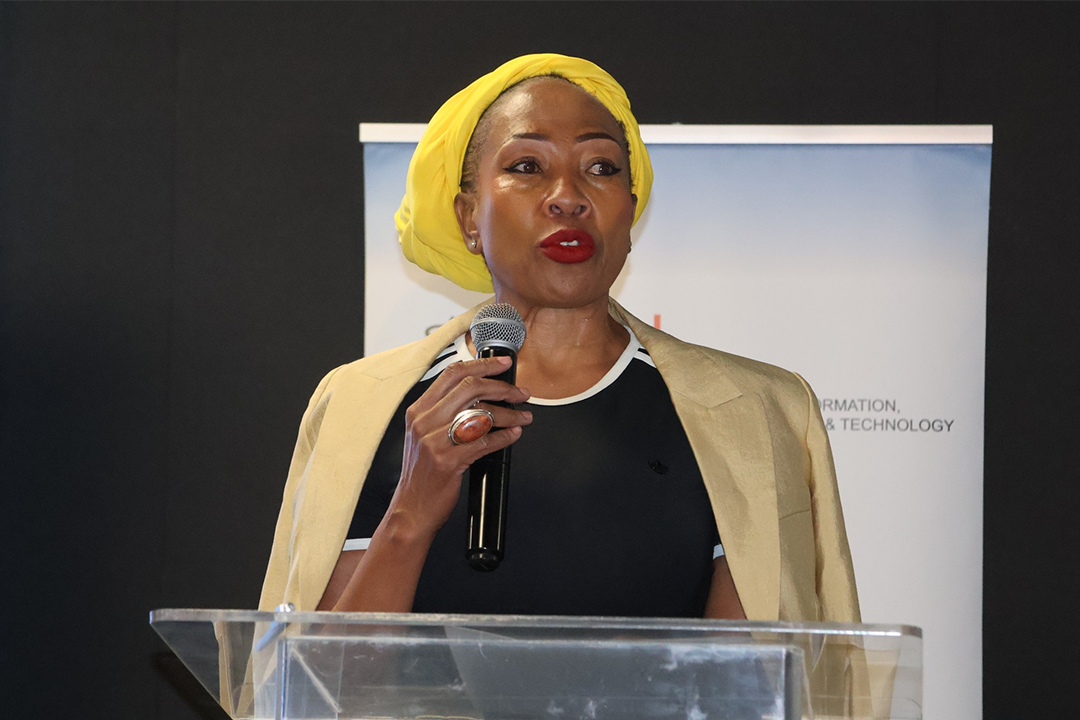
EZULWINI – Minister of Information, Communication and Technology Senator Savannah Maziya has urged SADC Member States to urgently develop strong, inclusive broadband policies to secure the region’s digital future.
Delivering her keynote address during the SADC Broadband Development and Targets 2030 Workshop — hosted at Happy Valley Hotel in Ezulwini — Maziya, represented by ICT Under Secretary Macanjana Motsa, said meaningful broadband deployment required deliberate action.
“Broadband is the lifeblood of modern economies. But meaningful deployment requires deliberate policy, sustained investment, and data-driven action. We cannot manage what we do not measure,” she said.
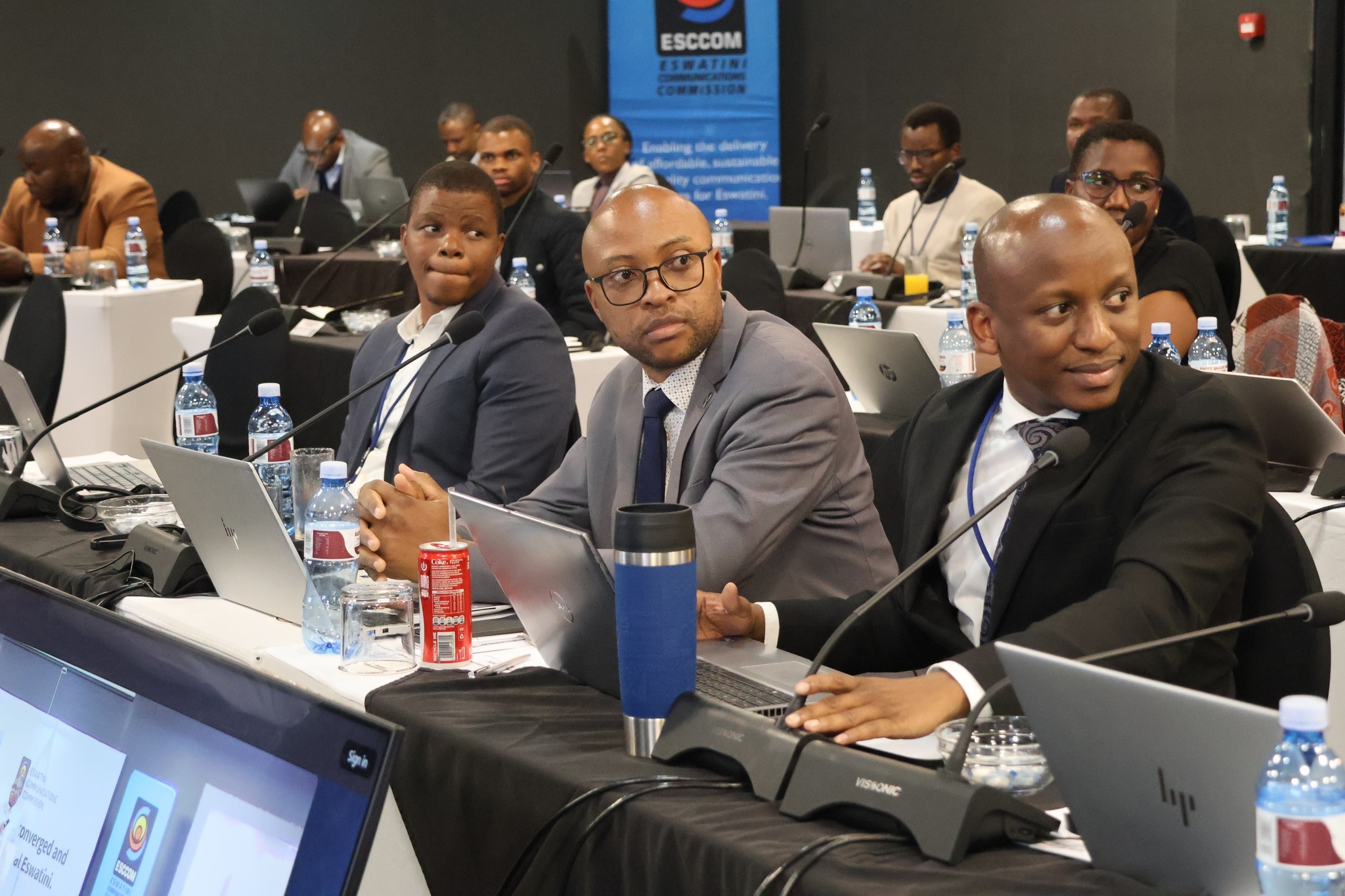
The two-day workshop brings together national regulators, ICT ministries, private sector leaders, infrastructure experts and global organisations including the International Telecommunication Union (ITU), GSMA, CRASA and the SADC Secretariat. The goal is to set clear regional broadband development targets to be achieved by 2030.

“National broadband policies are critical. They signal intent, coordinated action, and provide the regulatory certainty that investors and operators need. As SADC Member States, we must continue to refine our national frameworks to prioritise inclusivity, sustainability, and innovation,’’ added Minister Maziya.
Eswatini Communications Commission (ESCCOM) Chief Executive Mvilawemphi Dlamini said broadband had a direct link to national prosperity.
“Research consistently confirms that increases in broadband penetration correlate with higher productivity, innovation, and inclusive economic growth. But for that to be realised across our region, we must accelerate the deployment of affordable, high-quality broadband infrastructure and services,” he said.
The workshop agenda includes policy dialogue, data strategy sessions, and the development of inclusive tracking systems. Topics under discussion include building a fully connected and digital Africa, digital inclusion and affordability for all, and strategies for data collection to track progress on universal access and service.
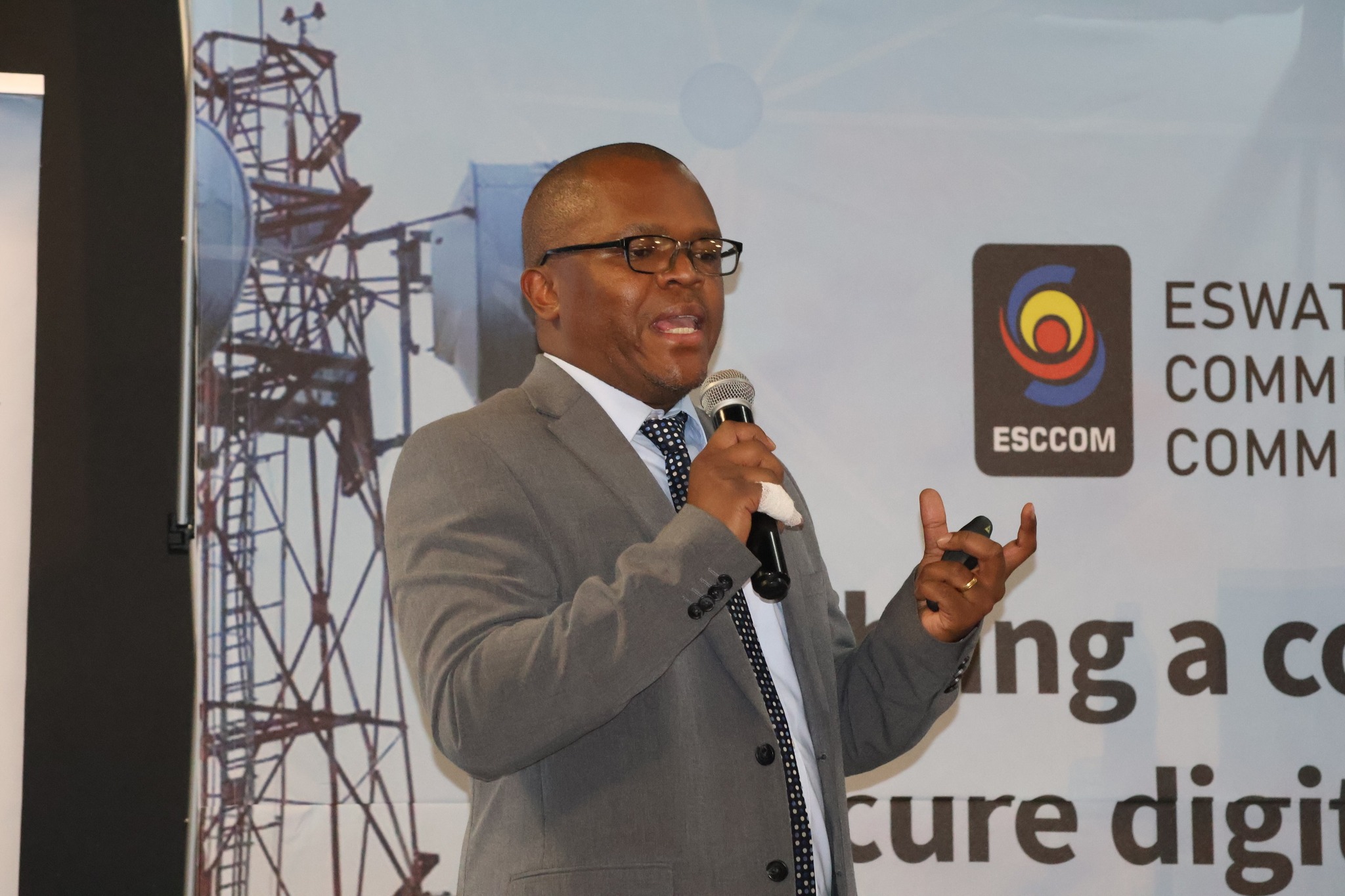
CRASA Acting Executive Secretary Brian Mwansa said broadband was not a luxury but a development imperative. “By connecting people and businesses to vital information and services, broadband creates opportunities for innovation, education, healthcare access, and overall improved quality of life,” he said.
Chairperson of the SADC and Universal Access and Service Committee Tichafa Rixon Mujuru, who is also representing Zimbabwe, stressed that broadband targets must reflect real-life needs.
“This exercise is more than numbers and definitions. It’s about ensuring that a student in a rural village, a small-business owner in a township, and a start-up founder in an urban centre all enjoy the same digital opportunities,” said Mujuru.
The workshop, which ends today, is expected to result in a regional framework of measurable, inclusive broadband goals that reflect both national contexts and shared regional ambitions.