


BY LINDELWA MYENI
MBABANE– Agriculture Minister Mandla Tshawuka has announced the reopening of livestock imports for breeding and genetic improvement, giving farmers an opportunity to access better-quality cattle, goats and sheep to strengthen local livestock production.
Tshawuka said the reopening would allow farmers to improve the genetic quality of their livestock and could contribute to increased productivity across the sector.
For dairy farmers, the Minister said access to stronger dairy genetics could help address Eswatini’s low milk production and support the development of a more productive local dairy industry.
He further highlighted the importance of improved goat genetics, saying these could contribute to livestock development initiatives being supported by development partners, including the European Union.

The reopening of livestock imports therefore presents an opportunity for farmers to introduce improved genetics into their herds while strengthening the country’s livestock value chains.
However, Tshawuka cautioned farmers that the lifting of the import ban does not mean biosecurity requirements have been removed.
“Lifting the ban does not mean anything goes,” Tshawuka said, stressing the need for farmers to comply with veterinary and biosecurity procedures when importing livestock.
Farmers planning to bring cattle, goats or sheep into Eswatini have been urged to first engage Veterinary Services to establish the permits, health requirements and approved procedures applicable to their intended imports.
The animals must meet prescribed disease-testing and health requirements before they can be imported. Farmers are also required to obtain the necessary documentation before livestock is transported, rather than moving the animals first and completing the paperwork afterwards.
Upon entering Eswatini, imported livestock will be subject to veterinary inspection and movement controls. Farmers must also follow instructions from Veterinary Services regarding testing and monitoring after arrival before introducing the animals into grazing areas, feedlots or existing herds.
These measures are intended to protect Eswatini’s national herd from livestock diseases, particularly Foot-and-Mouth Disease (FMD), which can have serious consequences for farmers, livestock production and agricultural trade.
Recent FMD outbreaks have demonstrated the importance of maintaining strong biosecurity measures, even as farmers are given greater opportunities to access improved livestock genetics.
Tshawuka’s announcement thus creates room for farmers to improve the quality and productivity of their herds while maintaining safeguards against the introduction and spread of livestock diseases.
Farmers interested in importing breeding animals have been encouraged to work closely with Veterinary Services, obtain the necessary clearance, comply with testing requirements and follow all movement procedures before introducing imported livestock into their herds.
#AgribusinessMedia #LivestockFarming #AnimalGenetics #DairyFarming #Biosecurity
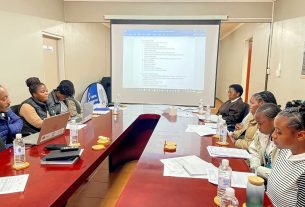
(Courtesy Pic)