


BY SIFISO NHLABATSI
MBABANE – Livestock farmers could soon have a more transparent basis for getting paid for the quality of their animals and livestock products under proposed national grading standards being developed for Eswatini.
The proposed system is expected to reduce reliance on negotiated prices and subjective visual assessments, which have traditionally influenced the value placed on livestock.
Farmers, meat processors and other livestock industry stakeholders gathered at Royal Villas on Wednesday to review and comment on the proposed National Livestock and Carcass Grading Policy.
The development could give farmers greater clarity on how the quality of their animals is assessed and create stronger incentives for them to invest in better livestock production.

The Eswatini Standards Authority (ESWASA) has developed two draft national standards to provide the technical basis for a more consistent grading system.
The first, PRD/SZNS 106:2026 which involves the selection, classification and grading of meat carcass, provides recommended practices for the selection, classification and grading of meat carcasses, excluding poultry.
The second, PRD/SZNS 107:2026 involves leather: raw cattle hides – guidelines for grading on the basis of mass and quality, provides guidelines for grading cattle hides and calf skins according to their mass and quality.
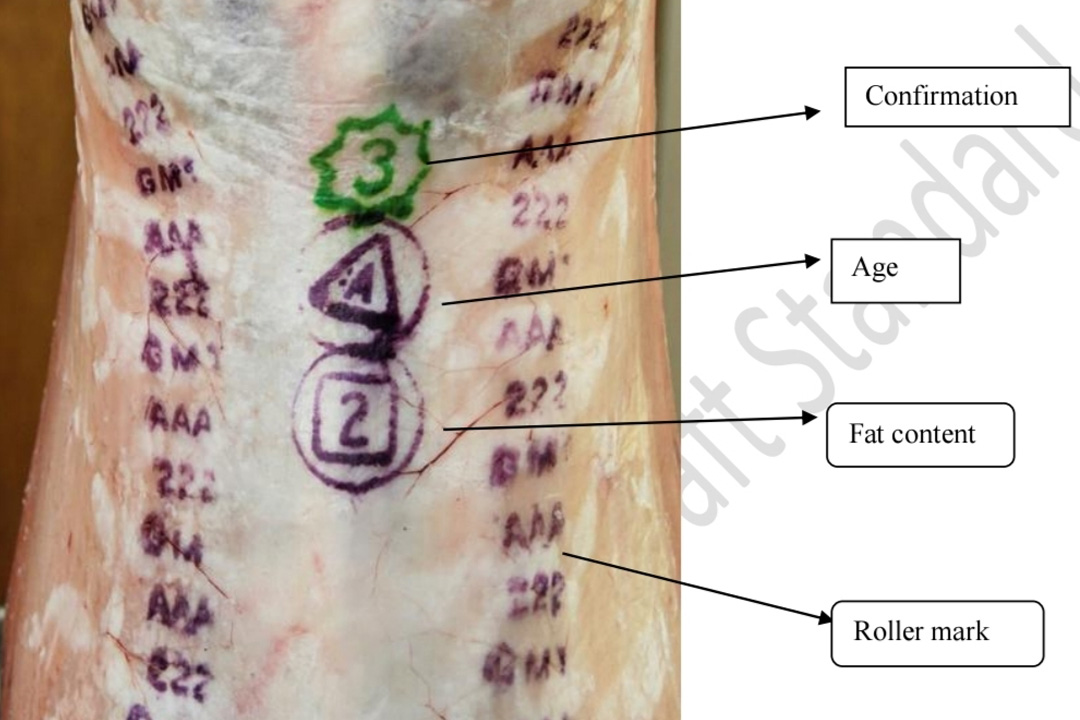
Under the proposed carcass grading standard, carcasses would be assessed using attributes including carcass mass, age and fat content.
The draft standard proposes six fat-content grades, ranging from 0 to 6, while animals would also be classified according to age categories A, AB, B and C.
This means farmers could increasingly have the quality and characteristics of their livestock formally recorded rather than having value determined largely through negotiations and visual assessment.
The proposed standards are intended to establish a common basis for assessing attributes that influence the quality and value of carcasses, hides and skins across the livestock value chain.
ESWASA said consistent grading practices could benefit farmers, abattoirs, retailers and, in future, tanneries by improving transparency and consistency.
The standards will also provide an important technical foundation for the National Livestock Grading Policy currently being developed by the Ministry of Agriculture.
The policy is intended to contribute to improved market transparency, fairer and more consistent valuation, quality-based pricing and stronger incentives for livestock producers to improve the quality of their animals and livestock products.
Stakeholders at yesterday’s engagement included the Ministry of Agriculture, Embiveni Meats, Beef Boys Butchery/Slaghuis, Ministry of Health, Eswatini Competition Commission, Bushland’s Butcheries, individual farmers and feedlot owners, among others.
The European Union in Eswatini is supporting policy development through the Eswatini Livestock Value Chain Development Programme, implemented by the International Trade Centre (ITC).
The draft carcass standard also places emphasis on animal health, welfare and proper handling before slaughter. Animals presented for slaughter should be clinically healthy, pass ante-mortem inspection and not have conditions that could compromise meat quality or food safety.
Only carcasses that pass post-mortem inspection and meet specified hygiene requirements would be eligible for grading.
ESWASA has invited farmers and other stakeholders to submit comments on the draft standards by October 31, 2026.
Comments may be submitted to the ESWASA Information Officer or through the Chief Operations Officer, Eswatini Standards Authority, P.O. Box 1399, Matsapha.
#Eswatini #Livestock #Farmers #ESWASA #Agriculture #LivestockGrading #MeatIndustry #FarmersMarket #EswatiniPositiveNews
(Courtesy Pic)