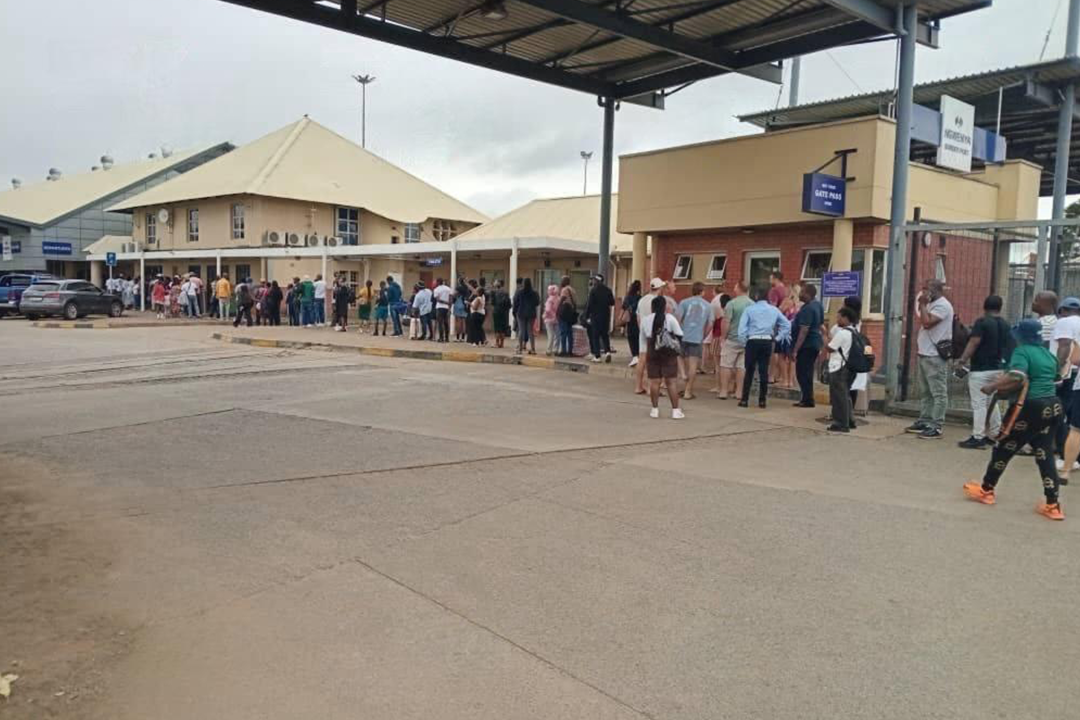



- Emaswati Urged to Submit Declarations Before Travelling
- New SARS Rules Apply at All South African Entry Points
- Passport, Travel and Goods Details Required Online
- Failure to Declare Could Result in Customs Penalties
- Motorists, tourists and business travellers urged to complete online declarations before crossing the border
BY MBONGENI NDLELA
MBABANE – Thousands of Emaswati travelling to South Africa by road, air, rail or sea will soon be required to declare their personal goods and vehicles online before entering or leaving the neighbouring country, following the introduction of a new customs compliance system by the South African Revenue Service (SARS).
The Eswatini Revenue Service (ERS) has issued a public notice informing travellers that from 1 June 2026, the declaration of personal goods, including motor vehicles used for travel, will become compulsory at all South African ports of entry and exit. The measure forms part of South Africa’s customs control procedures and applies to everyone entering or departing the Republic.
According to ERS spokesperson and Director of Communications and Marketing Ntobeko Manana, travellers are encouraged to complete the declaration before commencing their journeys to avoid delays and ensure a smoother border-crossing experience.
NEW DIGITAL SYSTEM INTRODUCED
To facilitate compliance, SARS has introduced the South African Traveller Management System (SATMS), a digital platform that enables travellers to submit customs declarations electronically before arriving at border posts, airports, seaports or railway terminals. The system can be accessed through the SARS website or the SATMS mobile application.

The online platform was developed to modernise customs administration, reduce congestion at ports of entry and strengthen border management through advance risk assessment of travellers and goods. The system allows declarations to be submitted electronically, replacing much of the paperwork traditionally completed upon arrival.
Under South African customs legislation, all travellers must declare goods in their possession, goods carried on behalf of others and certain categories of currency when crossing South Africa’s borders. The legislation also requires the declaration of road vehicles that are temporarily imported into or exported from the country.
VEHICLES MUST ALSO BE DECLARED
One of the major changes affecting many Emaswati is the requirement to declare vehicles entering South Africa.
ERS explained that private vehicles, motorcycles and other motor vehicles used for travel must be declared as temporary imports when entering South Africa and subsequently declared as re-exports when leaving the country.
The SATMS platform specifically requires travellers using private vehicles to provide vehicle registration details as part of the declaration process.
Given the high volume of daily cross-border movement between Eswatini and South Africa, the requirement is expected to affect commuters, holidaymakers, transport operators and business travellers alike.
WHAT INFORMATION MUST TRAVELLERS PROVIDE?
Travellers using the online declaration system will be required to submit a range of personal and travel-related information before arriving at the border.
The declaration includes passport details, nationality, contact information, travel itinerary, destination details and information about travelling companions where applicable. Business travellers may also be required to provide details relating to the organisation they represent.
The system further requires travellers to indicate whether they are carrying goods, commercial items, restricted products, temporary imports, samples, repair items or cash and negotiable instruments above prescribed thresholds.
According to ERS, travellers carrying cash or bearer negotiable instruments equivalent to E25,000 or more must declare those amounts through the system.
FOUR WAYS TO SUBMIT A DECLARATION
SARS has made the declaration service available through multiple channels to accommodate different types of travellers.
Declarations can be completed through:
• The SARS Traveller Declaration webpage;
• QR codes displayed at customs ports of entry and exit;
• The SARS mobile application for eFiling users; and
• The dedicated SATMS mobile application.
Travellers who encounter difficulties accessing the electronic platform may still use a manual traveller declaration form where necessary.
TIMING IS IMPORTANT
ERS advises travellers to submit their declarations before travelling and then report to their chosen port of entry within 24 hours after submitting the declaration.
Once a declaration has been successfully lodged, SARS will issue a notification containing the traveller’s passport number, which will serve as the reference number for authentication during the border-crossing process.
This advance submission is expected to reduce processing times at busy border posts and allow customs officials to conduct targeted inspections where necessary.
CUSTOMS OFFICERS RETAIN INSPECTION POWERS
Despite the introduction of the digital system, customs officials will continue to exercise inspection and verification powers.
SARS states that customs officers may question travellers and inspect goods where required to verify declarations and ensure compliance with customs laws.
Travellers found carrying undeclared goods, prohibited items or currency above allowable thresholds could face penalties or enforcement measures under South African customs legislation.
ERS URGES EARLY PREPARATION
The Eswatini Revenue Service has reminded travellers that the declaration requirement is a South African customs obligation and will apply to all qualifying travellers entering or exiting South Africa from June 1.
The organisation is encouraging Emaswati to familiarise themselves with the new procedures, complete declarations in advance and ensure all travel documents are valid and readily available before departure.
With South Africa remaining Eswatini’s largest trading partner and primary travel destination, authorities believe early compliance with the new digital declaration system will help maintain efficient movement of people and goods across the border while supporting stronger customs administration in the region.